Last updated: October 2026
The EU Anti-Money Laundering Regulation (AMLR) will apply to most obliged entities from 10 July 2027. For Luxembourg financial institutions, the priority is shifting from regulatory assessment to practical implementation.
At a recent event hosted by Cascade and Palana, Luxembourg AML professionals discussed the challenges of implementing the EU AML Package, preparing for AMLA and adapting compliance operations.
The central takeaway: AMLR readiness requires clear ownership, group coordination and the right data and technology infrastructure.
AMLR 2027: What Luxembourg Firms Need to Prepare For
Regulation (EU) 2024/1624 introduces directly applicable AML/CFT requirements across the EU. Meanwhile, the European Anti-Money Laundering Authority (AMLA) is developing technical standards to support a more harmonised regulatory framework.
For Luxembourg banks, investment funds and other obliged entities, implementation priorities include:
- Clear AML governance and responsibilities
- Alignment between local entities and group-level policies
- Risk-based customer due diligence and ongoing monitoring
- Coordination with transfer agents (TAs) and service providers
- Reliable AML/KYC data and technology infrastructure
Firms should begin implementing established requirements while remaining adaptable to forthcoming technical standards.
Three Key Insights from the Cascade and Palana AMLR Event
1. AMLR Implementation Requires Group Coordination
Romain Fourdin, CFA, Director at Palana, highlighted the importance of translating regulatory requirements into operational actions.
For Luxembourg entities operating within international groups, successful implementation depends on early coordination around policies, data ownership, systems and responsibilities.
2. AML Governance Needs Clear Accountability
Anastasia Greco, Head of Regulatory and Governance Services at Alter Domus, emphasised the need to better define roles and responsibilities across compliance teams and departments.
Firms should clarify who owns risk assessments, customer information, monitoring processes and management escalation.
3. AML Technology Must Support Increasing Data Requirements
Declan OhAnnrachain, Co-founder and Managing Director of Cascade, highlighted technology’s growing role in processing and analysing AML and KYC information.
Organisations need to assess whether their existing systems can support data collection, screening, monitoring and evidence of compliance decisions.
Technology and data dependencies should be assessed alongside regulatory gaps, not after them.
AMLR Implementation Checklist for Luxembourg Firms
Six practical actions should guide AMLR preparation:
- Assign accountability: Define programme owners, responsibilities and deadlines.
- Coordinate with group entities: Identify shared policies, systems and dependencies.
- Engage service providers: Align transfer agents and outsourced functions where relevant.
- Convert gaps into actions: Prioritise findings and establish a delivery plan.
- Assess AML data and technology: Identify information gaps, system limitations and required changes.
- Secure resources: Allocate budget, operational capacity and time for testing.
A risk-based implementation plan should reflect each firm’s business model, exposure and regulatory obligations.
AMLR and AMLA: Frequently Asked Questions
When does AMLR apply in Luxembourg?
The AMLR applies from 10 July 2027 to most obliged entities, with limited exceptions applying from July 2029.
Will AMLA directly supervise all Luxembourg financial institutions?
No. AMLA plans to select up to 40 financial institutions or groups in 2027 for direct supervision starting in 2028. Other firms will remain subject to applicable national supervision within the evolving EU framework.
Should firms wait for final AMLA technical standards?
No. Firms can already address governance, operational responsibilities, data gaps and technology dependencies, while monitoring regulatory developments.
What is the role of AML technology in AMLR readiness?
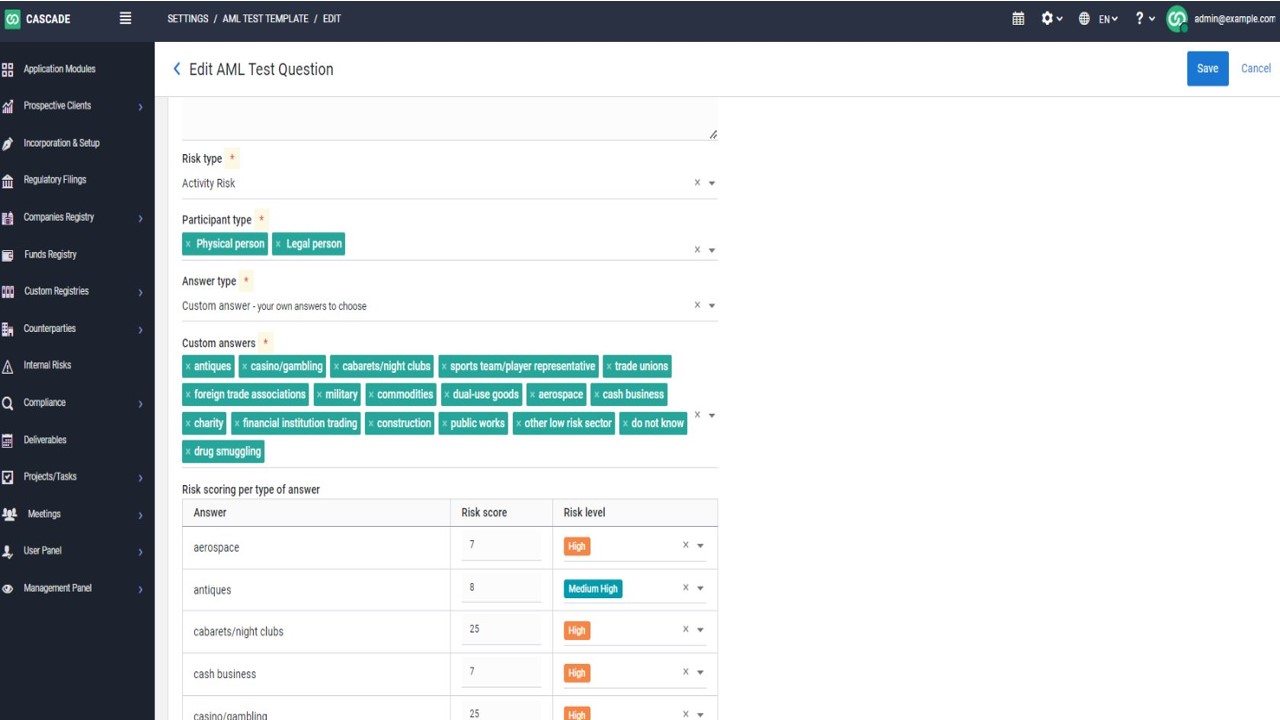
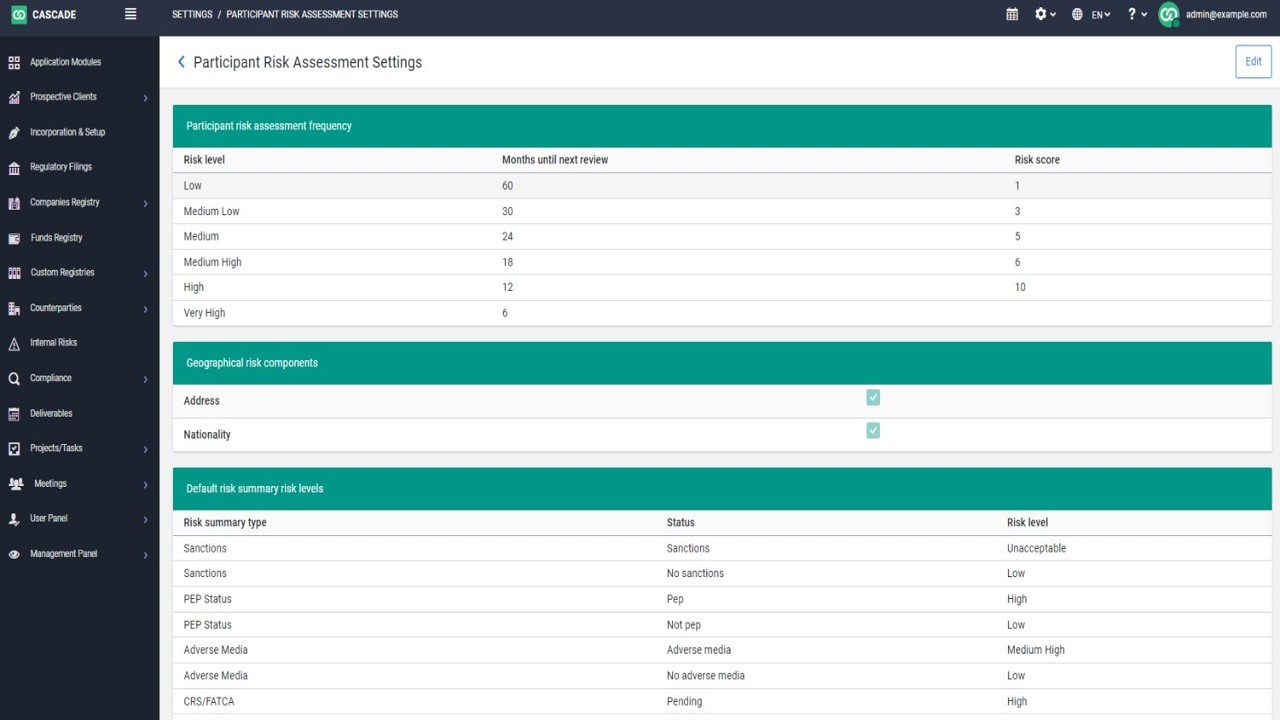
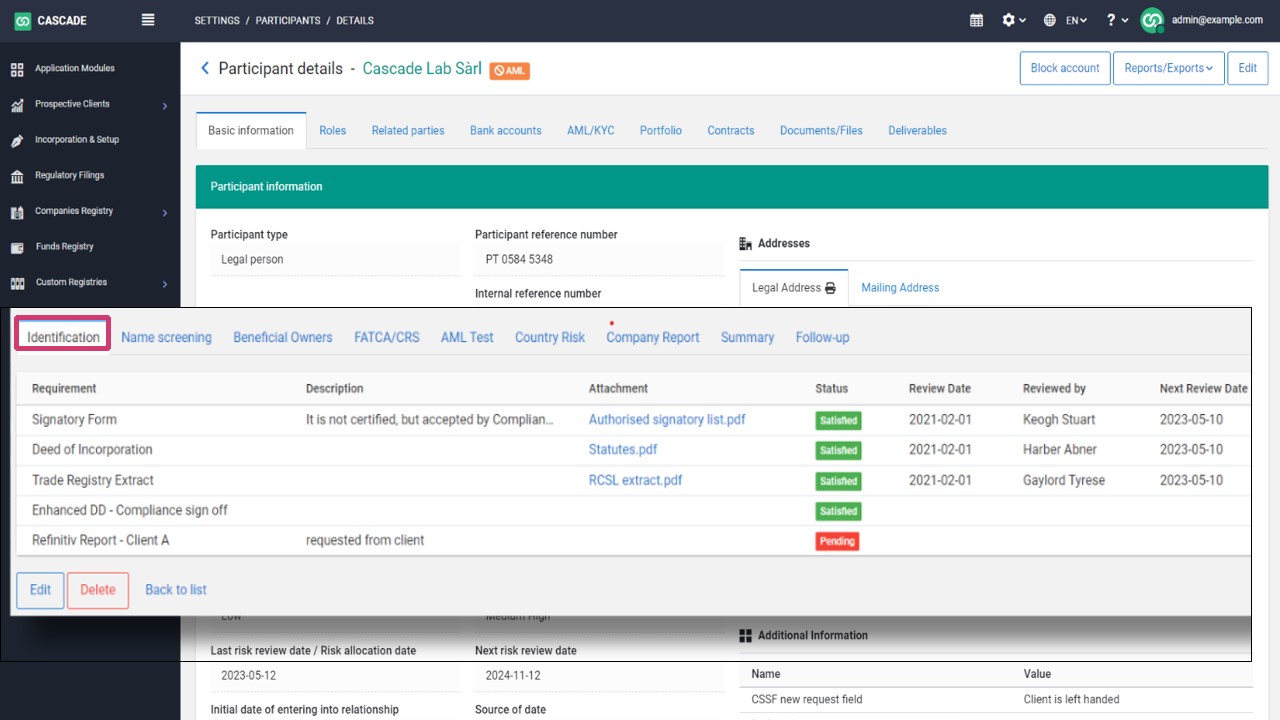
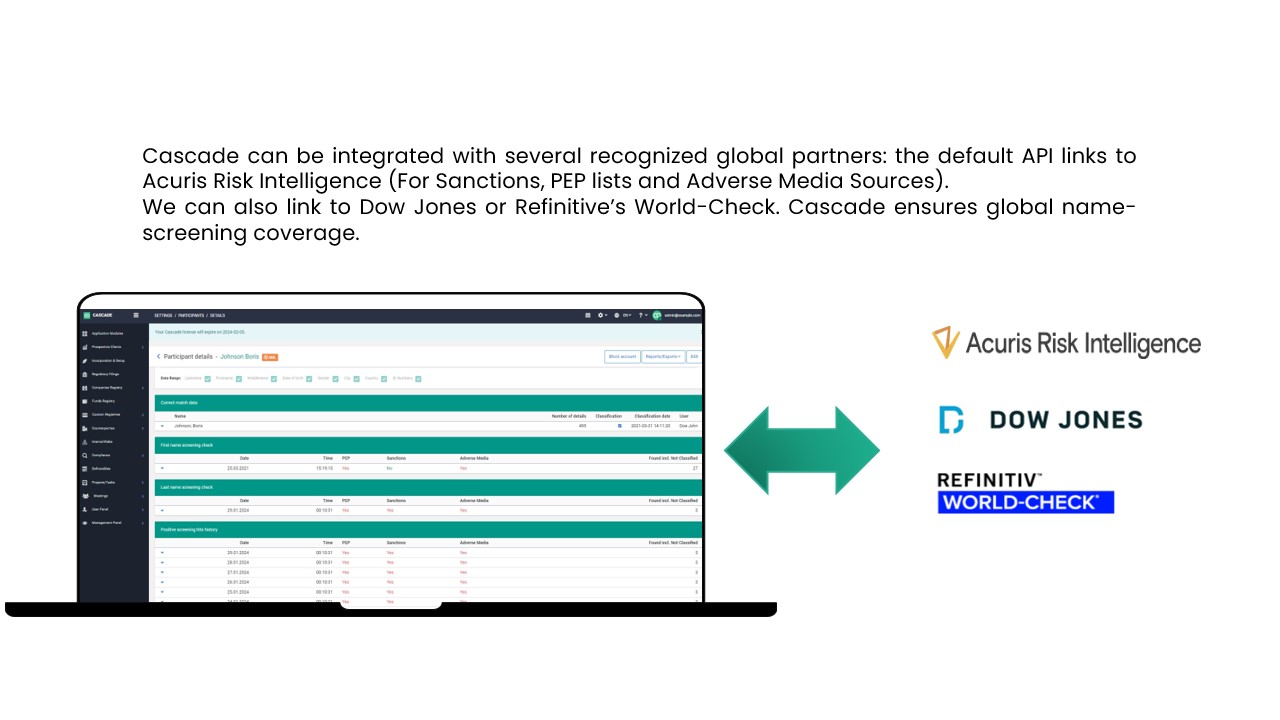
AML technology can support customer due diligence, screening, monitoring, data management and reporting. Its effectiveness depends on sound governance, reliable data and appropriate controls.
Explore Cascade’s AML Software Capabilities
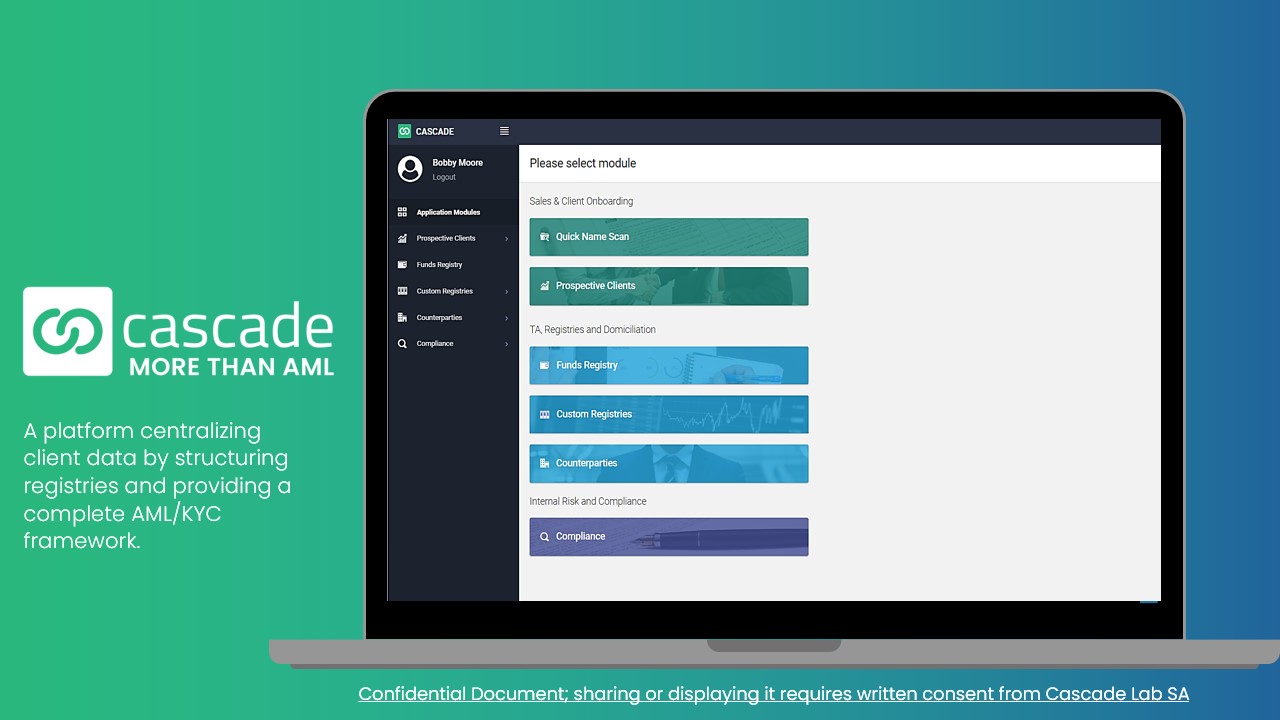
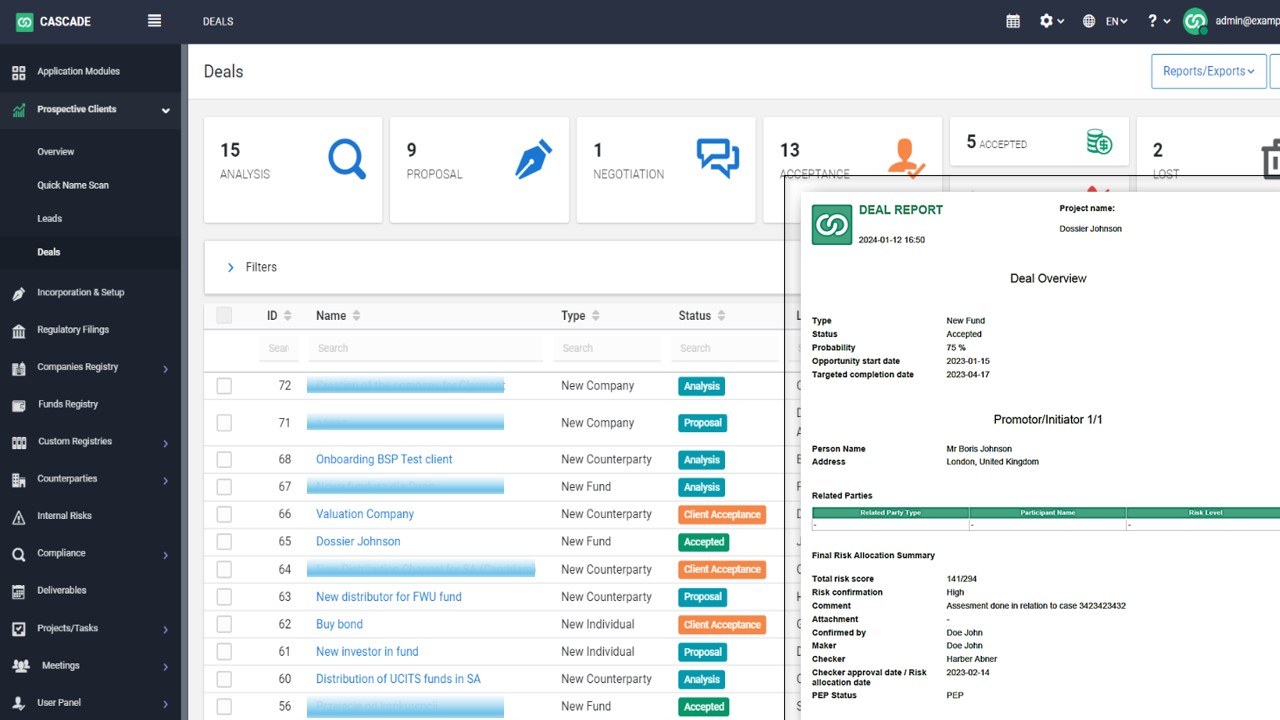
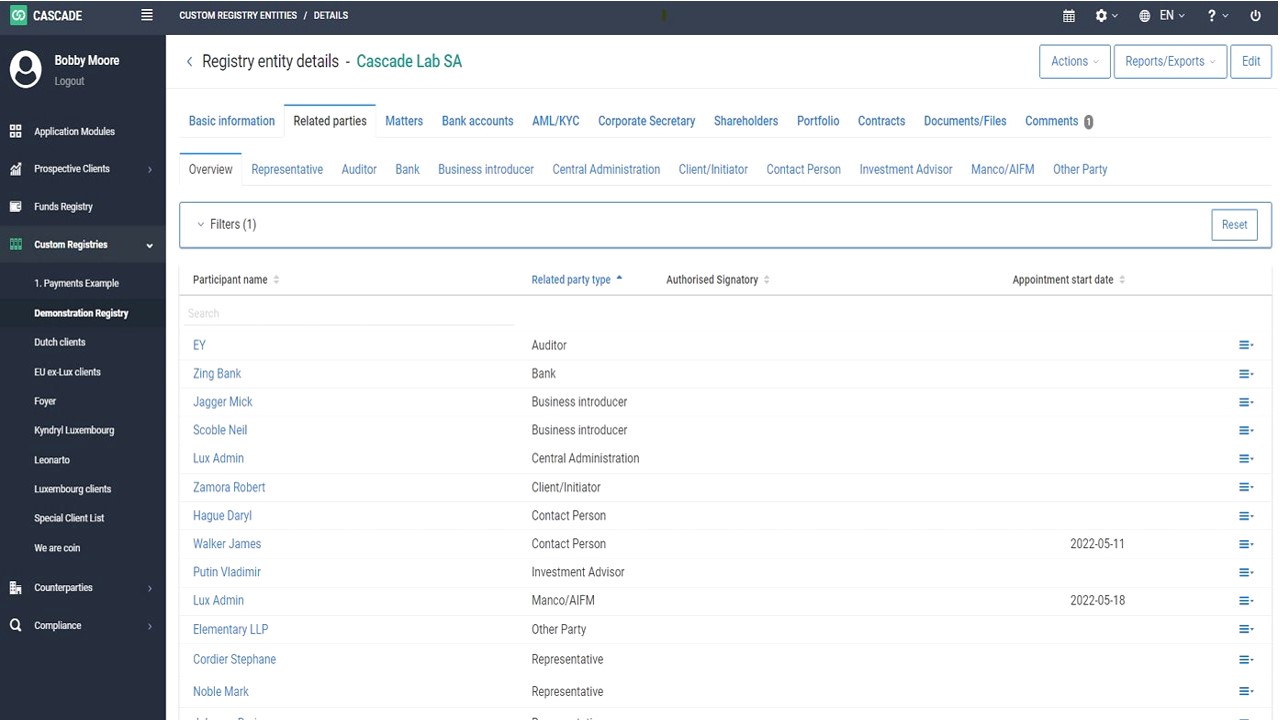
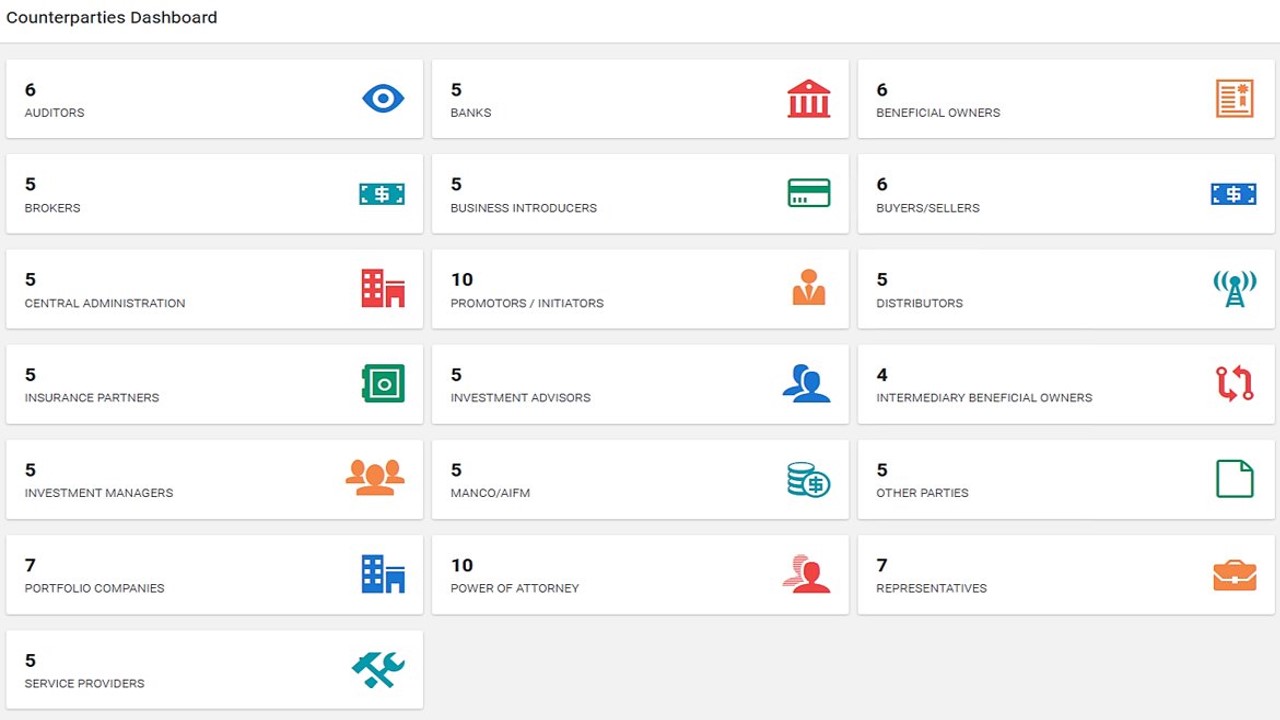
Cascade’s AML Software can be considered as part of an organisation’s assessment of its future AML operating model and technology requirements.
Available add-on modules, which require the core AML Software platform, include:
- Automated Treatment of Name Screening Alerts
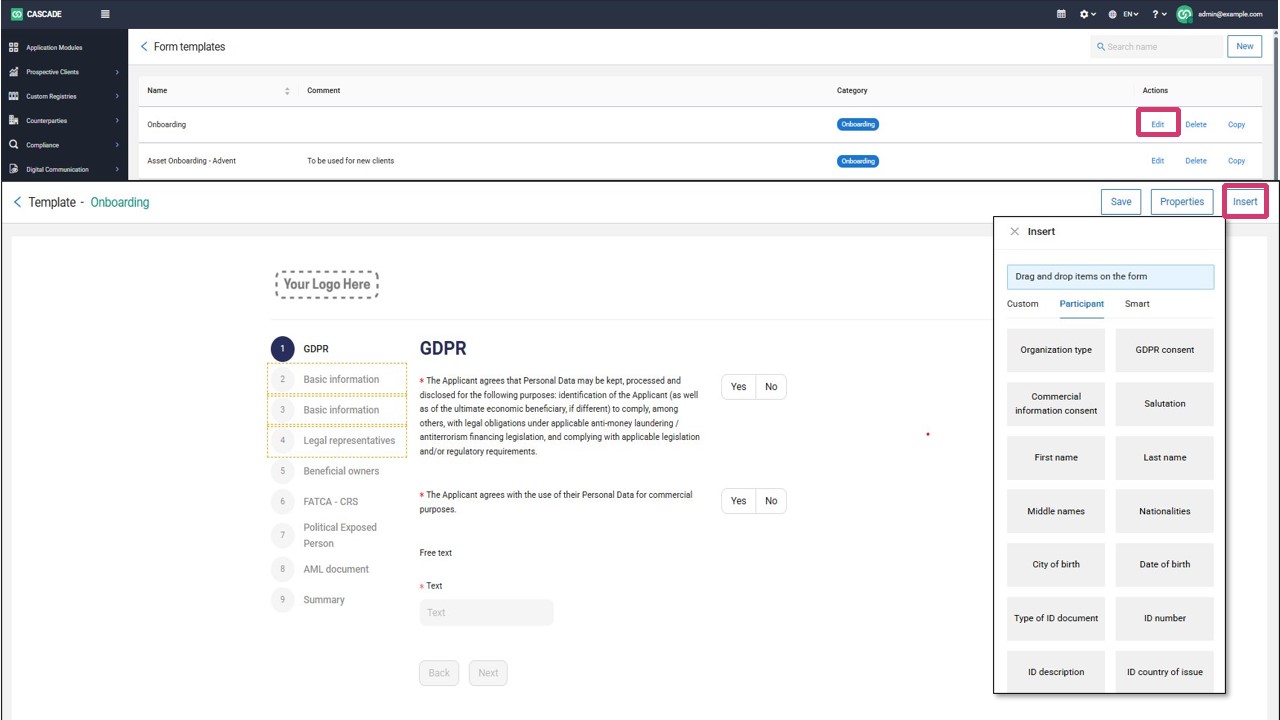
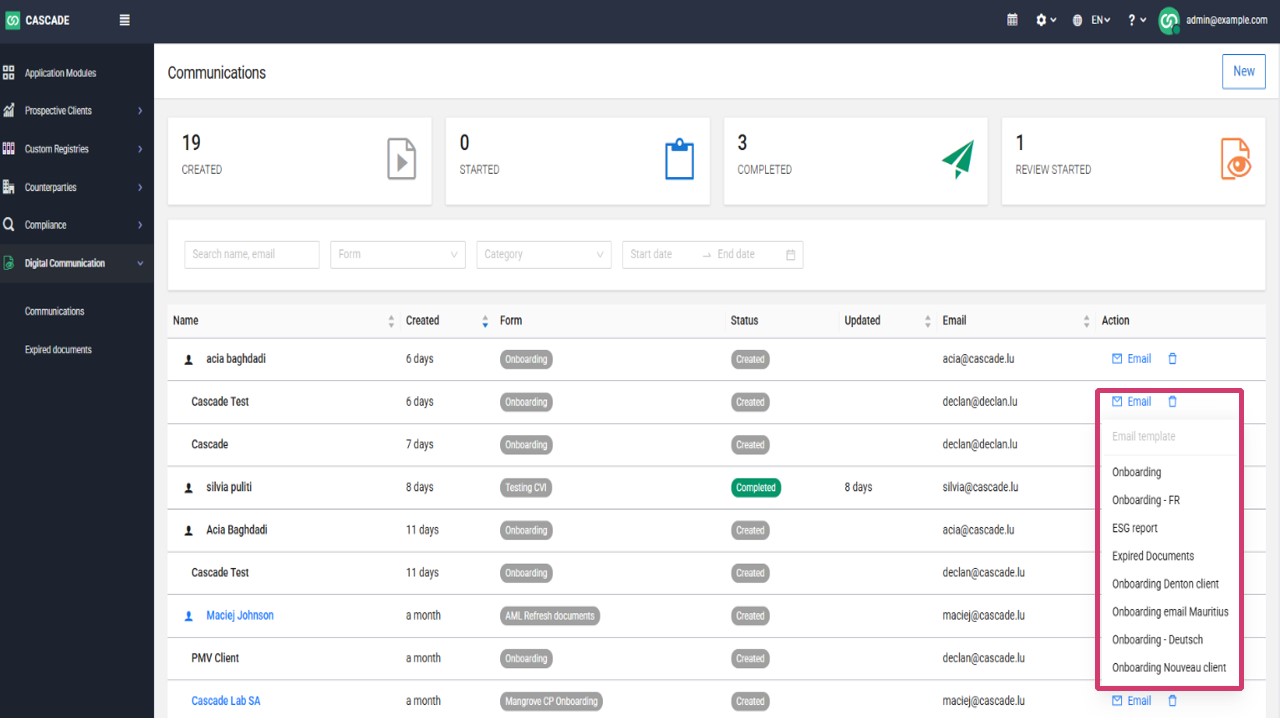
- Digital Communication Bridge for Client Onboarding
- BI Module for AML Reporting and Analytics
Explore Cascade’s AML Software capabilities to understand how technology could support your AMLR implementation priorities.
Regulatory Sources and Related Reading
- EU Anti-Money Laundering Regulation, Regulation (EU) 2024/1624
- AMLA: Preparation for Direct Supervision
- Cascade Resource: AML Software Overview
This article is for general information only and based on publicly available sources at the time of writing. We’ve done our best to make it accurate and useful, but AML rules and business needs can change. Always double-check key details and speak with a qualified expert before making compliance or vendor decisions.


 English
  English (Australia)
  English (UK)