How to build an AML change management plan that prevents compliance drift?
This guide walks you through building a change management plan that maintains compliance continuity while preventing the operational gaps that regulatory examinations expose.
Introduction: Why AML change management matters
Regulators expect financial institutions to implement documented change management procedures governing how AML policy updates are deployed. The Financial Crimes Enforcement Network (FinCEN), the Financial Conduct Authority (FCA), and the Central Bank of Ireland each expect that when AML policies change, the institution can demonstrate that the change was planned, communicated, implemented, tested, and audited.
Yet compliance teams often treat policy updates as ad hoc announcements. A new screening vendor is adopted; an email is sent to compliance staff; some staff are aware of the change; others continue using the previous vendor. A beneficial ownership verification standard is updated; the policy document is revised; training is planned but delayed; meanwhile, different analysts apply different standards. When regulators examine files, they discover inconsistent execution of the updated policy because the change was never systematically operationalized.
A documented change management plan addresses this operational gap by establishing a controlled process: changes are planned with clear rationale and implementation timeline; affected staff are identified and trained; execution is monitored; verification confirms that the change was actually implemented; and documentation creates an audit trail demonstrating change management compliance.
What is an AML change management plan?
An AML change management plan is a documented procedure governing how AML policy changes are proposed, approved, communicated, implemented, tested, and audited. The plan addresses governance (who approves changes), impact assessment (which staff and procedures are affected), communication strategy (how staff are informed), training and verification (how understanding is confirmed), implementation testing (how execution is verified), and audit trail management (how change completion is documented).
An effective change management plan includes:
- Change request submission process (who can propose changes, what information is required)
- Impact assessment (which business areas, systems, and staff are affected)
- Approval process (who reviews and approves changes before implementation)
- Implementation timeline (rollout schedule for affected areas)
- Communication and training plan (how staff are informed and trained)
- Testing and verification procedures (how implementation is tested and verified)
- Documentation and audit trail (how change completion is recorded)
- Rollback procedures (how to revert if implementation fails)
The plan ensures that policy updates do not create compliance gaps because changes are planned, communicated, implemented consistently, and verified before completion.
Why AML change management is critical for regulatory compliance
Regulated entities face three regulatory pressures that a documented change management plan addresses:
Regulatory guidance changes
Regulators regularly update guidance on AML compliance expectations. When guidance changes, institutions must update procedures to maintain compliance. If updates are not systematically implemented, institutions drift into non-compliance without awareness, creating enforcement exposure.
Business operation changes
Institutions adopt new systems, expand into new markets, or modify customer onboarding workflows. Each change creates AML compliance implications that must be addressed. If changes are deployed without considering AML impacts, compliance gaps emerge in the new operations.
Risk assessment changes
Customer risk assessments change, transaction volumes increase, or new product lines are launched. Monitoring thresholds, screening frequency, and ongoing monitoring procedures must be adjusted accordingly. If these adjustments are not systematically implemented, compliance controls weaken for changed circumstances.
A documented change management plan ensures that policy changes drive consistent operational execution rather than ad hoc confusion.
Regulatory framework: Change management expectations
Regulators establish explicit change management expectations:
The banking regulatory agencies expect financial institutions to maintain documented procedures governing how significant policy changes are approved, implemented, and monitored. Change management is a component of the overall AML program governance framework.
The FCA’s Systems and Controls handbook requires that firms implement effective systems and controls, including procedures for managing changes to those systems.
The Central Bank of Ireland expects documented procedures demonstrating that policy changes are implemented consistently and compliance is maintained during transitions.
Your change management plan is the primary documentary evidence that you manage policy updates in a controlled, auditable manner.
Building your AML change management plan: five-step framework
Step 1: Establish change governance and approval authority
Define who is authorized to approve AML policy changes:
- Change request submission: Establish a process for proposing changes (which staff members can submit requests, what information must be included, and where requests are submitted)
- Change review committee: Define which roles review change requests (typically Chief Compliance Officer, MLRO, Senior Management)
- Approval criteria: Establish standards for approving changes (impact assessment completed, resources available, implementation timeline defined)
- Approval documentation: Require written approval with approval date and approving authority
Different change types may have different approval thresholds. Minor clarifications may require CCO approval; substantive policy changes may require board-level approval.
Step 2: Conduct impact assessment
For each policy change, systematically assess what is affected:
- Business units affected: Which departments, regions, or product lines are impacted
- Systems affected: Which AML systems (screening, transaction monitoring, customer data repositories) must be updated
- Staff affected: Which job roles must understand and execute the new procedure
- Process changes: Which operational workflows must be modified
- Training required: What training must be delivered to affected staff
- Timeline impact: How long will implementation take
- Resource requirements: What resources (staff time, system configuration, training delivery) are required
Document the impact assessment in writing before proceeding with implementation.
Step 3: Develop communication and training strategy
Design how the change will be communicated:
- Stakeholder communication: How will affected staff be informed of the change (email announcement, team meeting, training session)
- Communication timeline: When will stakeholders be informed relative to the implementation date
- Training delivery: Will training be instructor-led, online, or self-paced
- Training verification: How will you confirm that staff understand the new procedure (quiz, assessment, supervisor verification)
- Escalation procedures: How will questions or concerns about the change be addressed
Ensure all affected staff receive communication and training before the effective date of the change.
Step 4: Implement the change with verification procedures
Execute the change and verify implementation:
- Rollout schedule: Define the implementation date and whether the change is deployed across all areas simultaneously or phased
- Testing before production: Test system changes in a non-production environment before deploying to production
- Parallel running (if applicable): For significant changes, consider running the old and new procedures in parallel for a defined period to verify the new procedure works correctly
- File testing: Sample customer files after implementation to verify the new procedure is being executed correctly
- Issue logging: Document any implementation issues discovered and how they were resolved
Step 5: Document completion and audit trail
Create an audit trail showing the change was completed:
- Completion documentation: Record the change implementation date, affected areas, and verification results
- Training completion records: Maintain records showing which staff received training and completion dates
- System configuration documentation: Retain documentation of system changes made to support the policy update
- Testing results: Retain testing documentation showing the new procedure was verified before production deployment
- Change sign-off: Obtain final approval from the CCO or MLRO confirming the change is complete and verified
AML change management execution: ad hoc vs. documented framework
| Change management component | Ad hoc change approach | Cascade documented change management |
|---|---|---|
| Change proposal and approval | Change requests arrive informally via email; no written approval process; unclear who has authority to approve changes; approval occurs verbally or through informal email chains. | Change management framework specifies who can submit requests, what information is required, and which roles must approve. Changes are tracked in change log with approval date and approving authority. |
| Impact assessment | Impact of change is assessed informally or discussed verbally; which staff are affected is unclear; system configuration changes are not systematically identified. | Impact assessment worksheet completed for each change specifying affected business units, affected staff, system impacts, and training requirements. Assessment is documented before implementation begins. |
| Communication and training | Staff learn about changes through informal communication or discover changes only when they encounter the new procedure. Training is conducted informally if at all. Understanding of the new procedure is not verified. | Communication plan specifies how affected staff are notified and when. Training is scheduled and tracked. Training completion is recorded with date. Training quiz or assessment verifies understanding before implementation date. |
| Implementation and verification | Change is deployed without systematic testing. Staff begin executing new procedure without verification that the new procedure is working correctly. Issues with implementation are discovered by accident through customer complaints or regulator findings. | System changes are tested in non-production environment before production deployment. Files are sampled after implementation to verify new procedure is being executed correctly. Implementation issues are logged and resolved before change is considered complete. |
| Audit trail and documentation | Change is completed but no documentation exists showing the change was planned, communicated, implemented, and verified. If a regulator questions the change, compliance cannot demonstrate how it was managed. | Change is recorded in change log showing proposal date, approval date, implementation date, affected areas, training completion, and verification results. Complete audit trail demonstrates the change was managed in a controlled manner. |
Operationalizing change management through documented procedures
Ad hoc change management creates inevitable compliance gaps. Policy updates are deployed without systematic verification that affected staff understand the changes; implementation is not tested before production deployment; system configuration changes are not documented; affected staff learn about changes only when errors occur. When regulators examine files, they discover that staff are executing procedures inconsistently because they were unaware of or misunderstood policy changes.
A documented change management framework embeds policy updates into controlled procedures. Changes are formally proposed with documented rationale and impact assessment; affected staff are identified and trained systematically; implementation is tested before production deployment; execution is verified through file sampling; completion is documented with audit trail. When regulatory changes occur, your institution responds methodically, ensuring all staff understand and execute updated procedures consistently.
The compliance benefit is substantial. Your regulatory examination demonstrates that policy changes are managed in a controlled, auditable manner. Staff understand updated procedures. Implementation is verified before completion. Audit trails document change management compliance.
For financial institutions subject to regulatory examination, this shift from ad hoc announcements to documented change management provides the documentary evidence that policy updates do not create compliance drift.
Best practices for AML change management
Establish clear change governance
Document who can propose changes, who must approve, and approval criteria. Assign the CCO or MLRO clear responsibility for overseeing change management.
Use a change log
Maintain a centralized change log tracking all proposed, approved, and implemented changes. The log enables you to respond quickly to regulator inquiries about when and how changes were made.
Require impact assessment for all changes
Before approving changes, systematically assess what is affected. This prevents surprises during implementation.
Verify understanding before implementation
Conduct training and verify staff understanding of the new procedure before the change becomes effective. Do not rely on staff to learn about changes only when implementing them.
Test before production
System changes should be tested in non-production environments before deployment. Procedure changes should be verified through file sampling after implementation.
Document completion
Create an audit trail showing the change was planned, communicated, implemented, and verified. This audit trail is your evidence of change management compliance.
Communicate early
Inform affected staff about upcoming changes well before the implementation date. Do not surprise staff with changes they were unaware of.
Frequently asked questions
What constitutes a significant AML policy change requiring documented change management?
Material changes include: changes to customer risk assessment criteria, changes to transaction monitoring thresholds, changes to beneficial ownership verification standards, changes to screening procedures or screening vendors, changes to suspicious activity investigation standards, changes to AML system configuration, or regulatory-driven procedure changes. Minor clarifications or formatting updates may not require full change management if they do not affect staff procedures.
How should I handle urgent AML changes required by regulatory guidance?
Urgent changes still require documented change management, but the timeline is compressed. Rapid communication and training may be required. Document the urgency and the reason for expedited implementation. Verify understanding and implementation as soon as possible after the change becomes effective, even if pre-implementation verification was not possible.
Should I implement changes across all areas simultaneously or phased by region?
That depends on the complexity of the change and the risk of implementation issues. Simple procedural clarifications can typically be implemented globally. Complex system changes should be tested in a pilot area first before global rollout. Document your rollout strategy in the change management plan.
What is Cascade and how does it simplify AML/KYC compliance?
Cascade is an end-to-end AML Software (SaaS Platform) that centralises client data and supports AML/KYC workflows from onboarding and risk assessment through to ongoing monitoring and reporting. It helps compliance teams standardise processes, manage documents and screening, apply risk-based workflows, and maintain an audit trail of actions and decisions.
Who can benefit from using Cascade?
Cascade supports organisations with AML/KYC obligations, including financial services firms, fintechs, wealth managers, law firms and corporate service providers.
How does Cascade ensure data security and regulatory compliance?
Cascade provides controlled workflows, activity logging and audit trails to support traceable AML/KYC processes. Compliance still depends on your policies, configuration and applicable regulations.
How can I get started with Cascade?
Book a demo with Cascade to discuss your AML/KYC requirements, explore the platform and identify how it can support your workflows.
Explore Cascade’s change management capabilities
Compliance teams struggle to manage AML policy updates systematically when changes are communicated ad hoc through email and training is informal. Staff learn about changes only when implementing them; understanding is not verified; system changes are not tested before production deployment; audit trails do not exist. When regulators examine compliance, they discover inconsistent execution of updated policies because change management was not controlled.
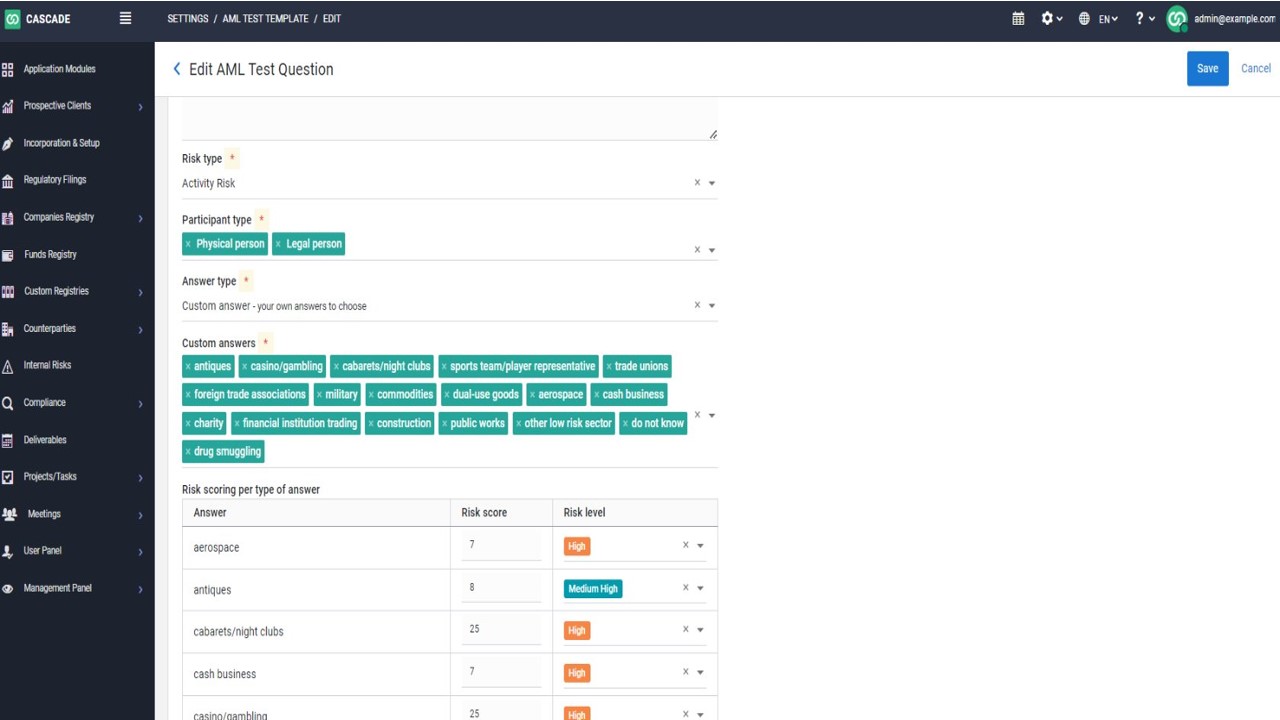
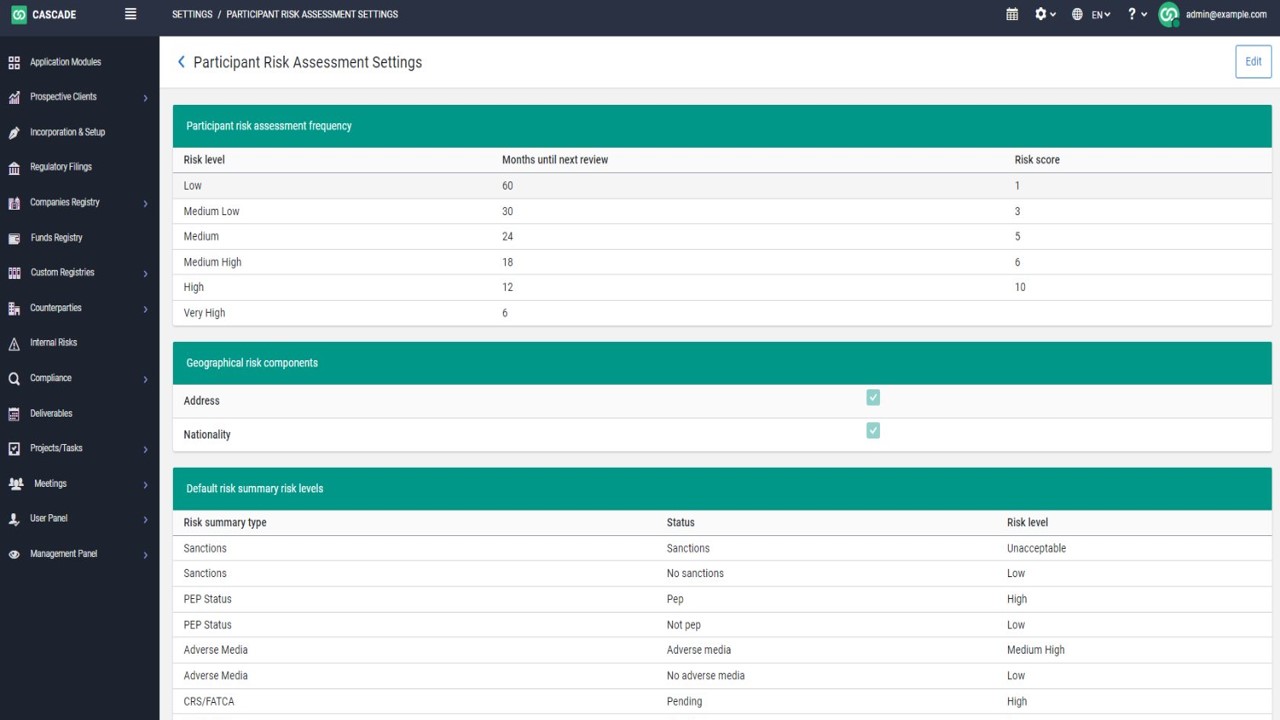
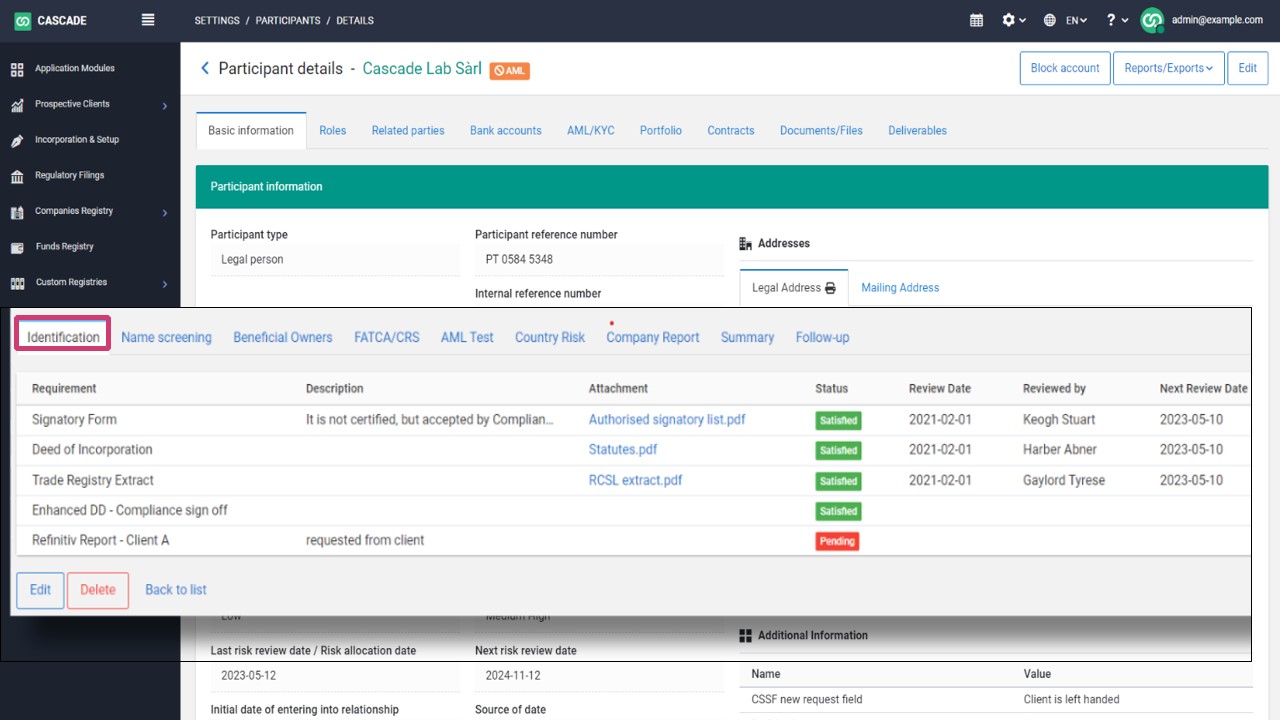
Cascade purpose-built to operationalize change management by embedding documented procedures for communicating, training, implementing, and verifying policy changes. Changes are tracked in a centralized change log with approval documentation; affected staff are identified and trained with completion tracking; implementation is verified through systematic testing; audit trails document change management compliance.
To see how Cascade operationalizes your AML change management and maintains compliance during policy updates, explore Cascade’s AML capabilities.
Disclaimer
This article is for general information only and based on publicly available sources at the time of writing. We have made our best effort to ensure accuracy and usefulness, but AML rules and business needs can change. Always verify key details against current regulatory publications and consult with a qualified compliance specialist before making compliance decisions.


 English
 English (Australia)
 English (UK)