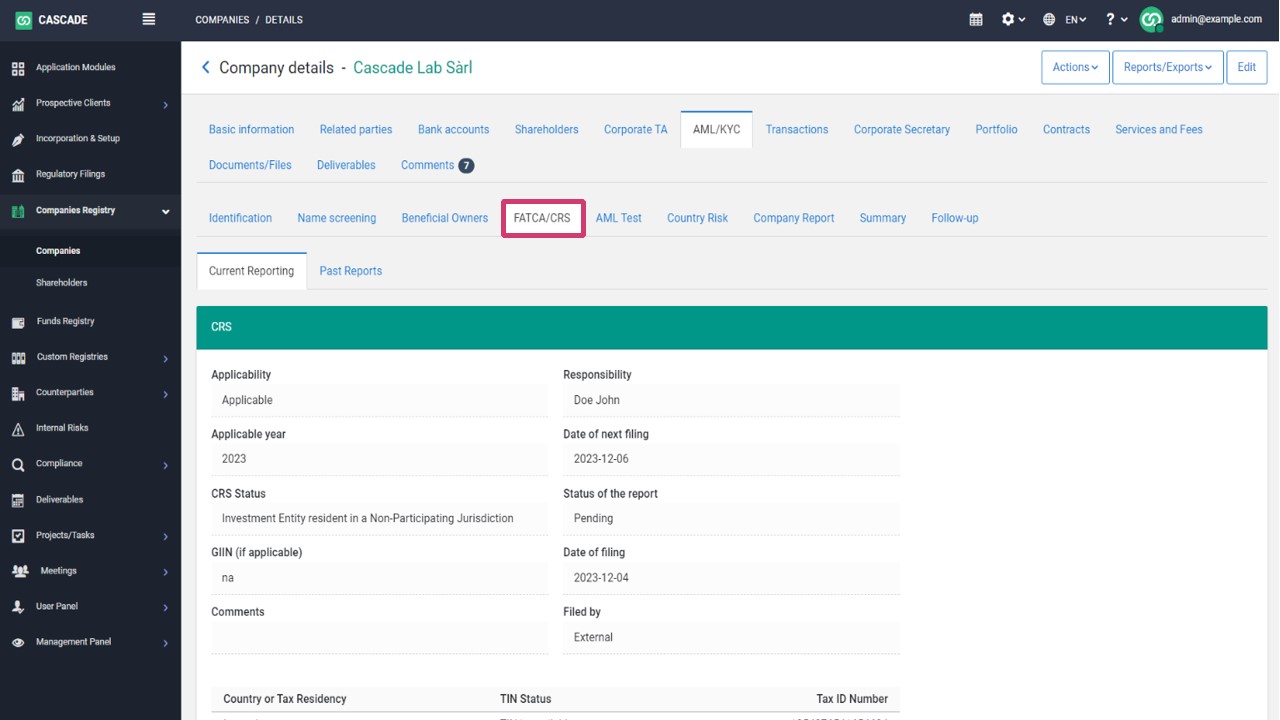
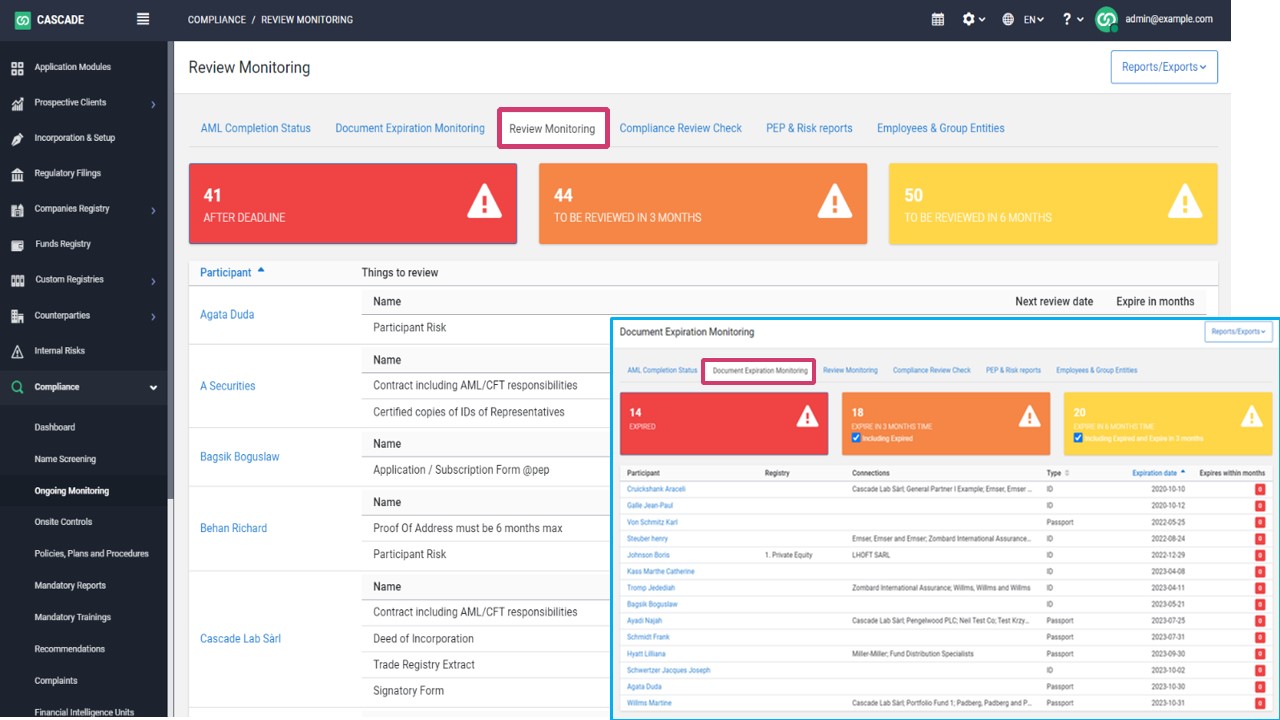
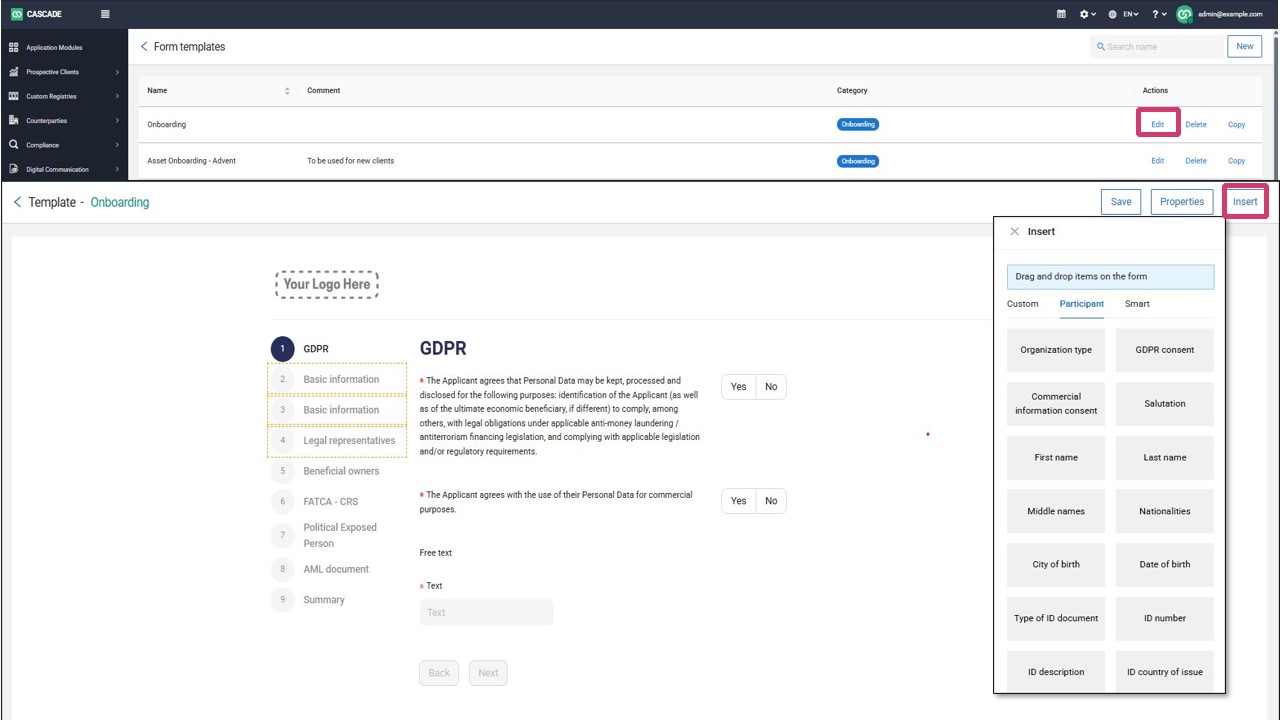
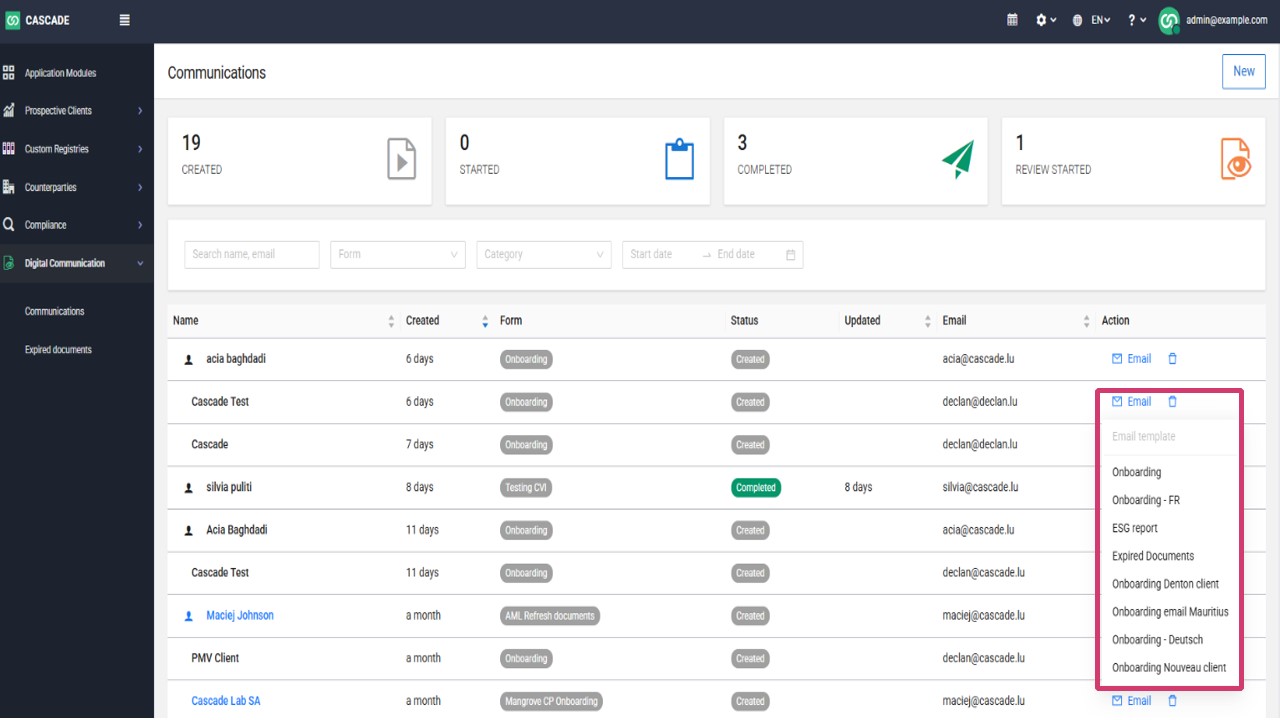
This guide explains how US financial services firms develop an AML compliance operating manual template aligned with FinCEN and FFIEC expectations, operationalize procedures using Cascade’s B2B compliance software platform, and ensure consistent execution across the entire organization. See the 4-step implementation framework and implementation matrix below.
What is an AML compliance operating manual?
An AML compliance operating manual is a documented, comprehensive statement of a financial institution’s BSA/AML program. It details customer identification and due diligence standards, transaction monitoring procedures, suspicious activity reporting protocols, recordkeeping requirements, staff training obligations, and compliance governance. The manual serves as the operational reference that guides all employees in executing the firm’s AML program and is the primary document FinCEN examiners review during BSA/AML compliance examinations.
The FFIEC BSA/AML Examination Manual expects financial institutions to maintain written procedures addressing each core element of the BSA/AML program. Examiners assess whether the firm’s manual is comprehensive, whether it reflects the firm’s actual risk profile, and whether procedures are consistently applied across the organization.
An effective AML compliance operating manual is not static. It should be reviewed and updated annually at minimum and immediately whenever regulatory guidance changes, the firm’s business model shifts, or compliance gaps are discovered.
Why an AML compliance operating manual matters for US firms
FinCEN examination intensity
FinCEN and federal banking regulators conduct explicit BSA/AML examinations using the FFIEC Examination Manual as the supervisory benchmark. Examiners review the firm’s operating manual to assess whether procedures are documented, comprehensive, and reflected in actual practice. Firms without clear, documented procedures face examination findings and enforcement action.
Regulatory inconsistency across examiners
Depending on the firm’s charter, examination may come from FinCEN, the OCC, the Federal Reserve, state regulators, or FINRA. Each applies the same FFIEC standards. A comprehensive AML compliance operating manual demonstrates consistent BSA/AML execution to all examiners.
Staff accountability and consistency
Manual, undocumented procedures create inconsistency. One customer due diligence officer conducts basic identification; another conducts enhanced beneficial ownership verification. One transaction analyst flags an alert; another approves identical activity without investigation. Operating manuals establish the standard all staff must follow.
FinCEN, FFIEC, and BSA/AML requirements
FinCEN administers the Bank Secrecy Act and has issued regulations codified in 31 CFR Part 1010. The FFIEC BSA/AML Examination Manual (updated 2020) establishes examination standards and supervisory expectations for BSA/AML compliance programs.
Key regulatory expectations:
The BSA and USA PATRIOT Act require financial institutions to develop, implement, and maintain an AML compliance program with four core pillars: independent compliance management, designated compliance officer, independent audit/testing, and staff training. Customer due diligence requirements (31 CFR 1010.230) require firms to know their customers: obtain customer name, date of birth, address, and taxpayer identification; understand the nature and purpose of customer relationships; and conduct ongoing monitoring.
The FFIEC manual expects written procedures addressing customer identification, customer due diligence, transaction monitoring, suspicious activity detection and reporting, and record retention. FinCEN examiners assess whether procedures are documented, whether actual practice aligns with documented procedures, and whether the compliance program is proportionate to the firm’s risk profile and business model.
Key takeaways
- An AML compliance operating manual should comprehensively address the firm’s customer identification program (CIP), customer due diligence (CDD), transaction monitoring, suspicious activity reporting, and training requirements, aligned with the firm’s specific business model and risk profile.
- The operating manual must be reviewed and approved by senior management and the board. It should be updated annually and immediately whenever regulatory guidance changes or the firm’s business model shifts.
AML compliance operating manual framework
Step 1: Define the AML program’s governance, roles, and authorities
Establish the structure of the firm’s AML compliance program. Designate an AML Compliance Officer with clear authority and accountability for the program. Identify AML governance roles: the Board provides oversight; the Chief Compliance Officer (or designated senior officer) reports to the Board and owns the program; the AML Compliance Officer manages day-to-day operations; business line managers support compliance within their units.
Document the role of independent testing and audit functions. Define reporting lines so that AML issues flow directly to senior management and, when material, to the Board.
Step 2: Document customer identification and due diligence standards
Establish clear procedures for the customer identification program (CIP) and customer due diligence (CDD). Define what customer information must be collected (name, date of birth, address, taxpayer ID, beneficial ownership information), how information will be verified (government ID, documentation review, third-party databases), and timelines for collection and verification.
Define risk-based CDD: certain customer types (US-regulated entities, government agencies, established businesses) may receive streamlined CDD; higher-risk customers (non-US entities, complex ownership, transaction patterns suggesting elevated risk) require enhanced due diligence (EDD).
Document beneficial ownership identification procedures. For customer accounts, identify natural persons with ownership and control. For corporate customers, identify beneficial owners through review of organizational documents, ownership registries, and FINRA beneficial ownership filing requirements (effective 2024).
Step 3: Establish transaction monitoring and alert procedures
Define transaction monitoring: what transaction types are monitored, what thresholds trigger alerts, what monitoring frequency applies to each risk segment, and how alerts are investigated.
Document alert investigation procedures. When an alert is generated, what documentation must be reviewed? What questions must be investigated? What constitutes clearance vs. escalation to suspicious activity? Document the decision-making authority at each escalation level.
Step 4: Document suspicious activity reporting and recordkeeping protocols
Establish procedures for determining whether activity is suspicious and warrants filing a Suspicious Activity Report (SAR) with FinCEN. Document the legal standard (the firm has reason to believe the transaction involves a violation of federal criminal law or involves money laundering or terrorist financing). Establish timelines for SAR filing (within 30 days of detection, or longer if the firm is conducting a delayed-reporting investigation).
Define record retention obligations. BSA/AML records must be retained for a minimum of 5 years. Document what records are retained, how long, and who manages archival.
AML compliance operating manual template and implementation matrix
| AML Program Element | Procedure Component | Documentation Required | Responsibility | Annual Review Trigger |
|---|---|---|---|---|
| Customer Identification Program (CIP) | Define customer information to be collected (name, DOB, address, TIN); verify identity through reliable documents | CIP procedures; identification verification standards; acceptable document types; exception approval process | AML Compliance Officer; Customer Onboarding | Regulatory guidance update; identification fraud incidents; process gaps identified in testing |
| Customer Due Diligence (CDD) | Assess customer risk profile; identify beneficial ownership; document customer purpose and anticipated transaction patterns | CDD risk assessment procedures; beneficial ownership identification forms; risk categorization standards; documentation examples | AML Compliance Officer; Business Unit Managers | Regulatory changes; enhanced due diligence incidents; beneficial ownership identification gaps |
| Enhanced Due Diligence (EDD) | For high-risk customers, conduct heightened verification; assess source of funds; conduct enhanced beneficial ownership review | EDD trigger criteria; EDD verification procedures; OFAC/PEP screening requirements; source of funds attestation; EDD approval documentation | AML Compliance Officer | High-risk customer incidents; regulatory guidance updates; examination findings |
| Transaction Monitoring | Define transaction thresholds; establish monitoring frequency and alert rules; document alert review procedures | Transaction monitoring rules; threshold amounts; monitoring frequency by risk category; alert investigation procedures; decision documentation | AML Compliance Officer; Compliance Analysts | Process gaps; alert false-positive rates; regulatory changes; detection failures during testing |
| Suspicious Activity Reporting | Document procedures for assessing whether activity is suspicious; establish SAR filing timelines; document decision authority | SAR review procedures; legal standard for suspicion; SAR filing timelines; decision documentation; reporting requirements for filed SARs; confidentiality protocols | AML Compliance Officer; Compliance Management | SAR filing review results; examination findings; regulatory guidance updates; internal testing findings |
| Recordkeeping and Audit Trails | Document retention requirements; define what records are retained and for how long; ensure audit trails are maintained | Records retention policy; record types and retention periods; audit trail documentation standards; data archival procedures; destruction procedures | AML Compliance Officer; IT / Records Management | Data security incidents; regulatory guidance; records retrieval failures; examination findings |
| AML Training and Competency | Define initial training requirements; establish annual refresher schedule; document training content and assessment standards | Training curriculum; training schedule; initial and refresher training requirements by role; competency assessment standards; documentation of completion | AML Compliance Officer; Training / HR | Role-change training gaps; staff turnover; regulatory guidance updates; examination findings |
| OFAC/Sanctions Screening | Define initial and ongoing sanctions screening procedures; specify screening frequency and data sources; document match investigation protocols | Screening procedures; initial and ongoing screening frequency; approved screening databases; match investigation procedures; match clearance or escalation criteria | Compliance Operations; Sanctions Screening Function | OFAC updates; false-positive rates; screening coverage gaps; examination findings |
| Independent Testing and Audit | Establish annual independent testing protocols; document what is tested, testing frequency, and audit procedures | Testing and audit procedures; scope of annual testing; sample sizes; testing procedures for CIP, CDD, transaction monitoring, SAR processes; documentation of findings and remediation | Internal Audit; External Auditors | Test findings; regulatory examination results; compliance program changes; risk profile changes |
Common challenges in AML compliance operating manuals
Challenge 1: Operating manual is outdated or misaligned with actual practice
The firm maintains an operating manual drafted years ago that does not reflect current procedures. Actual practice has evolved; business lines follow informal procedures; operating manual becomes a compliance shelf document rather than an operational reference.
Solution: Designate ownership of the operating manual. Establish a formal review process: the AML Compliance Officer reviews the manual annually, documents any procedure changes, obtains senior management approval, and distributes updated versions to all staff. Version control the manual clearly (date, version number, approval signatures).
Challenge 2: Operating manual lacks sufficient specificity on key procedures
The manual states “customer due diligence will be conducted” but does not specify what information must be collected, how verification will occur, or what risk-based CDD looks like. Compliance officers interpret procedures inconsistently.
Solution: Include worked examples in the manual. For CIP/CDD, include sample customer profiles showing what information was collected, how it was verified, and what risk category was assigned. For transaction monitoring, include sample transactions and the alert investigation decision. Specificity eliminates interpretation variance.
Challenge 3: Manual does not address business line specific procedures
Different business lines (retail banking, investment services, wealth management) have different risk profiles and operational procedures. A single operating manual does not account for differences.
Solution: Develop modular procedures. Create a core operating manual covering enterprise-wide standards (governance, roles, training). Supplement with business-line-specific annexes addressing unique transaction types, customer profiles, and risk procedures. Document how procedures cascade to each business line.
Challenge 4: Suspicious activity reporting and legal review procedures are unclear
The manual does not specify how the firm determines whether to file a SAR, who has authority to make filing decisions, and how legal review is conducted. SAR filing decisions are inconsistent.
Solution: Document the SAR decision process step-by-step. Create a SAR review checklist: Has the firm identified a violation of law or money laundering risk? What is the specific basis for suspicion? Who reviews whether suspicion is justified? Who approves SAR filing? Document that all SARs are reviewed by legal counsel or a designated senior officer before filing.
Best practices for AML compliance operating manuals
Establish clear ownership
The Chief Compliance Officer owns the overall AML program; the AML Compliance Officer owns the operating manual and is responsible for updates, staff training, and implementation oversight.
Document with specificity and examples
Generic procedures create interpretation variance. Include specific procedures, worked examples, and sample transactions demonstrating how staff should apply procedures.
Obtain board-level approval and attestation
Present the operating manual to the Board for review and approval. Board approval demonstrates governance oversight and senior management commitment. Review and re-approve annually.
Align manual to firm risk profile
The procedures in the manual should be proportionate to the firm’s business model, customer base, geographic footprint, and transaction patterns. Document the firm’s risk profile explicitly and explain how procedures respond to identified risks.
Version control and distribute formally
Use formal version control (date, version number, approval signatures). Distribute updated manuals to all staff and require acknowledgment of receipt.
Use centralized compliance platforms to operationalize manual procedures
Document procedures in written manuals; operationalize them in centralized compliance systems. Procedures should drive workflows, not exist only in writing.
Frequently asked questions
Who is responsible for maintaining and updating the AML compliance operating manual?
The AML Compliance Officer is responsible for maintaining the template and ensuring procedures remain current and aligned with regulatory expectations. Review annually and immediately whenever regulatory guidance changes, the firm’s business model shifts, or compliance gaps are discovered. All updates must be approved by senior management and the Board.
How detailed should procedures be in an AML compliance operating manual?
Procedures should be specific enough that a different employee applying the same procedure reaches the same conclusion. Avoid generic statements. Specify what customer information will be collected, how each piece will be verified, what documents are acceptable, and what timelines apply. Include examples. The FFIEC Examination Manual and FINRA AML Template provide detailed procedure examples.
Should the AML compliance operating manual address all branches or just the headquarters?
The operating manual establishes enterprise-wide standards applying to all branches, locations, and business lines. All staff executing AML procedures must follow documented standards. The manual may address branch or business-line-specific variations when procedures differ across operating units.
How often should the AML compliance operating manual be updated?
Review and approve at least annually. Update immediately when FinCEN issues new guidance, when examination findings reveal procedure gaps, or when the firm’s business model or risk profile materially changes. Issue a new version; notify all staff; document updates in board minutes. Subscribe to FinCEN Updates to stay informed of regulatory changes.
What is Cascade and how does it simplify AML/KYC compliance?
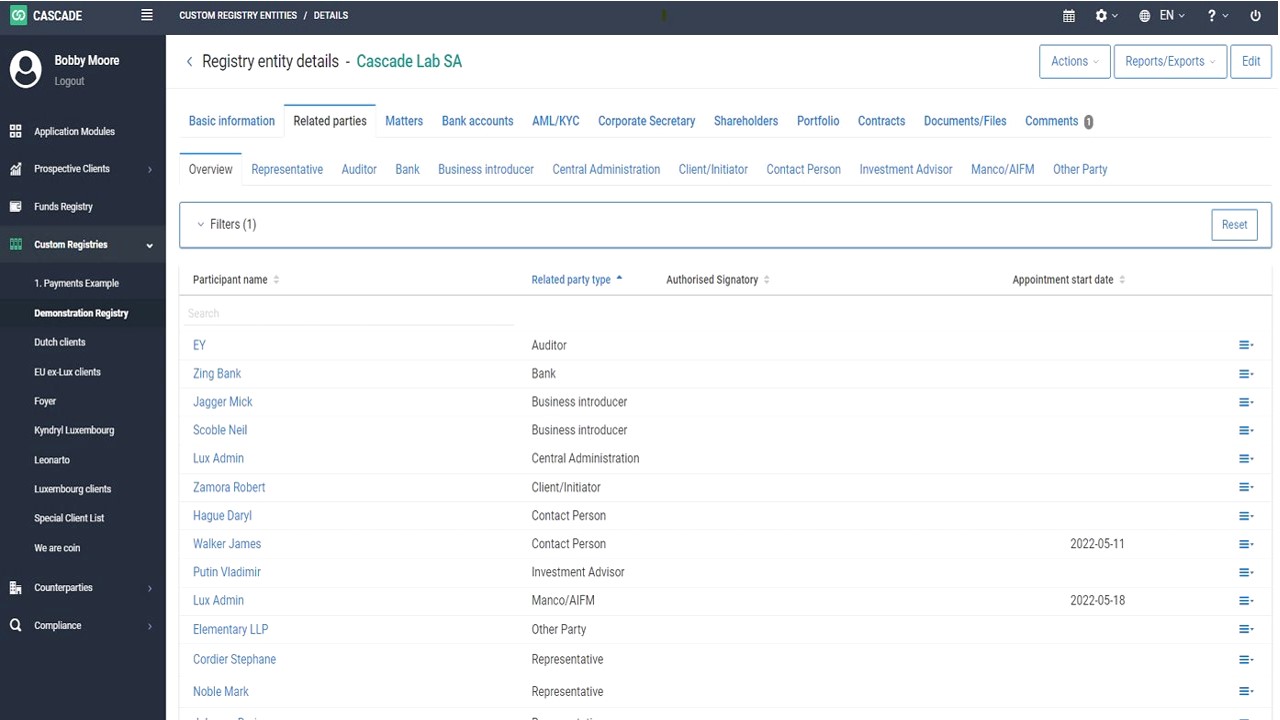
Cascade is an end-to-end AML Software (SaaS Platform) that centralises client data and supports AML/KYC workflows from onboarding and risk assessment through to ongoing monitoring and reporting. It helps compliance teams standardise processes, manage documents and screening, apply risk-based workflows, and maintain an audit trail of actions and decisions.
Who can benefit from using Cascade?
Cascade supports organisations with AML/KYC obligations, including financial services firms, fintechs, wealth managers, law firms and corporate service providers.
How does Cascade ensure data security and regulatory compliance?
Cascade provides controlled workflows, activity logging and audit trails to support traceable AML/KYC processes. Compliance still depends on your policies, configuration and applicable regulations.
How can I get started with Cascade?
Book a demo with Cascade to discuss your AML/KYC requirements, explore the platform and identify how it can support your workflows.
Explore Cascade’s AML operating manual capabilities
US financial services firms managing AML procedures through fragmented spreadsheets, email procedures, and inconsistent documentation face examination findings when FinCEN reviewers assess actual BSA/AML program execution. Operating manuals exist on paper; actual procedures vary by business line; compliance officers apply CDD standards inconsistently; transaction monitoring workflows lack documented decision authority.
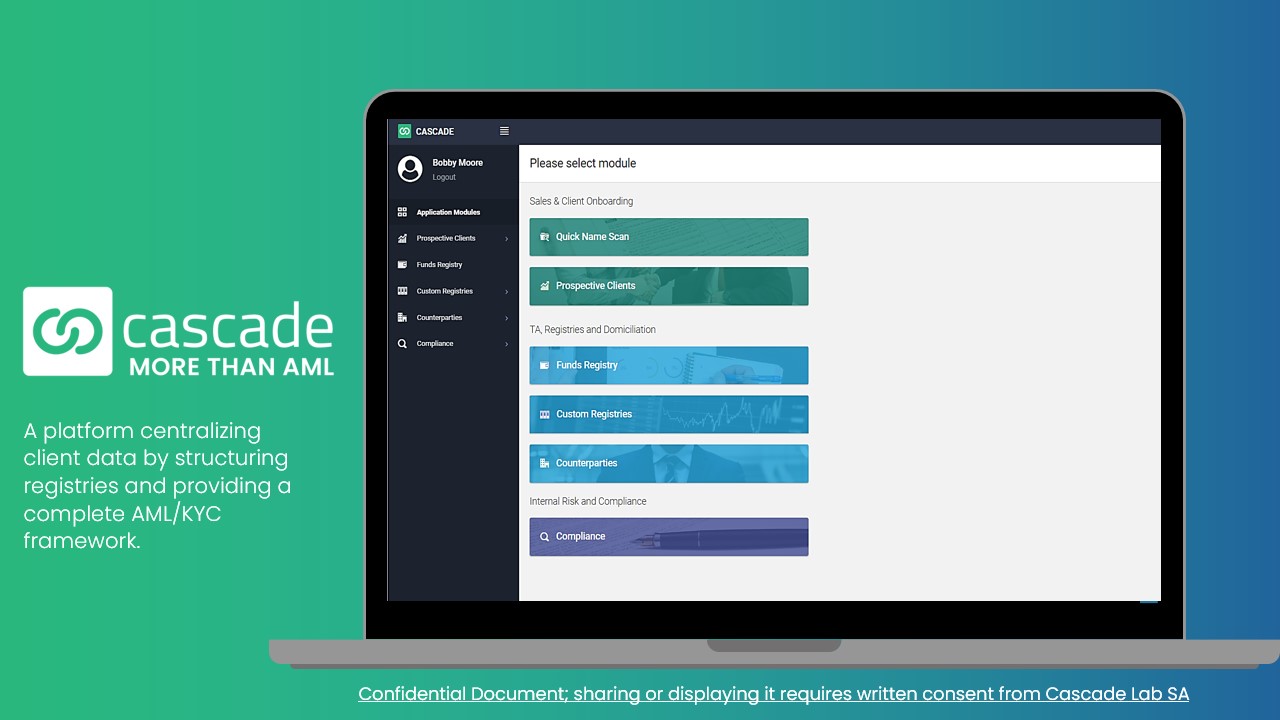
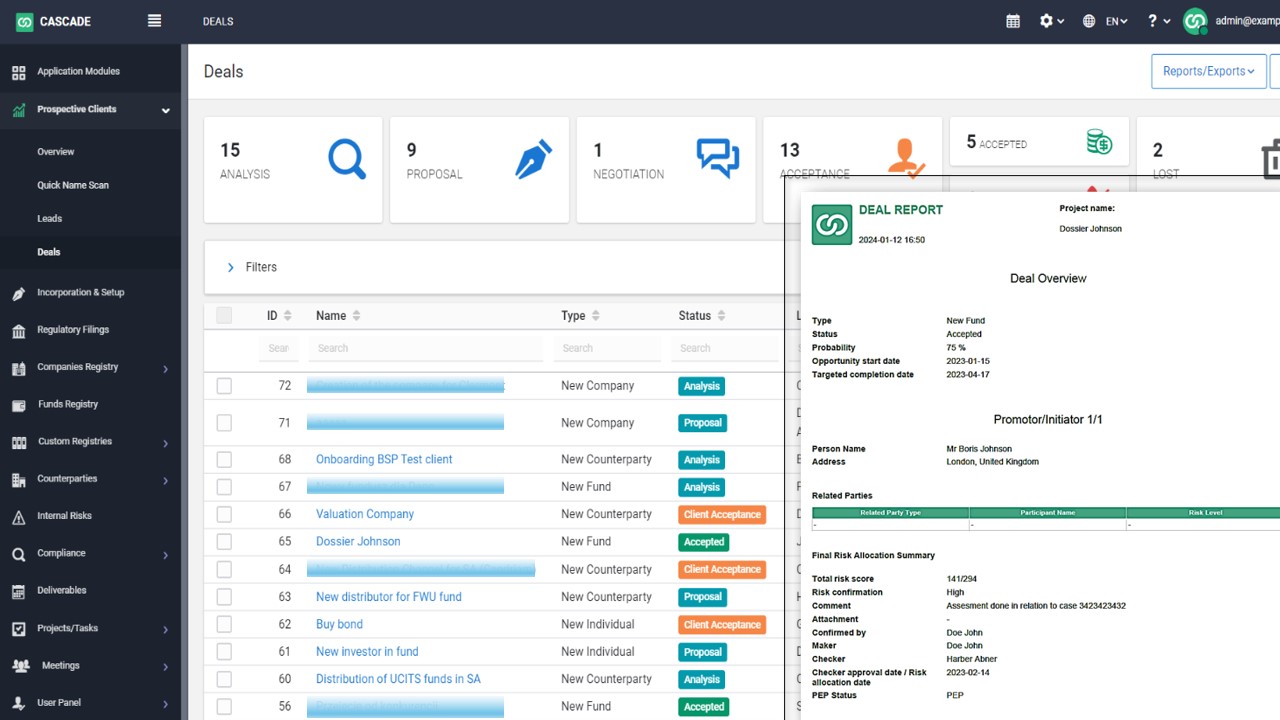
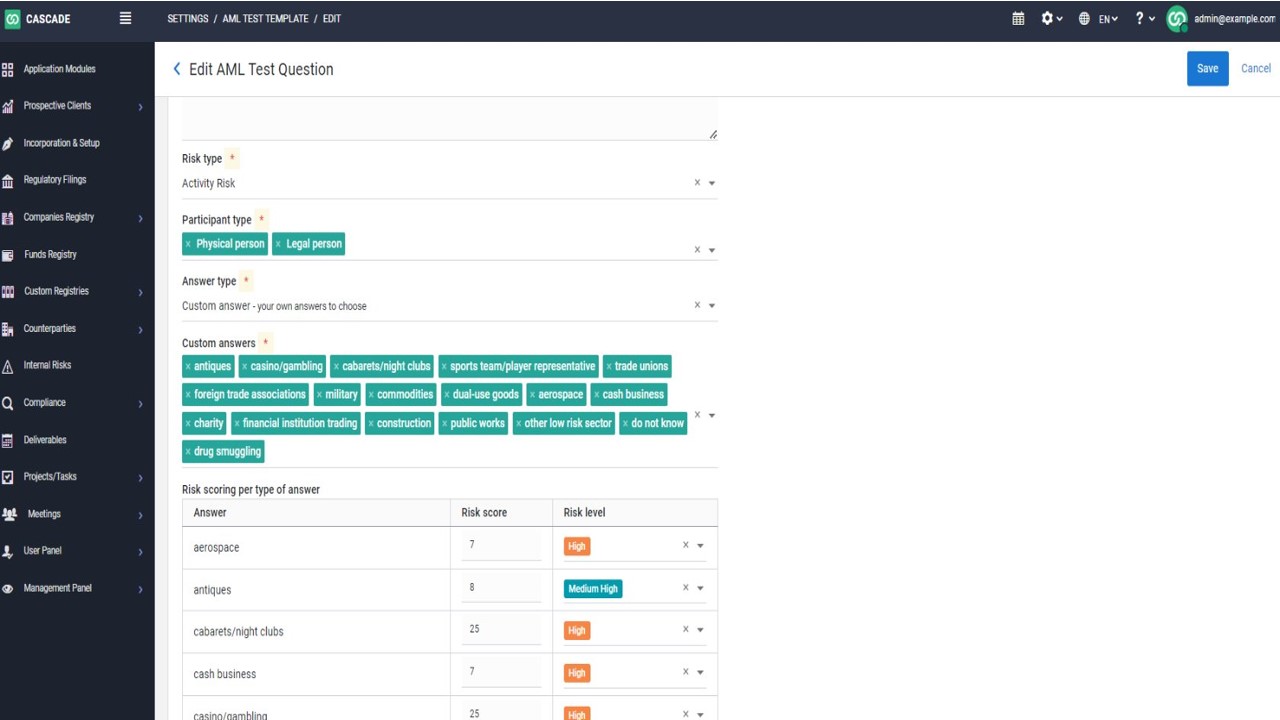
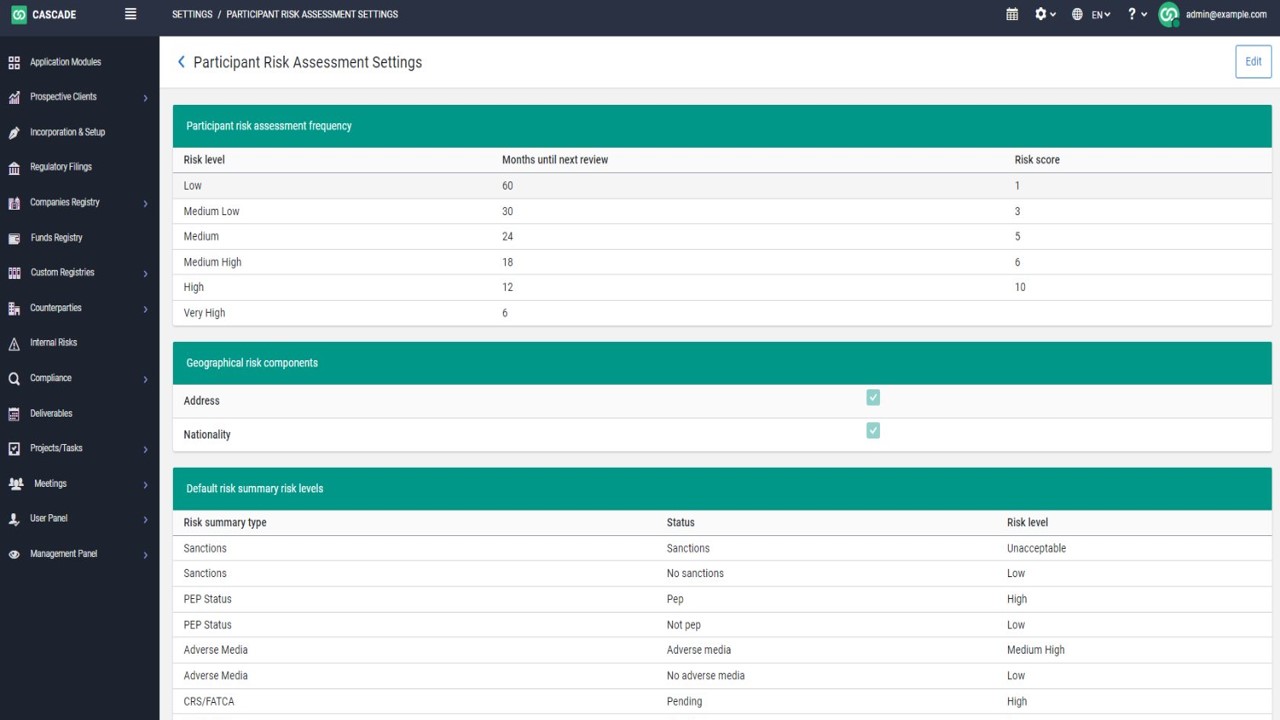
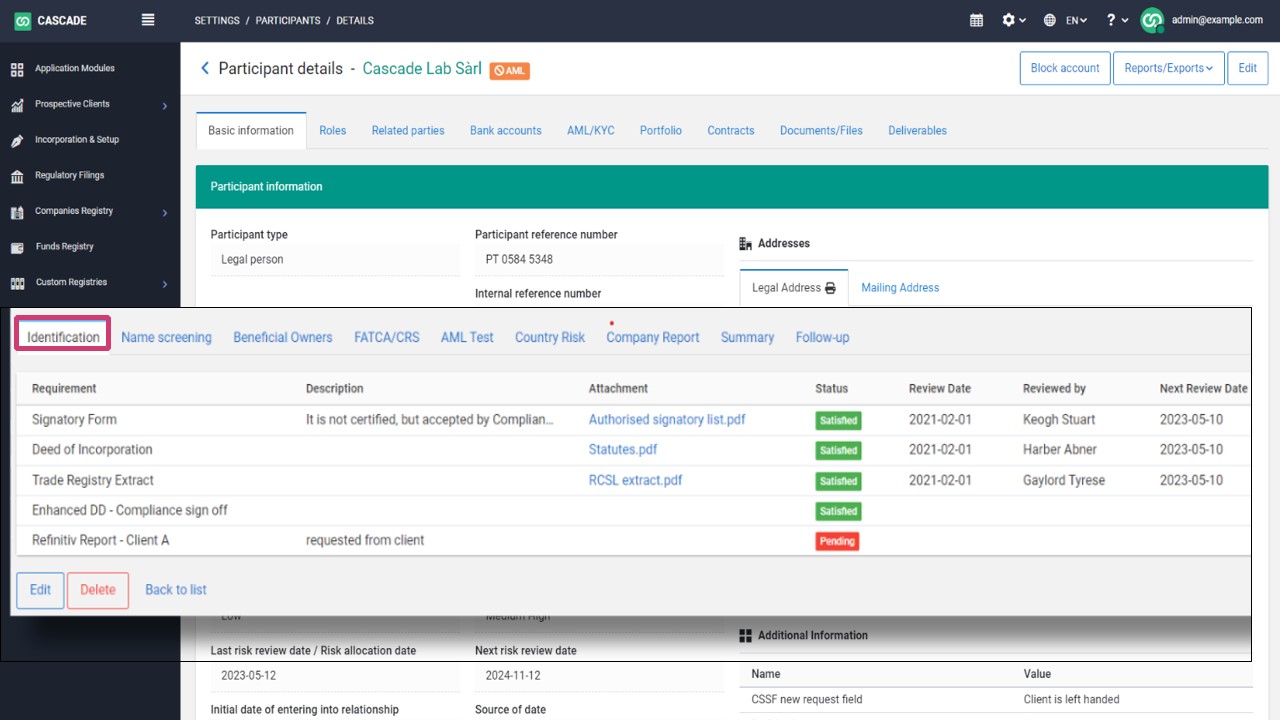
Cascade’s B2B compliance software platform operationalizes AML procedures by automating customer due diligence workflows, standardizing transaction monitoring protocols, documenting suspicious activity investigations, and maintaining systematic audit trails, transforming an operating manual from a policy document into a working, auditable system.
Disclaimer
This article is for general information only and based on publicly available sources at the time of writing. We have made our best effort to ensure accuracy and relevance to USA financial services AML compliance, but FinCEN regulations, FFIEC guidance, and business requirements can change. Cascade does not provide legal or compliance advice, and use of the Cascade platform does not guarantee regulatory compliance. Always verify key details against current FinCEN publications and the FFIEC BSA/AML Examination Manual, and consult with a qualified compliance specialist or legal advisor before making compliance or vendor decisions.


 English
 English (Australia)
 English (UK)