AML file review sampling and compliance audit procedures for UK-regulated legal practices
AML file review sampling is the systematic examination of client onboarding files and matter documentation at predetermined intervals to verify that anti-money laundering due diligence procedures have been consistently applied. UK law firms must operationalize risk-based file review sampling to meet SRA expectations and maintain audit-ready evidence of compliance execution.
This guide explains how UK legal practices implement file review sampling within their AML KYC workflows, the regulatory expectations governing compliance audit procedures, and practical methods to systematize file review sampling to reduce manual administration while maintaining demonstrable control effectiveness.
Introduction
UK solicitors operate under one of the world’s most demanding regulatory regimes. The Solicitors Regulation Authority (SRA) expects law firms to demonstrate evidence that anti-money laundering due diligence procedures are consistently applied across all client matters. File review sampling is the operational mechanism that translates this regulatory expectation into systematic evidence collection.
Without structured file review sampling, compliance teams operate reactively, examining files ad hoc and leaving no auditable record of control testing. When the SRA conducts compliance visits, firms discover gaps in client identification, beneficial ownership verification, or transaction monitoring documentation only during inspection rather than detecting them proactively.
This resource explains the regulatory foundation for file review sampling, outlines a practical implementation framework, and demonstrates how compliance software can systematize file selection, evidence collection, and audit trail management to strengthen your AML control environment.
What is AML file review sampling?
AML file review sampling is a compliance control procedure that selects a representative subset of client files at regular intervals (typically monthly or quarterly) and examines them against documented due diligence standards. The review verifies whether client identification was completed, beneficial ownership was assessed, screening was performed, transaction monitoring parameters were configured, and all procedures were documented and timestamped.
File review sampling serves two purposes: it tests whether AML controls are functioning in practice rather than existing only on paper, and it creates auditable evidence that compliance procedures are being followed consistently. Results inform control remediation and identify training gaps.
Why it matters for UK law firms
UK legal practices face two regulatory pressures regarding file review sampling:
Regulatory accountability
The SRA’s Handbook rules on anti-money laundering require firms to maintain systems and controls demonstrating that AML procedures are applied consistently. File review sampling provides the documented evidence that regulators expect. Without it, firms cannot credibly demonstrate control effectiveness.
Operational efficiency
Manual, spreadsheet-based file review creates inconsistency. One compliance officer assesses files against one standard; another uses different criteria. Reviews lack time stamps and supporting evidence. When control gaps are discovered, firms cannot identify when procedures changed or why.
Systematic file review sampling addresses both pressures by embedding standardized review procedures into documented workflows, automating sample selection, and creating audit-ready evidence of control testing.
SRA and file review requirements
The SRA’s AML Handbook expects law firms to implement systems and controls demonstrating consistent anti-money laundering compliance. File review sampling is recognized as a core control testing mechanism.
Key regulatory expectations:
Control testing
Firms must perform periodic testing of client files to verify that AML procedures documented in policy have been executed in practice.
Sample objectivity
Samples must be selected objectively and proportionately cover the firm’s client base. Risk-based sampling (higher frequency for high-risk clients) is acceptable and encouraged.
Documentation and evidence
File reviews must be documented with findings, testing date, reviewer identity, and action items. All evidence must be retained for inspection.
Remediation
Where file reviews identify control gaps or procedural failures, firms must document remediation steps and follow up to verify completion.
File review sampling process
Step 1: Establish sampling criteria and risk-based parameters
Define which files are reviewed and at what frequency. Risk-based sampling allocates effort proportionately:
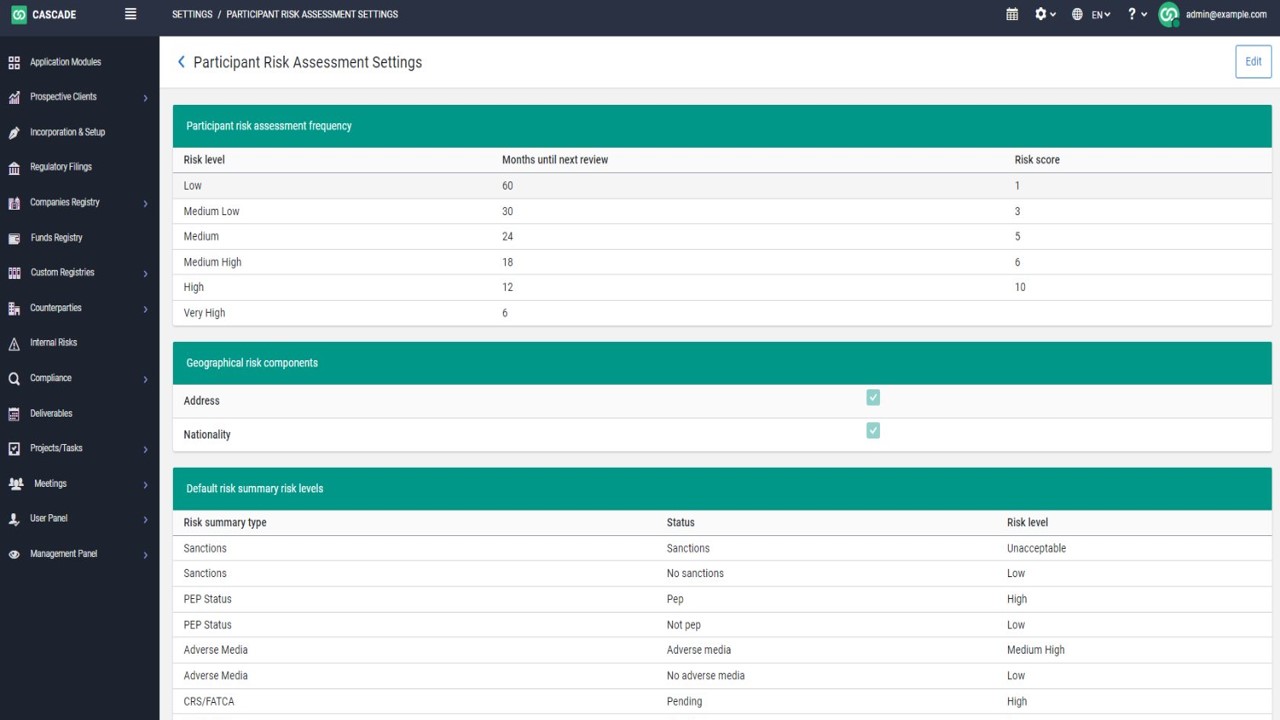
- High-risk clients (PEPs, sanctioned jurisdictions, complex beneficial ownership): 100% review within 12 months
- Medium-risk clients: 25-30% random sample quarterly
- Low-risk clients: 10-15% random sample annually
Document the sampling methodology so it is defensible and repeatable.
Step 2: Configure sampling and file selection
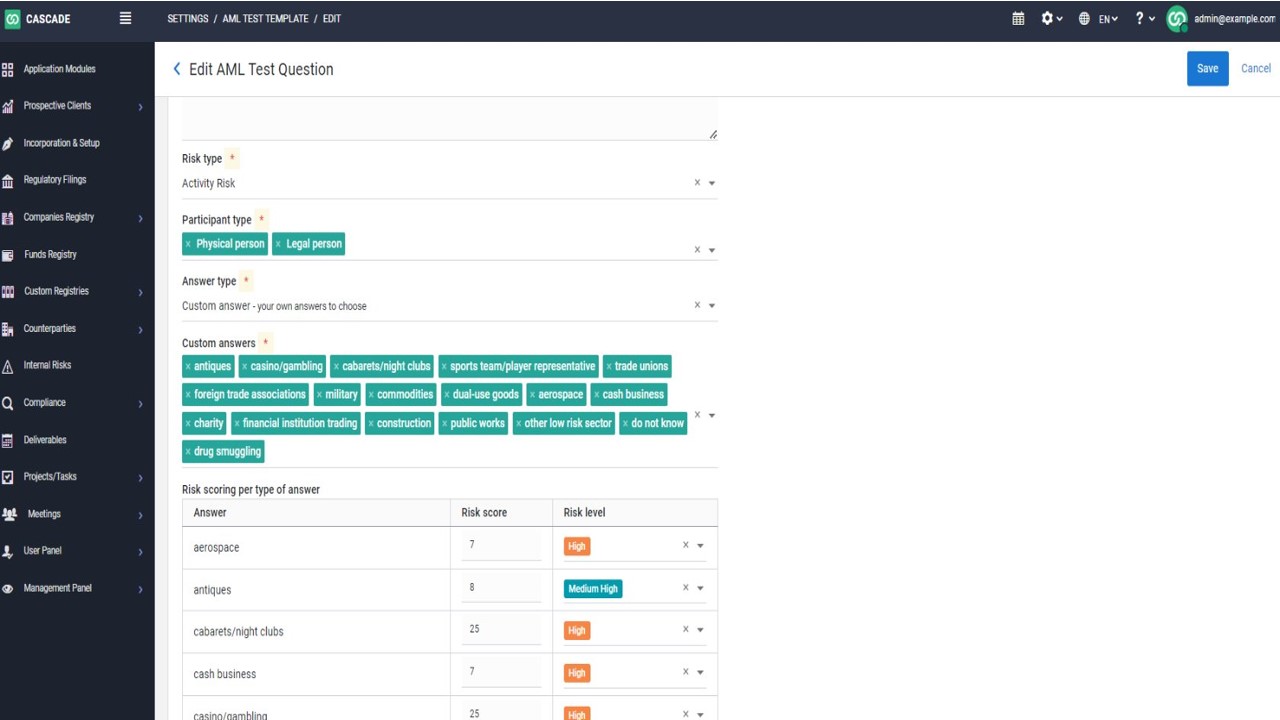
Use your compliance system to automatically generate randomized file samples monthly or quarterly. Automated selection eliminates bias and creates time-stamped evidence of sample dates. Link samples to risk ratings so high-risk clients are prioritized.
Step 3: Standardize review procedures and evidence collection
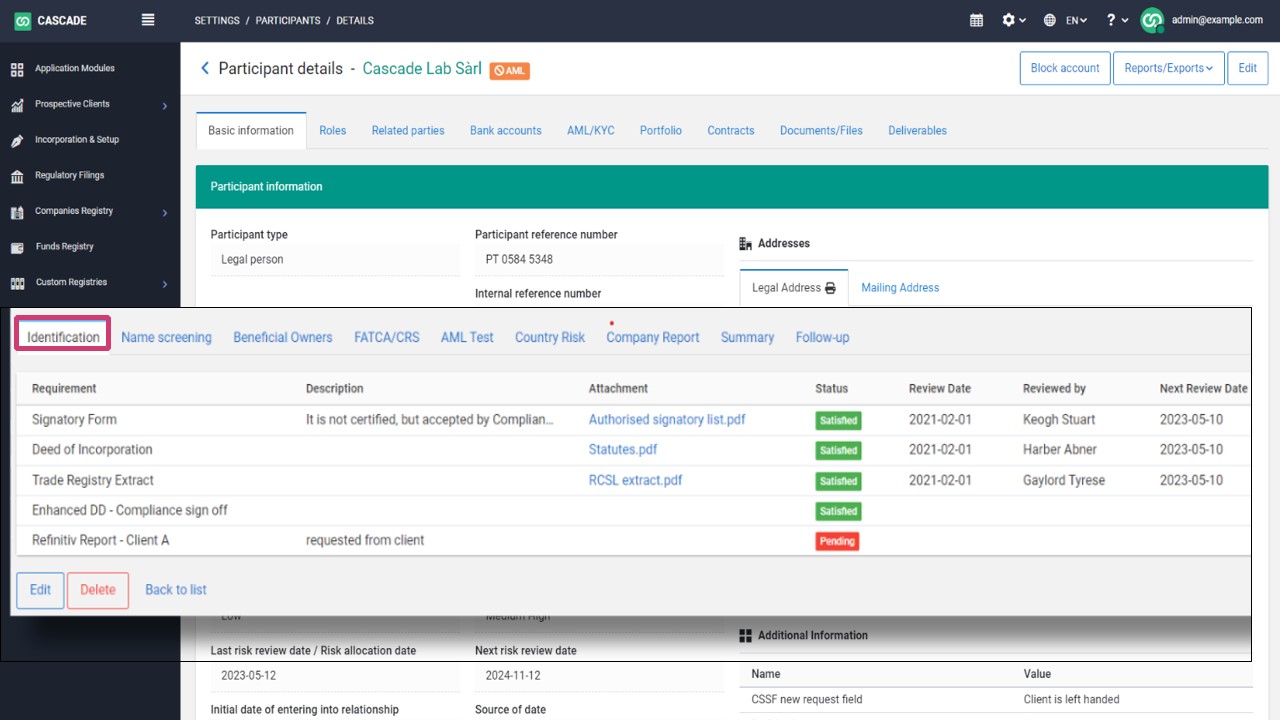
Establish a documented file review checklist covering:
- Client identification documents verified
- Beneficial ownership assessment completed and current
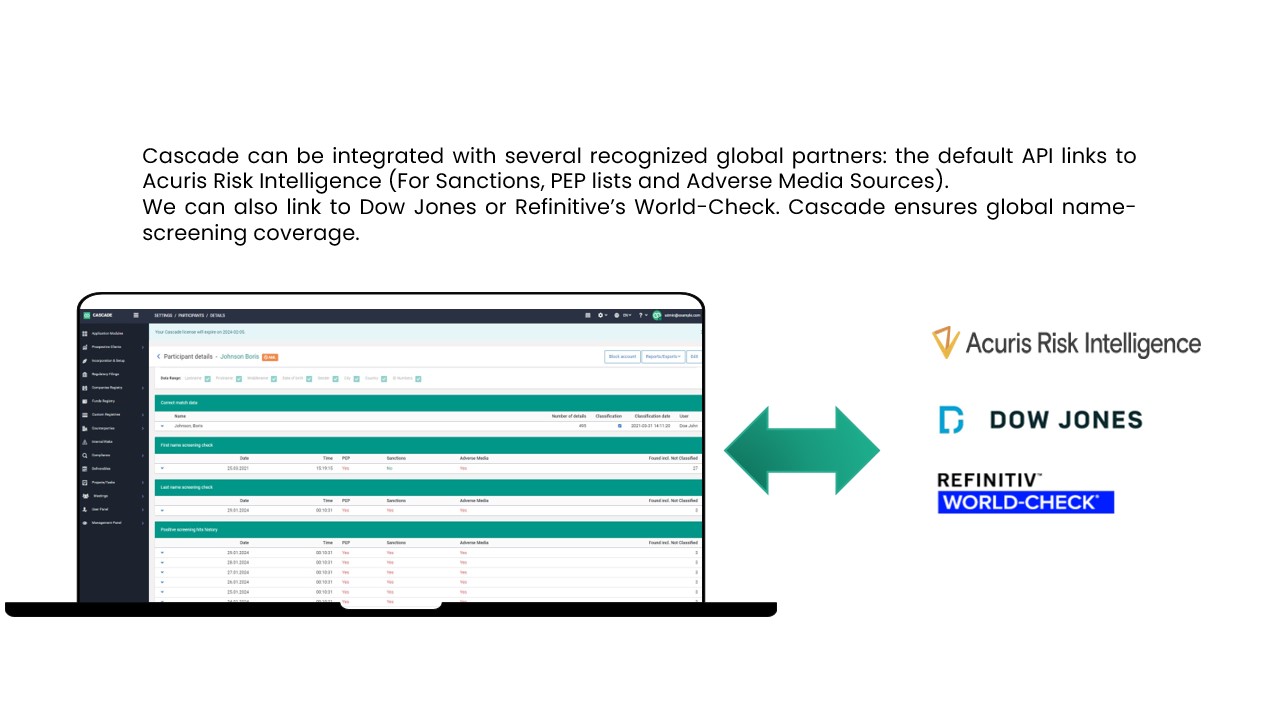
- Sanctions and adverse media screening performed at onboarding and periodic intervals
- Transaction monitoring configured or exemption documented
- All procedures timestamped and linked to supporting evidence
Step 4: Document findings and track remediation
Record review findings in writing with specific control gaps identified. Assign remediation owners with deadlines. Follow up on completion. Escalate persistent gaps to the MLRO.
AML file review sampling matrix
| Risk Category | Sample Size (Annual) | Review Frequency | Key Documentation Reviewed | Escalation Trigger |
|---|---|---|---|---|
| High-Risk | 100% | Quarterly or upon alert | ID verification, UBO assessment, sanctions results, transaction monitoring, ongoing monitoring notes | Any missing or incomplete procedure |
| Medium-Risk | 25-30% | Semi-annually | ID documents, beneficial ownership confirmation, screening dates, monitoring frequency | Out-of-date beneficial ownership, missed screening refresh |
| Low-Risk | 10-15% | Annually | Client ID, basic beneficial ownership, initial screening | None, unless material changes occur |
Common challenges and practical solutions
Challenge: Manual spreadsheet sampling lacks objectivity
File selection is not randomized; reviewers unconsciously select easier files or familiar clients. The audit trail is incomplete.
Solution: Implement automated, risk-stratified sample selection in your compliance platform. The system generates samples objectively, records selection dates, and links to client risk ratings.
Challenge: Inconsistent review standards
Different reviewers apply different checklist standards. One reviewer accepts verbal beneficial ownership confirmation; another requires documentary evidence. Findings are inconsistent.
Solution: Establish written review procedures with mandatory evidence standards. Implement a secondary review for a sample of completed reviews to validate consistency.
Challenge: Weak audit trail and evidence retention
Review findings are documented in email or handwritten notes. Supporting evidence is fragmented across folders. Regulators cannot easily verify testing rigor.
Solution: Capture all reviews in your compliance system with automatic time-stamping. Link to supporting documentation (client files, screening reports). Generate audit-ready review reports on demand.
Best practices for file review sampling
- Assign clear ownership: the MLRO oversees the sampling framework; a compliance officer executes reviews; a second-line function validates consistency
- Automate sample selection so bias is eliminated and sampling is repeatable
- Document review procedures with specific evidence requirements and decision criteria
- Perform a secondary review of 10-15% of completed reviews to validate reviewer consistency
- Track remediation items and follow up within 30 days
- Report file review findings to senior management monthly, highlighting gaps and remediation status.
Frequently asked questions
How large should file review samples be?
Sample size depends on firm size and risk profile. As a baseline: high-risk clients should be reviewed 100% within 12 months; medium-risk clients 25-30% randomly sampled; low-risk clients 10-15% annually. Ensure samples are statistically meaningful: at minimum 20-30 files per quarter for medium-sized firms.
How often should files be reviewed?
High-risk clients should be reviewed at least quarterly. Medium-risk clients semi-annually minimum. Low-risk clients annually. More frequent review is appropriate if regulatory guidance changes or control gaps are discovered.
What documentation must be retained from file reviews?
Retain review date, reviewer name, files sampled, findings (by control area), and any control gaps identified. Retain supporting evidence: client files reviewed, screening reports, beneficial ownership assessments, and transaction monitoring configurations. Maintain records for a minimum of 6 years.
Should file review sampling include transaction monitoring verification?
Yes. File reviews should verify that transaction monitoring parameters were configured at onboarding and that monitoring is continuing for active clients. Review recent transaction reports and monitoring alerts to assess monitoring effectiveness.
What is Cascade, and how does it simplify AML/KYC compliance?
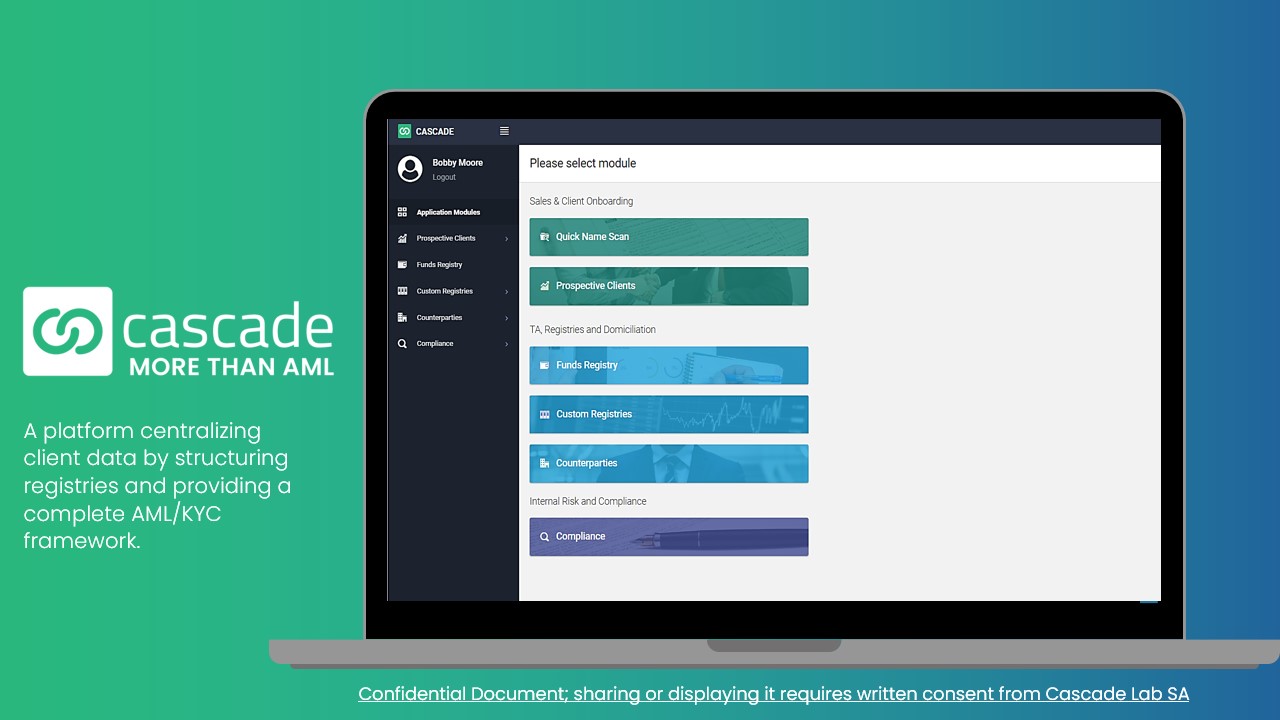
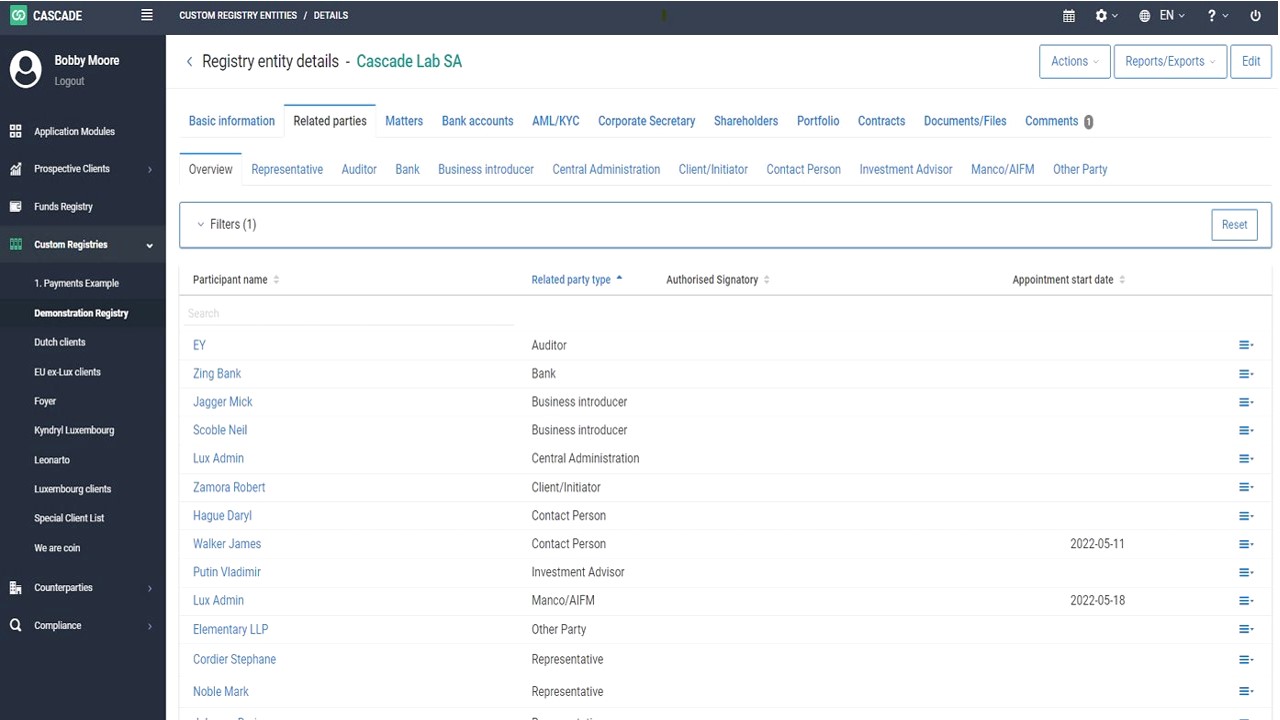
Cascade is an end-to-end AML software (SaaS platform) that centralizes client data and supports AML/KYC workflows from onboarding and risk assessment through to ongoing monitoring and reporting. It helps compliance teams standardize processes, manage documents and screening, apply risk-based workflows, and maintain an audit trail of actions and decisions.
Who can benefit from using Cascade?
Cascade supports organisations with AML/KYC obligations, including financial services firms, fintechs, wealth managers, law firms and corporate service providers.
How does Cascade ensure data security and regulatory compliance?
Cascade provides controlled workflows, activity logging and audit trails to support traceable AML/KYC processes. Compliance still depends on your policies, configuration and applicable regulations.
How can I get started with Cascade?
Book a demo with Cascade to discuss your AML/KYC requirements, explore the platform and identify how it can support your workflows.
Explore Cascade’s AML capabilities
UK law firms managing file review sampling across spreadsheets and fragmented file repositories face significant operational friction. File review sampling should be systematic, objectively sampled, and integrated with client risk ratings so that control testing effort is proportionate and auditable.
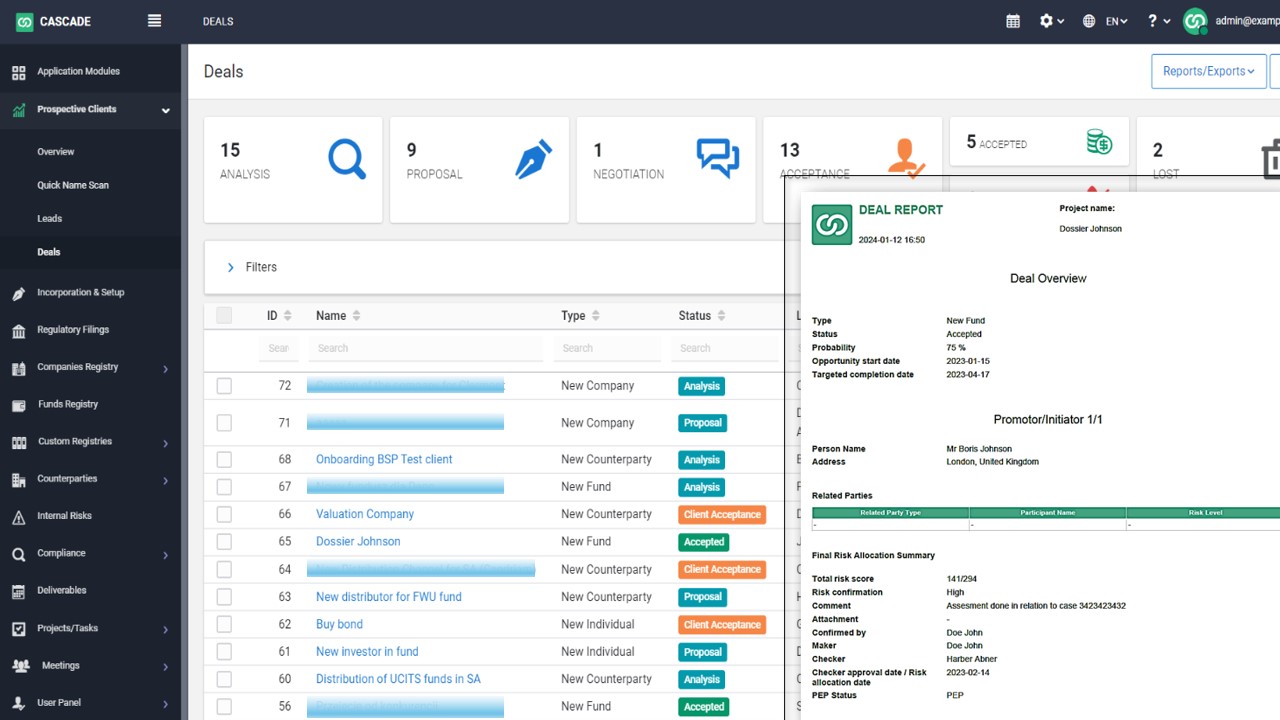
Cascade is purpose-built to automate risk-based sample selection, standardize review procedures across your compliance team, and create audit-ready evidence of control testing. By linking file reviews to client risk profiles and maintaining automatic audit trails of review findings, Cascade enables your compliance team to demonstrate SRA-ready file review sampling with minimal manual administration.
To see how Cascade can operationalize your file review sampling framework and strengthen your AML control environment, explore Cascade’s AML capabilities.
Disclaimer:
This article is for general information only and based on publicly available sources and regulatory guidance at the time of writing. We have made our best effort to ensure accuracy and relevance to UK law firm AML compliance, but SRA regulations, guidance, and business requirements can change. Always verify key details against current SRA publications and consult with a qualified compliance specialist or legal advisor before making compliance or vendor decisions.



 English
 English (Australia)
 English (UK)