A step-by-step checklist to avoid delays and select the right vendor
Compliance teams evaluating AML software often face project delays that cost months and budget. These delays rarely stem from a lack of vendor options. Instead, they come from incomplete requirements, misaligned stakeholder expectations, and procurement processes that don’t account for compliance-specific complexity. This guide provides a practical checklist to help you navigate AML software procurement without the typical pitfalls that extend timelines, inflate costs, and leave teams frustrated at go-live.
What is AML procurement, and why is it different from standard software buying?
AML procurement is not a generic software selection process. You’re not just purchasing features, you’re selecting a partner that will integrate into your compliance operating model, connect to your data ecosystems, and remain your responsibility during regulatory exams. Unlike typical B2B SaaS purchases, AML software decisions carry legal and operational risk if misconfigured or poorly implemented. A procurement process that skips critical evaluation steps, leaves requirements vague, or doesn’t involve compliance stakeholders from day one will inevitably stall during implementation, customization, or go-live.
Why procurement delays happen: the common mistakes
Most delays occur due to preventable breakdowns early in the process.
| Mistake | Impact | Prevention |
|---|---|---|
| Incomplete requirements gathering | Vendor responses miss key needs. Evaluation drags on. | Start with a documented AML operating model and translate it into specific software requirements before the RFP. |
| Wrong stakeholders at the table | Finance drives decisions based on cost alone. Compliance needs are discovered late. | Involve MLRO, the Compliance Officer, IT, and business leads from the requirements phase onward. |
| Vague evaluation criteria | All vendors look equally good or equally bad. The committee can’t decide. | Define the scoring rubric upfront with weighted criteria (e.g., 30% workflow capability, 20% integration readiness, 20% cost, and 30% vendor stability). |
| No proof of concept or sandbox testing | Vendor claims capability; implementation team discovers it doesn’t work as described. | Budget 2-3 weeks for hands-on testing with your actual data workflows before final selection. |
| Data readiness assumed but not verified | Implementation stalls because data quality, formats, or integration points weren’t identified. | Conduct a data audit and integration assessment in parallel with procurement, not after vendor selection. |
| Unclear implementation scope and timeline | The contract is signed, but expectations on customization, training, and go-live differ between the vendor and your team. | Define a detailed statement of work with specific deliverables, timelines, and owner accountability before signing. |
| No executive sponsorship or budget commitment | Procurement stalls while funding is confirmed. Vendor timeline assumptions slip. | Secure executive sign-off on the budget and go-live date before kicking off the RFP. Document it in writing. |
The AML procurement regulatory lens
Regulators don’t directly approve your vendor choice, but they will examine your procurement diligence during an audit. Expect regulators to ask:
- Did you conduct a needs assessment aligned with your risk profile and regulatory requirements?
- Did you evaluate vendors against documented criteria?
- How do you ensure the vendor’s service levels and security meet your compliance obligations?
- Have you tested the software’s capability to generate required reports and audit trails?
A well-documented procurement process becomes your defense if regulators question your choice or if the software later fails to deliver expected controls.
Step-by-step AML procurement checklist
Step 1: Define requirements from your operating model
Map your documented AML operating model to specific software requirements. For each major workflow (customer onboarding, alert investigation, SAR reporting, ongoing monitoring), list the features and integrations you must have. Distinguish between “must have,” “should have,” and “nice to have.” This becomes your RFP foundation.
Step 2: Assemble the procurement committee and assign roles
Include the MLRO or Compliance Officer (decision authority on compliance capability), the CFO or Finance Lead (budget and cost control), the Head of Operations (implementation feasibility), the Head of IT (security, integration, and data management), and a key compliance analyst (end-user perspective). Define who owns the evaluation, who scores, and who makes the final call.
Step 3: Document evaluation criteria and scoring rubric
Create a scorecard with weighted criteria such as compliance feature completeness, user experience and analyst adoption, data integration capability, vendor stability and roadmap, implementation support and SLA commitments, security and compliance certifications, and total cost of ownership over 3 years. Assign weights (e.g., 30%, 20%, 15%) based on your priorities. Finalize this rubric before inviting vendors to demo.
Step 4: Run a focused RFP process with structured vendor responses
Issue a detailed RFP based on your requirements checklist. Limit vendors to written answers, then invite 3 to 5 finalists to demo. Each demo should follow the same scenario (e.g., “Walk through your platform handling this specific alert workflow using your system”). Ask vendors to commit in writing to specific capabilities, timelines, and pricing. Avoid vague promises.
Step 5: Conduct hands-on testing and due diligence
Insist on a sandbox environment where your team runs your actual workflows. Test alert tuning, case escalation, reporting, and data integrations. Ask the vendor about their implementation team capacity, typical project timelines, and hidden costs (training, custom development, data migration). Check references with similar-sized firms in your jurisdiction.
Step 6: Negotiate and finalize contract terms
Before contract negotiation, confirm in writing the vendor’s specific commitments on the go-live date, customization scope, training hours, support SLA, data security measures, and warranty on reported capabilities. Ensure the contract includes a detailed statement of work with measurable deliverables and dates. Build in a pilot phase (e.g., one business unit for 30 days) before full rollout so you can assess fit before full commitment.
Step 7: Secure executive sign-off and funding
Document approval from your CFO and Chief Compliance Officer with the budget committed and go-live date locked in. Share the approved scorecard and vendor recommendation with the board or audit committee if required. This step prevents delays from surprise budget or timeline challenges later.
Best practices to keep procurement on track
✅ Set a procurement timeline upfront (typically 8 to 12 weeks) and hold vendors and internal stakeholders accountable to it.
✅ Use a single point of contact on your team to manage all vendor communication, preventing scope creep from multiple stakeholders asking different questions.
✅ Run procurement and data assessment in parallel, not sequentially. Data readiness should not be a surprise at implementation kickoff.
✅ Involve compliance operators (not just leadership) in vendor demos so end-users validate that the software actually supports their workflows.
✅ Document every significant decision, vendor commitment, and assumption in writing. Email summaries after meetings. This prevents “he said, she said” disputes during implementation.
✅ Anticipate that implementation will take longer than the vendor estimates. Budget a 20 to 30 percent time buffer into your go-live timeline.
Common procurement challenges and how to avoid them
Challenge 1: Procurement takes longer than expected because too many internal approvals are required. Solution: Map your approval chain before launching RFP. Confirm budget and executive sponsorship upfront so approvals move quickly.
Challenge 2: Vendors overpromise and then claim custom development is required to deliver. Solution: During due diligence, ask vendors which features require customization. Request a breakdown of setup effort (hours, cost) for each feature. Clarify in the contract what counts as “standard configuration” vs. paid custom work.
Challenge 3: Your organization can’t agree on a single vendor because different departments have conflicting priorities. Solution: Return to your weighted scorecard and hold the committee to it. If departments disagree on weights, escalate to your CFO or Chief Compliance Officer for tiebreaking, then document the decision and move forward.
Challenge 4: Data integration complexity emerges late, threatening go-live. Solution: Run a data integration pilot in parallel with procurement. If APIs or data quality issues surface, you’ll know before signing the vendor contract, not after.
Frequently asked questions
How long does AML software procurement typically take?
Most procurement cycles run 8 to 12 weeks from RFP launch to contract signature, assuming executive sponsorship and clear requirements. Delays often come from incomplete requirements gathering (add 2 to 4 weeks) or committee indecision (add 2 to 8 weeks). Budget accordingly.
Should we include an RFP, or can we just demo vendors we like?
For AML software, an RFP is essential. It forces vendors to articulate their capabilities in writing, it creates a documented record of what they committed to, and it structures the evaluation so personal preference doesn’t dominate. Skip the RFP, and you risk selecting based on demo flash rather than actual capability.
How many vendors should we evaluate?
Typically 3 to 5. Fewer than 3 means you don’t have real options. More than 5 becomes administratively heavy and extends the timeline. Shortlist aggressively based on initial research, then evaluate the finalists thoroughly.
What is Cascade, and how does it simplify AML/KYC compliance?
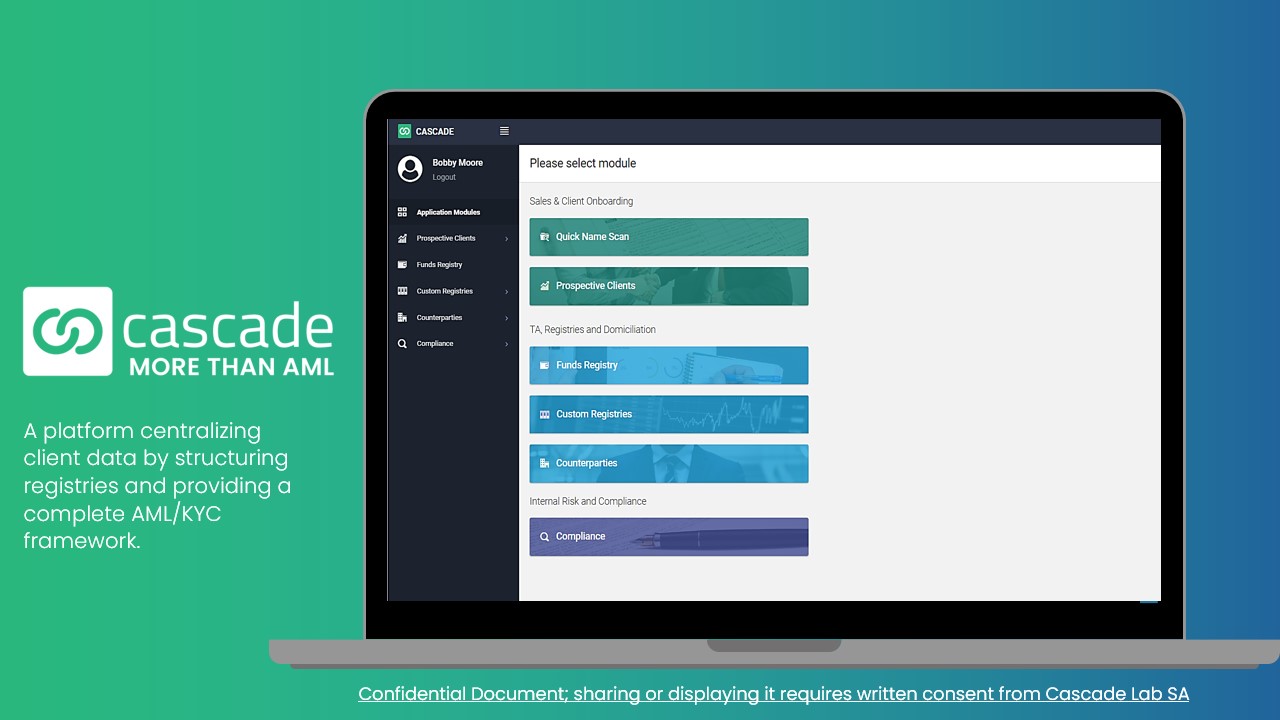
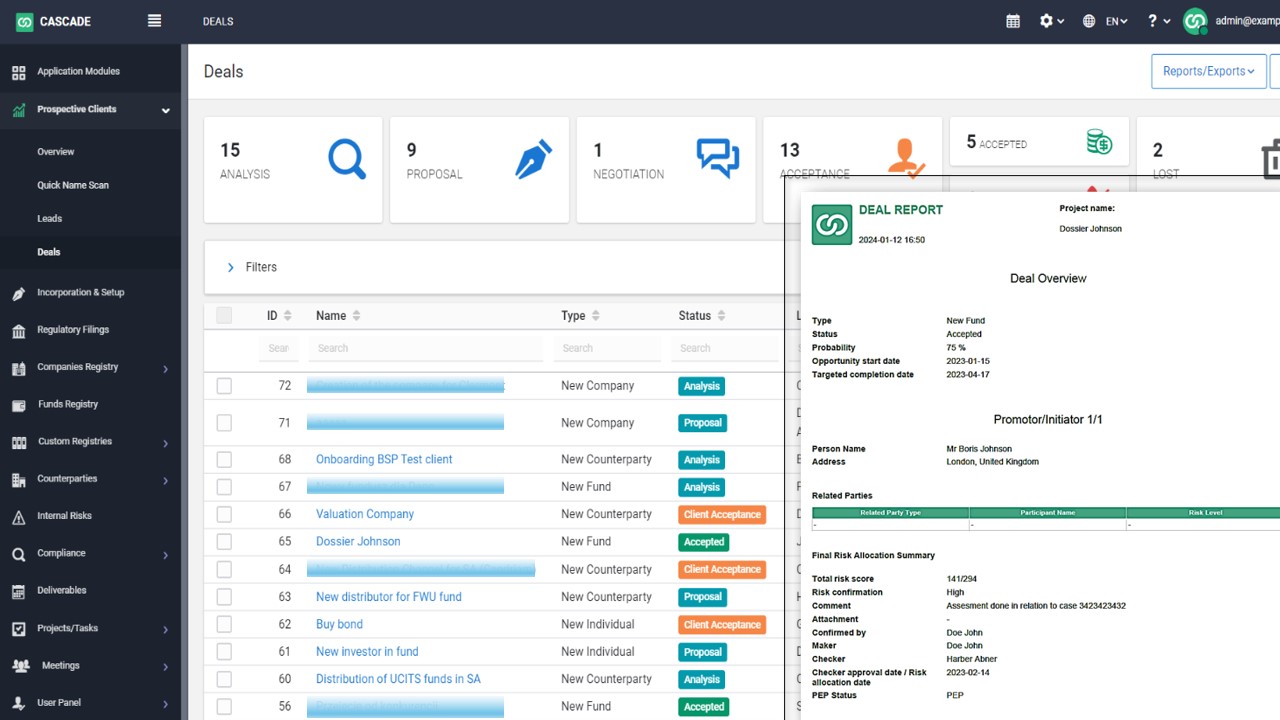
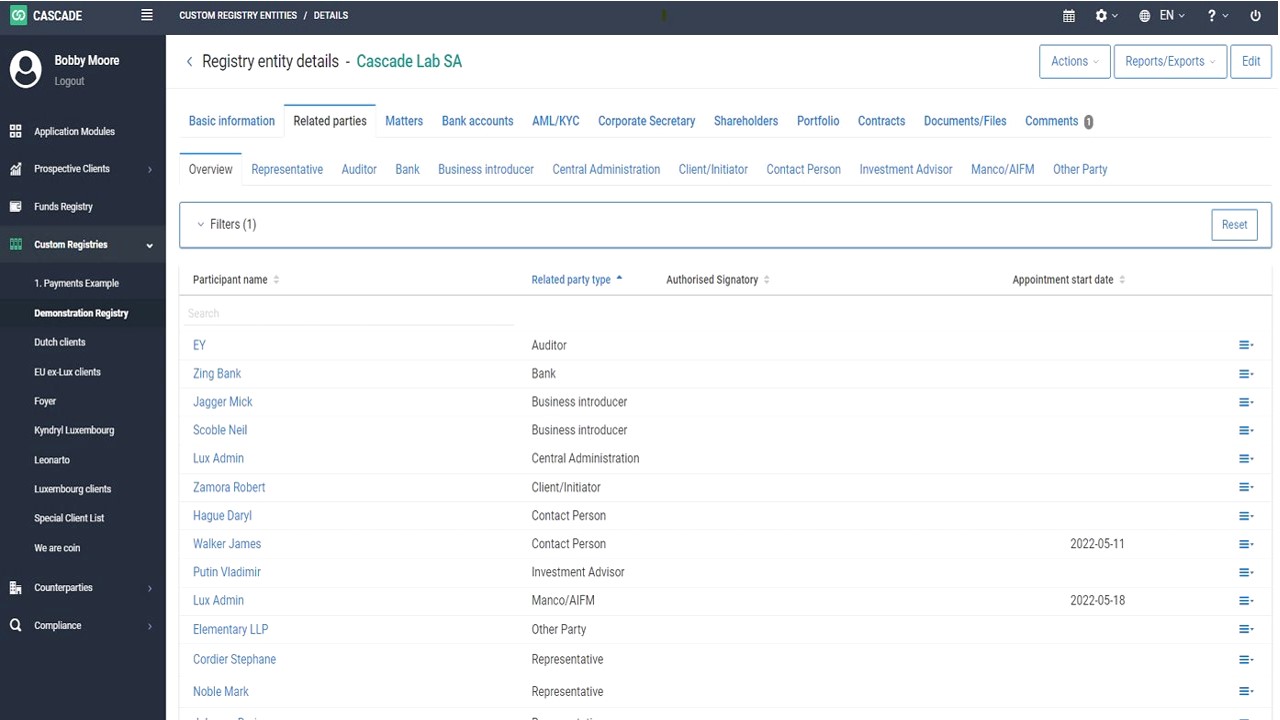
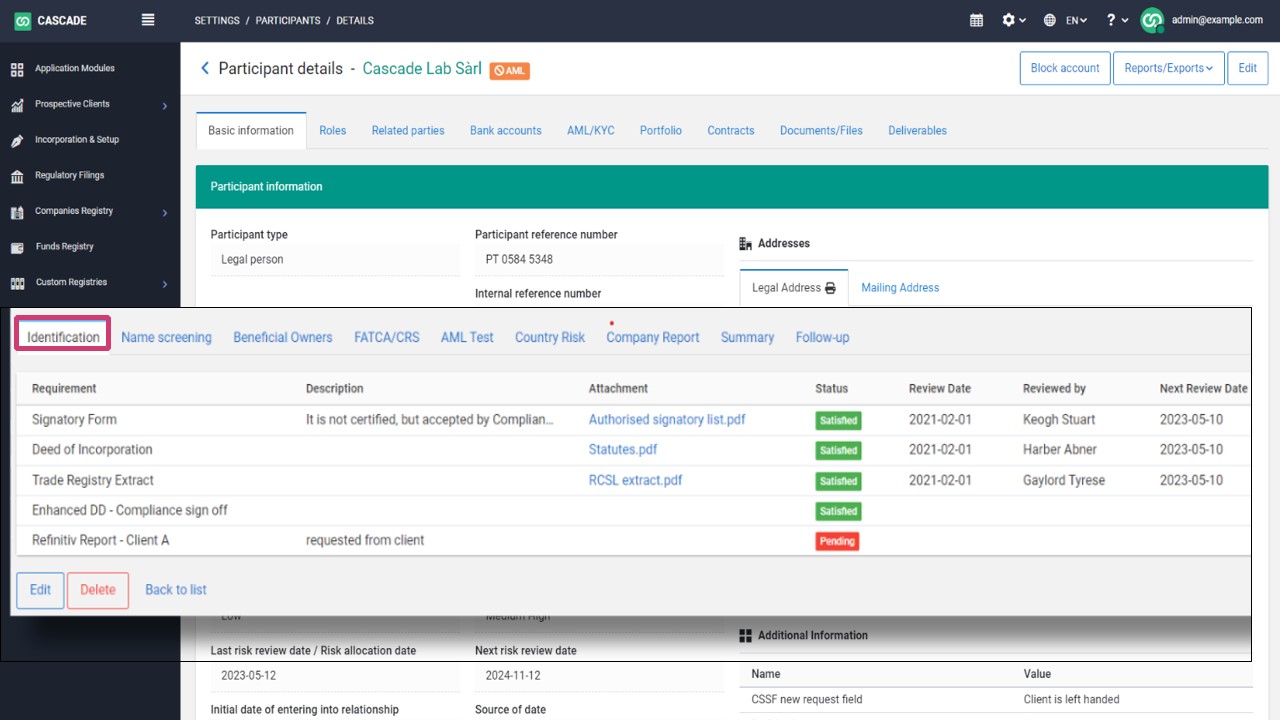
Cascade is an end-to-end AML Software (SaaS Platform) that centralizes client data and supports AML/KYC workflows from onboarding and risk assessment through to ongoing monitoring and reporting. It helps compliance teams standardize processes, manage documents and screening, apply risk-based workflows, and maintain an audit trail of actions and decisions.
Who can benefit from using Cascade?
Cascade supports organizations with AML/KYC obligations, including financial services firms, fintechs, wealth managers, law firms and corporate service providers.
How does Cascade ensure data security and regulatory compliance?
Cascade provides controlled workflows, activity logging and audit trails to support traceable AML/KYC processes. Compliance still depends on your policies, configuration and applicable regulations.
How can I get started with Cascade?
Book a demo with Cascade to discuss your AML/KYC requirements, explore the platform and identify how it can support your workflows.
Explore Cascade’s AML capabilities
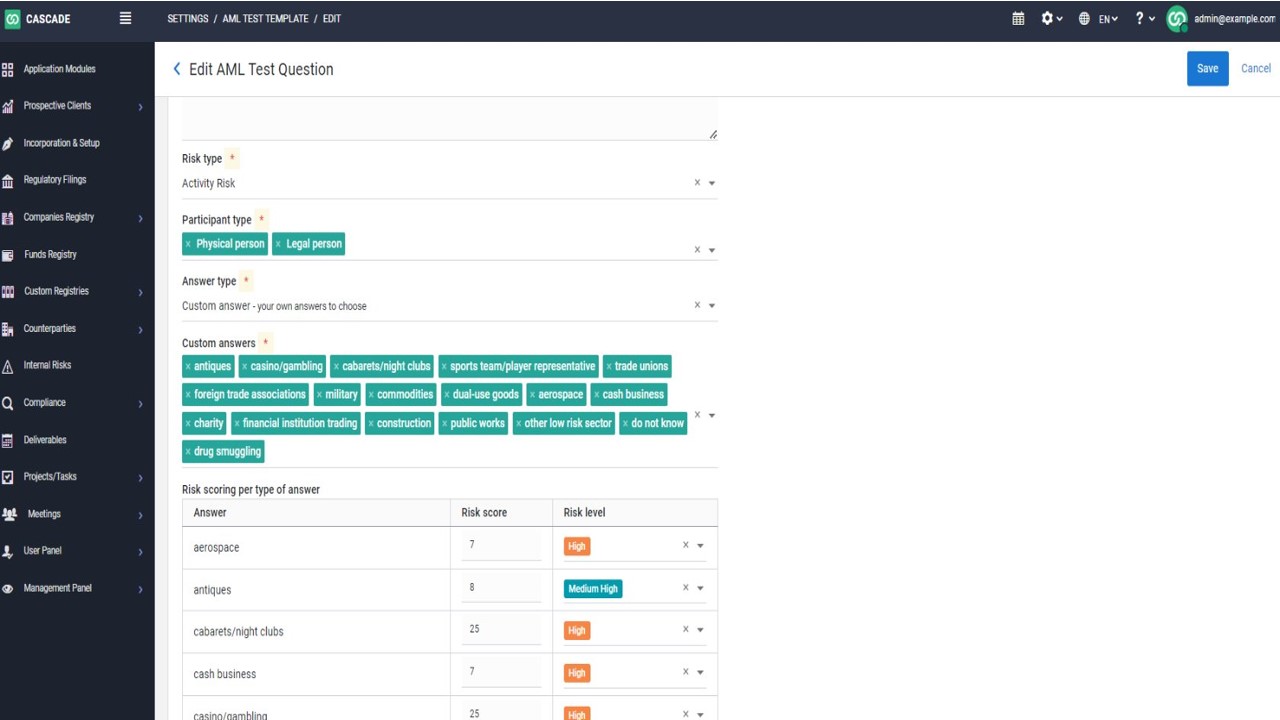
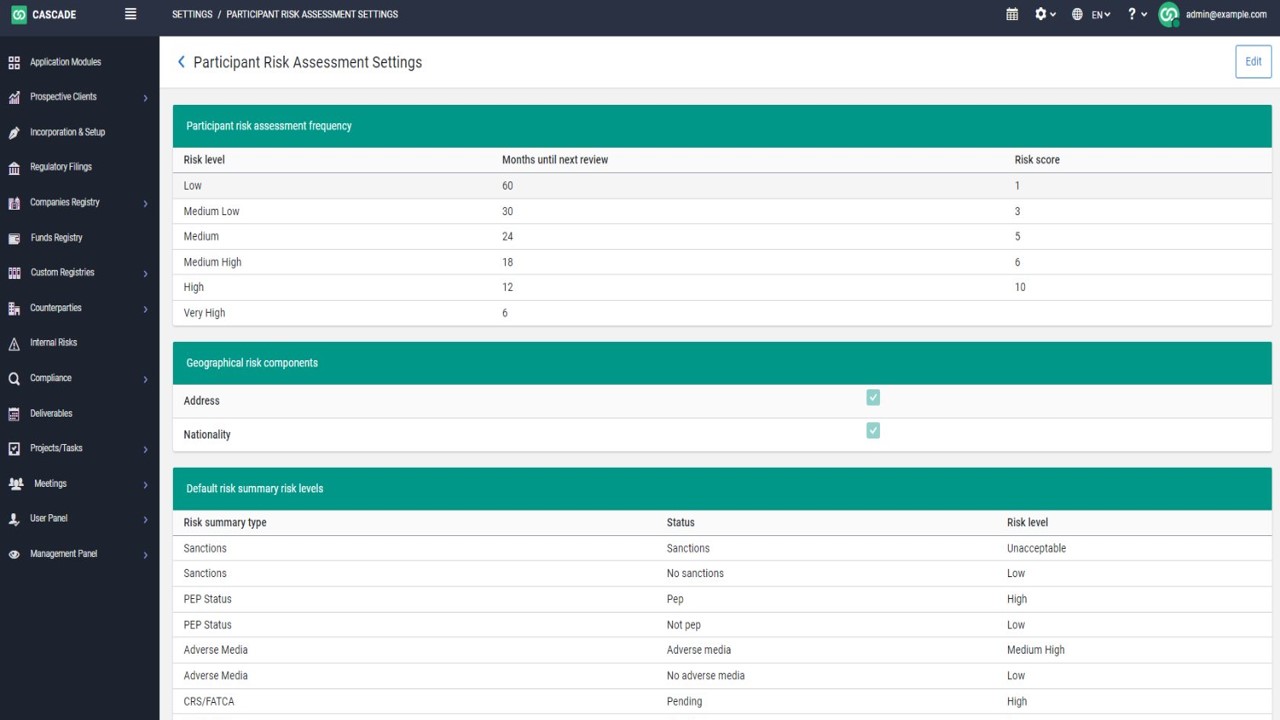
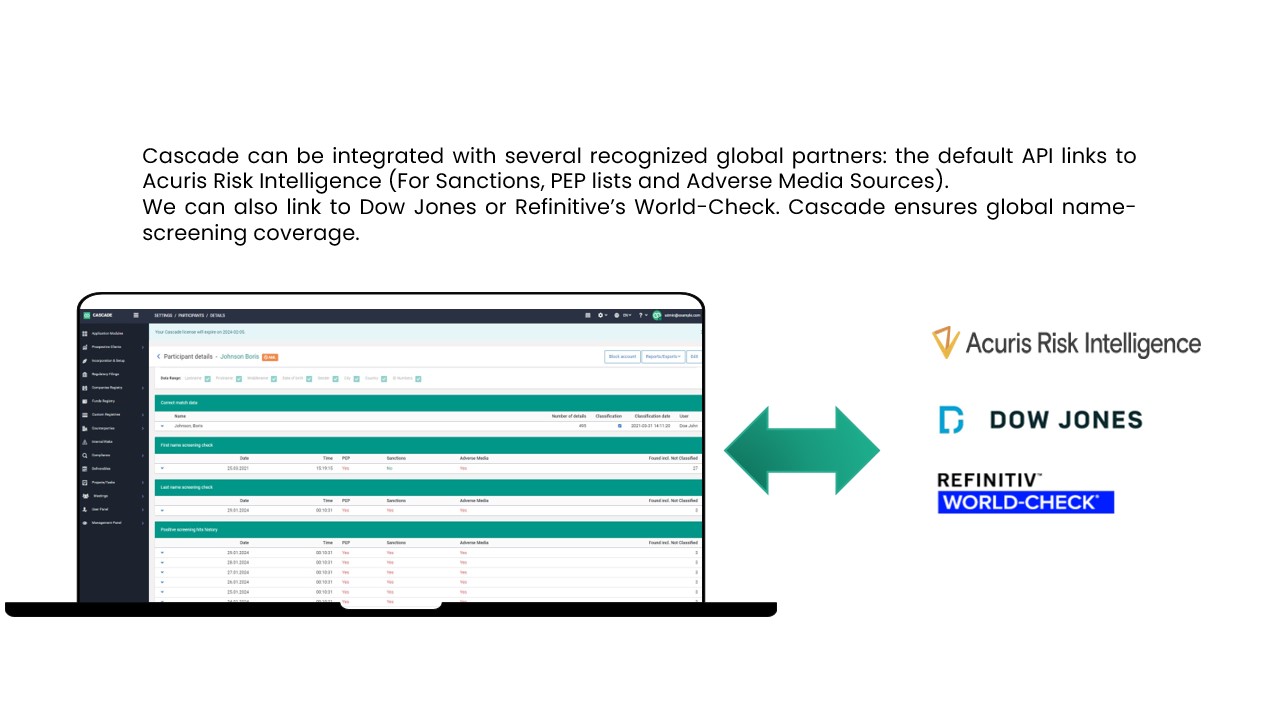
If you’re currently evaluating AML software, the procurement checklist above will help you make a defensible, disciplined choice. Cascade is designed to accelerate your procurement process by providing clear answers to your critical questions during the evaluation phase. The platform offers comprehensive workflow management, native data integrations, detailed audit trails, and transparent pricing with no hidden customization surprises.
Ready to accelerate your procurement? Schedule a demo with Cascade to discuss your specific requirements and see how the platform compares against your evaluation criteria.
Disclaimer
This article is for general information only and based on publicly available sources at the time of writing. We’ve done our best to make it accurate and useful, but AML rules and business needs can change. Always double-check key details with your Compliance Officer, MLRO, or qualified legal expert before making compliance or vendor decisions.


 English
 English (Australia)
 English (UK)