Introduction
Fund managers operate under pressure to onboard investors quickly while maintaining robust CDD and ongoing monitoring controls. Manual AML workflows, spreadsheet-driven onboarding, email-based approvals, and fragmented screening records create two failures: operational slowness that pressures staff to shortcut controls and audit trail gaps regulators flag as control weaknesses. AML workflow automation for funds encodes control requirements into repeatable processes, generates audit trails automatically, and accelerates decision-making without sacrificing integrity.
What is AML workflow automation for funds?
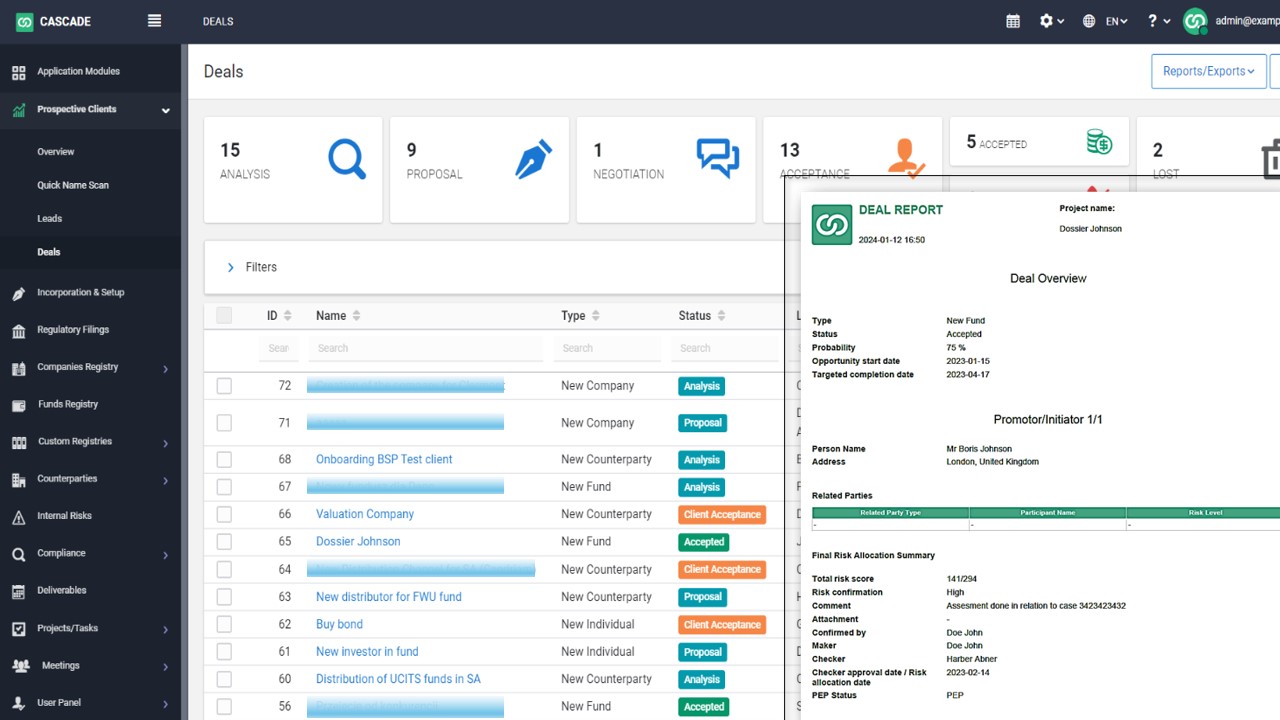
AML workflow automation for funds integrates risk-based decision logic, screening, and approval workflows into a system that removes manual handoffs and maintains contemporaneous documentation. Automated workflows trigger CDD and ongoing monitoring based on investor profile, attach screening results and approvals automatically, and generate compliance reports without rework. Outcome: consistent control execution, documented decision trails, and 30-70 percent reduction in manual compliance labour.
Why it matters for fund management
Manual processes slow onboarding by days or weeks, creating pressure to shortcut due diligence. Fragmented screening records and email approvals create audit trail gaps regulators flag as control weaknesses. Automated fund AML workflows reduce onboarding time to hours, generate audit trails that pass regulatory scrutiny, and free compliance teams to focus on escalations rather than data entry.
Key takeaways
- Manual AML processes in fund management create twin failures: operational inefficiency that generates pressure to shortcut controls, and audit trail fragmentation that regulators flag as control weaknesses.
- Workflow automation encodes risk-based decision logic, embeds screening and approval requirements at the point of action, and generates audit trails automatically, enabling faster onboarding without sacrificing control.
AML workflow automation matrix: manual processes versus automated frameworks
| Process metric | Manual spreadsheet-based | Automated fund compliance workflow |
|---|---|---|
| Investor onboarding time | 5-15 business days; multiple handoffs and email follow-ups | 2-4 business days; automated screening, CDD completion tracking, approval routing |
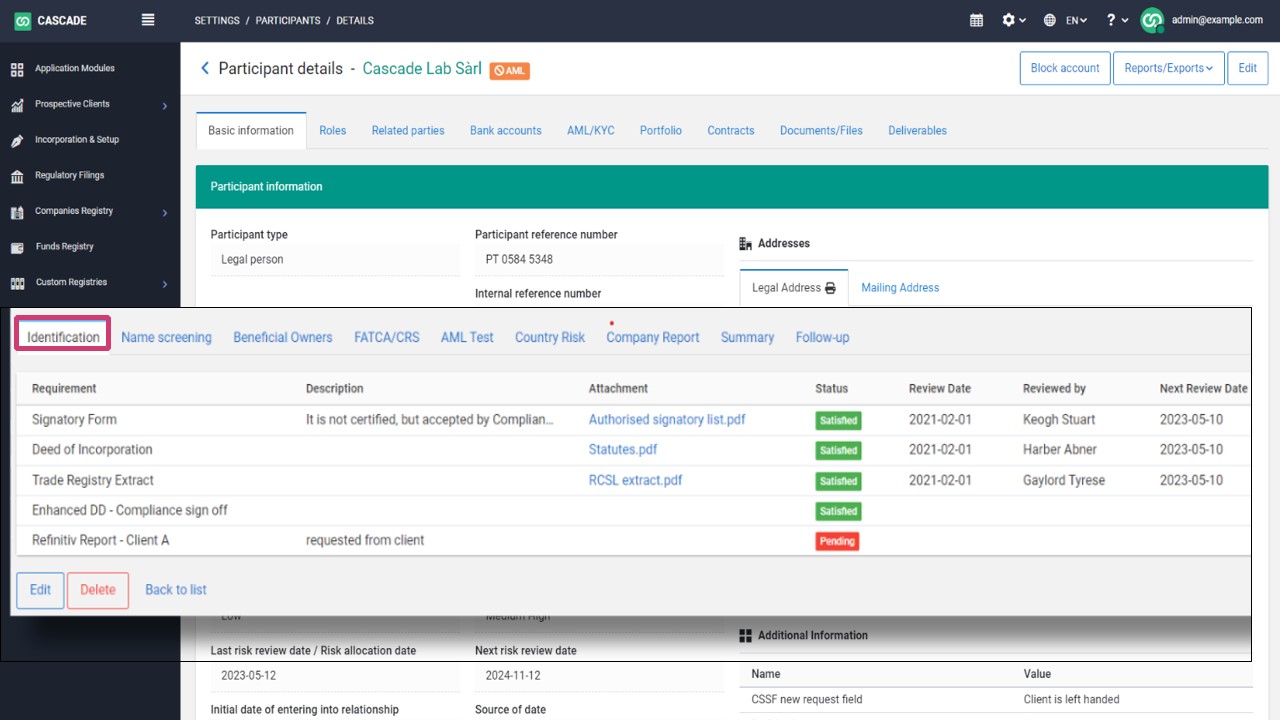
| Screening record completeness | Fragmented across email and CRM; supervisor sign-off often missing | Centralised, timestamped, linked to investor profile; approvals captured at decision point |
| Ongoing monitoring compliance | Annual reviews triggered by calendar reminders; often slip; evidence scattered | Automated scheduling based on risk profile; monitoring findings logged with investor record; trigger-based escalation |
| Audit trail reconstruction time | 6-15 hours per regulatory question; manually rebuilding approval chains | Real-time report generation; complete decision log with timestamps and user identities; 5-15 minute retrieval |
Implementation framework
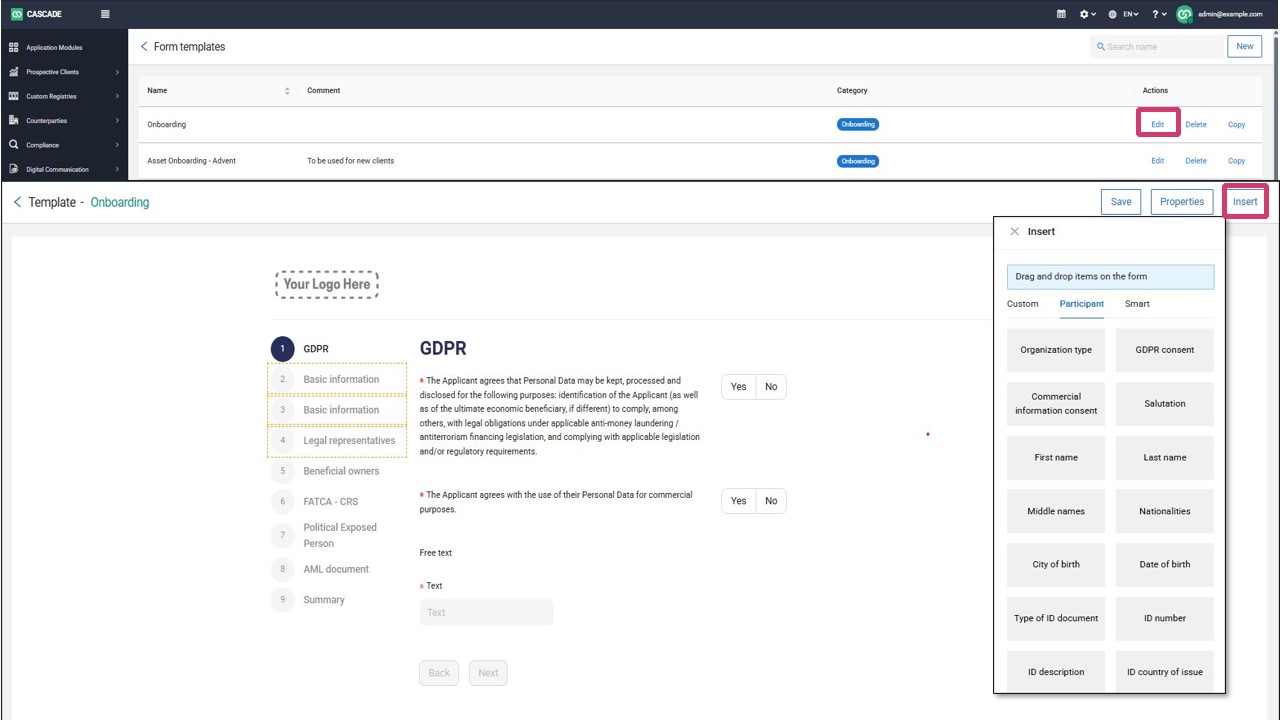
Step 1: Map onboarding control requirements. Document every decision point: eligibility screening, identification verification, beneficial ownership, source of wealth, sanctions and PEP screening, fund eligibility checks, and final approval. Build a control matrix that encodes requirements so every investor follows the same framework.
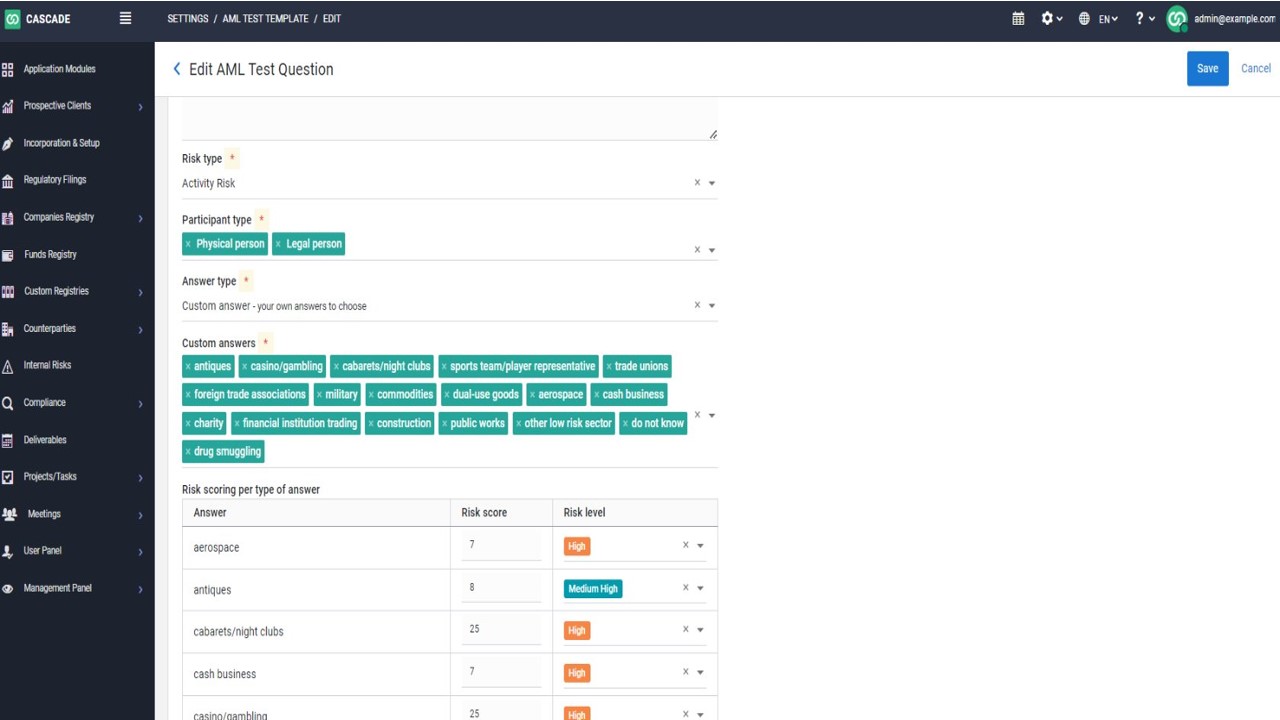
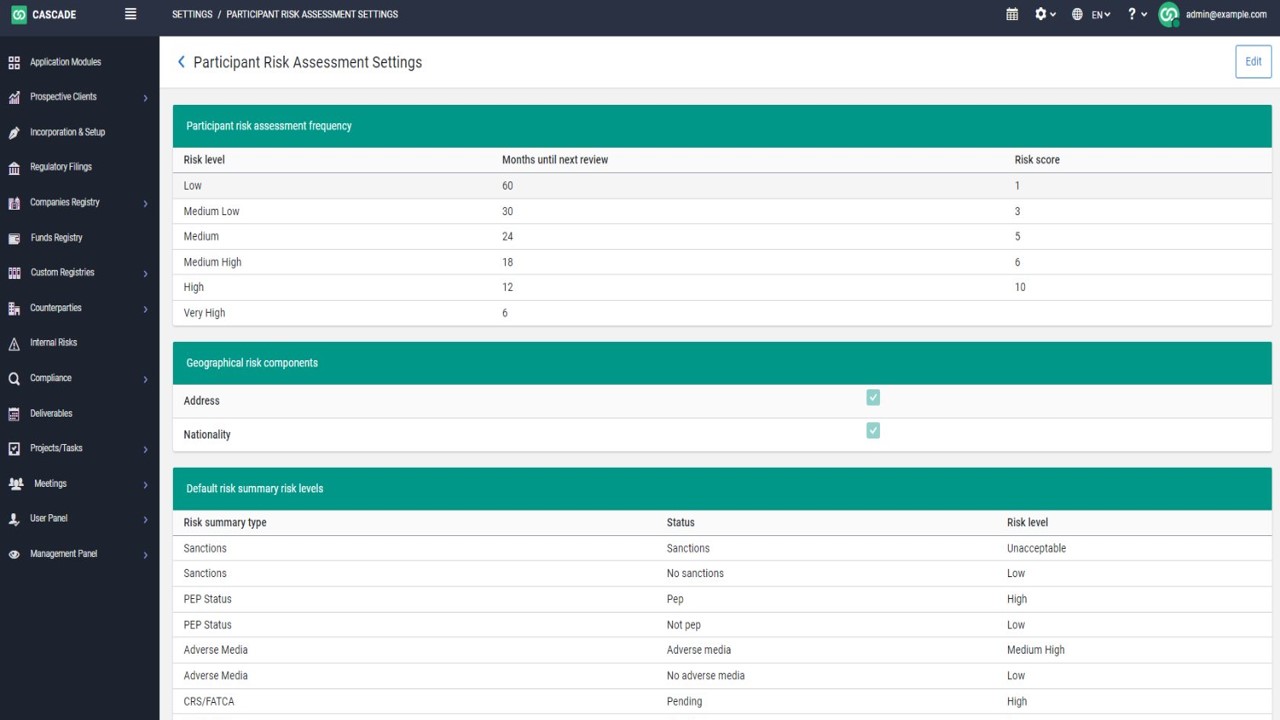
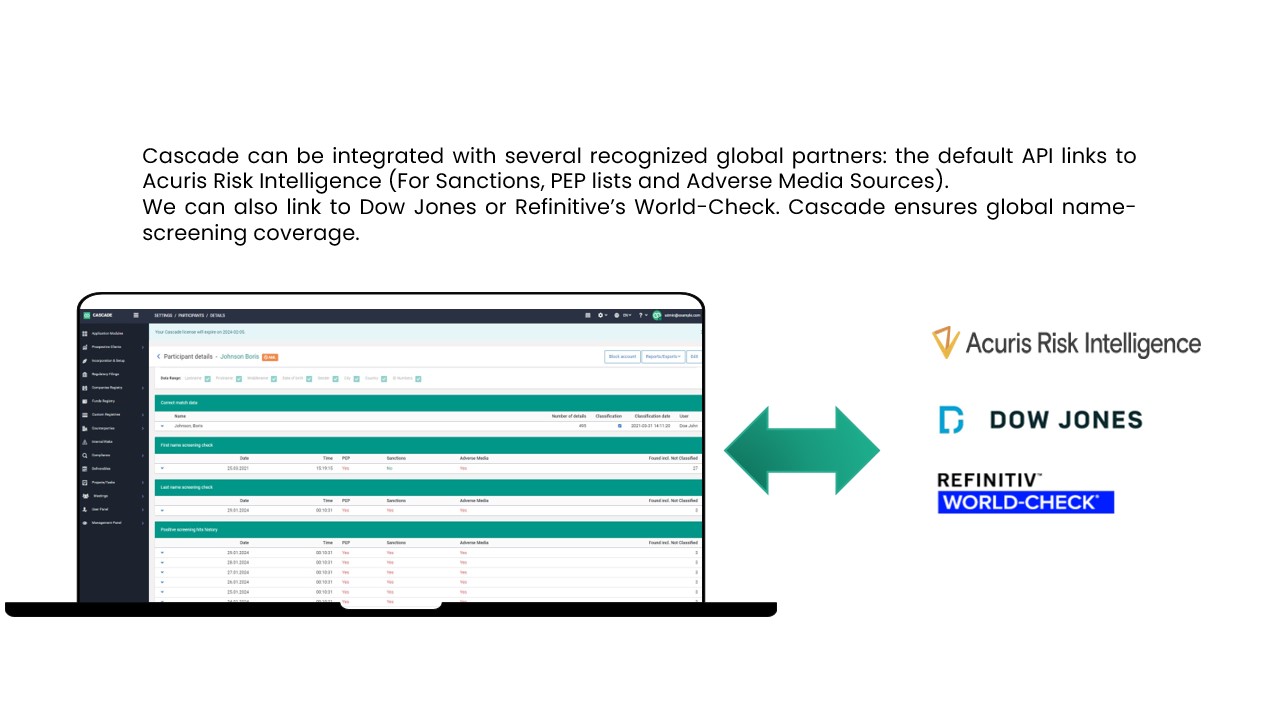
Step 2: Automate screening and risk-based routing. Configure screening to execute automatically. Route results based on risk level: low-risk auto-approve; high-risk escalate to senior compliance. Trigger follow-up actions based on outcome. Log all decisions with timestamps and approver identity.
Step 3: Embed contemporaneous approval workflows. Require digital approval at each control decision point before relationship proceeds. Automation captures approvals at decision time, not during audit season. Route high-risk cases to senior staff. Document decision rationale for regulatory review.
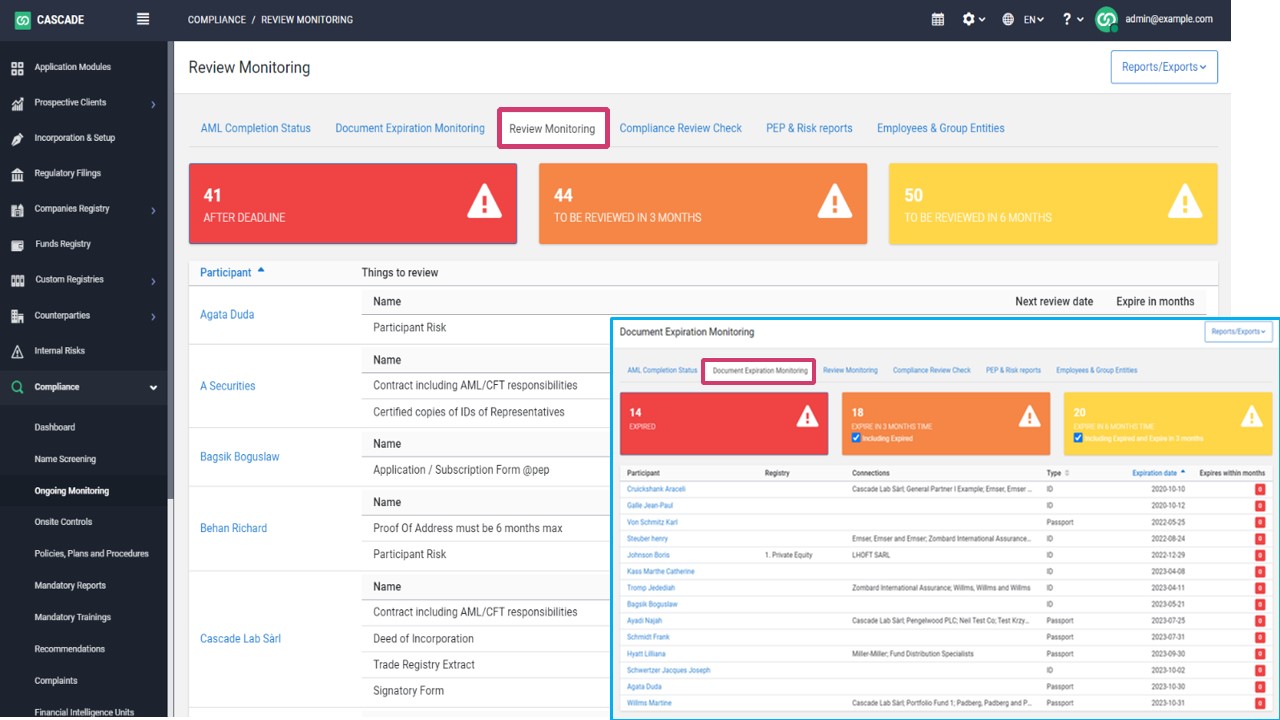
Step 4: Automate ongoing monitoring scheduling. Schedule periodic reviews based on risk profile. Trigger additional monitoring on transaction or activity changes. Attach screening refreshes and transaction analysis automatically. Generate compliance reports tracking review completion.
Best practices for automated fund workflows
Design role-based access so junior staff cannot approve high-risk cases. Build audit trail generation into every step. Test automation logic against historical cases to verify consistent routing. Document and log any manual overrides. Conduct quarterly audits to ensure control logic stays current with regulatory updates.
Common pitfalls when automating fund compliance
Automation creates false confidence.
Staff assume automation handles controls and stop exception review. Solution: Build exception escalation into workflows so automation flags outliers and senior staff remain engaged.
Workflow logic stagnates.
Regulatory requirements shift but automation stays static. Solution: Quarterly audits to update approval thresholds, risk scoring, and escalation rules.
Ongoing monitoring automation is incomplete.
Initial screening automation works, but periodic review automation is weak or disabled. Solution: Build ongoing monitoring and refresh scheduling as mandatory workflow triggers tied to customer lifecycle.
Staff bypass workflows for speed.
Operational pressure creates shadow processes outside automation. Solution: If staff consistently bypass automation, revisit workflow timing and redesign for faster execution.
Frequently asked questions
What does AML workflow automation look like for a mid-market asset manager?
Investor submits documentation via portal; workflow automatically triggers screening (OFAC, UN list, local equivalents), beneficial ownership verification, and accreditation check. Low-risk results auto-approve; high-risk results escalate to compliance officer with findings attached. Once approved, investor is added to periodic monitoring cycle. Timeline: 2-4 days instead of 10-15 days.
Does workflow automation create new compliance gaps if the system fails?
Automation is more reliable than manual processes because it executes the same steps every time. However, software bugs can affect all investors simultaneously rather than one case. Mitigation includes regular workflow testing, backup manual processes for outages, and high-risk case segregation for manual oversight.
Which AML processes should I automate first?
Start with high-volume, repetitive processes creating bottlenecks: investor onboarding, ongoing monitoring scheduling, and routine screening. Automate high-stakes workflows last (escalations, exceptions) because they benefit from human judgment.
What is Cascade and how does it simplify AML/KYC compliance?
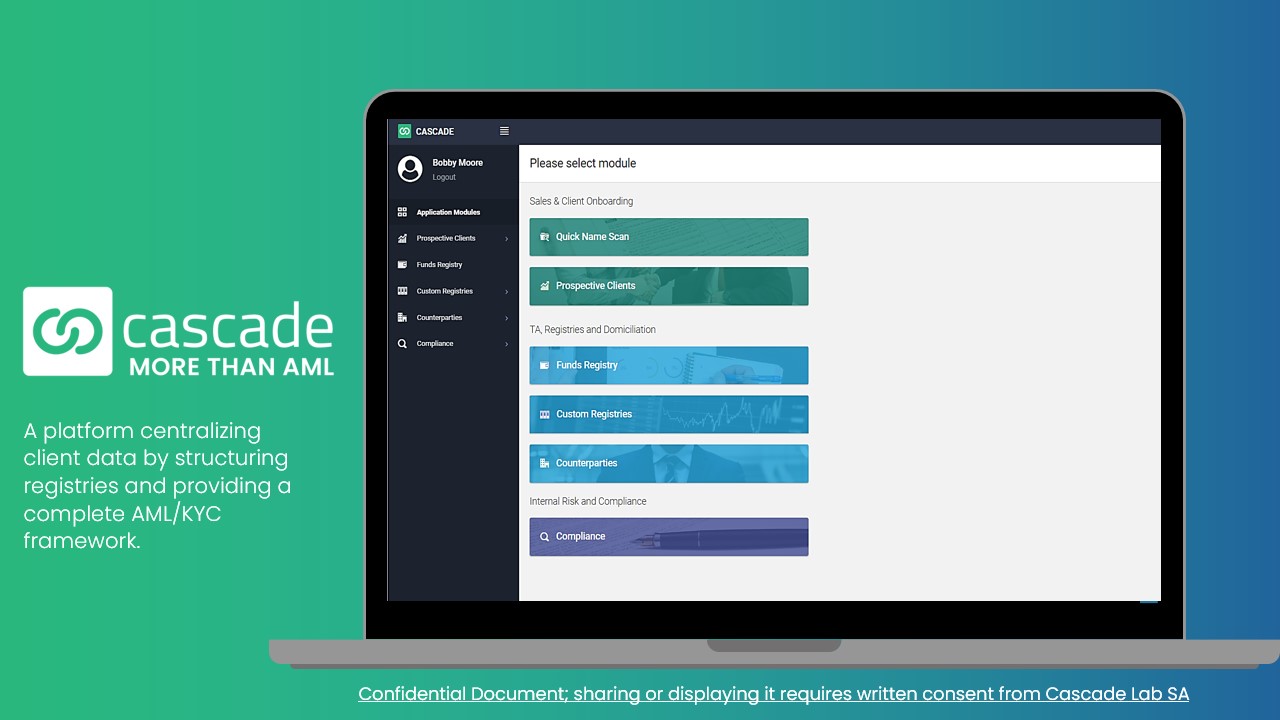
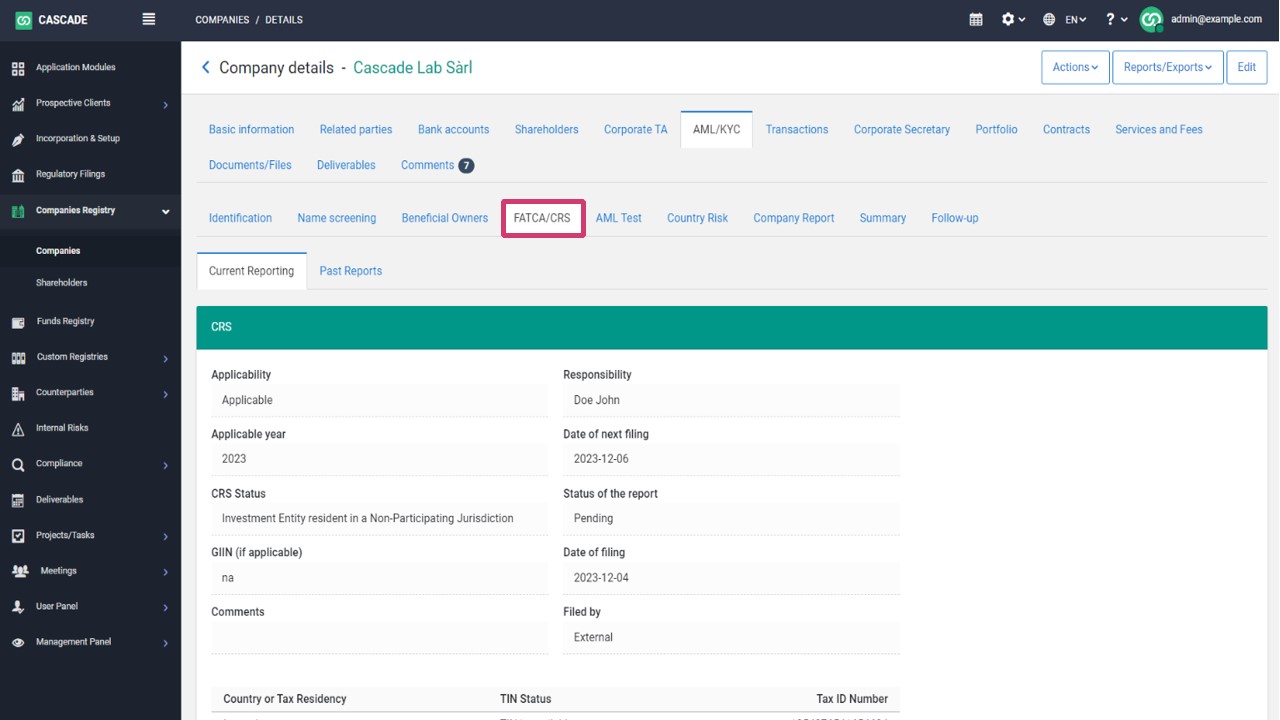
Cascade is an end-to-end AML software platform that centralises customer data and supports AML/KYC workflows from onboarding and risk assessment through to ongoing monitoring and reporting. It helps compliance teams standardise processes, manage documents and screening, apply risk-based workflows, and maintain audit trails of actions and decisions.
Who can benefit from using Cascade?
Cascade supports organisations with AML/KYC obligations, including financial services firms, fintechs, wealth managers, law firms, and corporate service providers.
How does Cascade ensure data security and regulatory compliance?
Cascade provides controlled workflows, activity logging, and audit trails to support traceable AML/KYC processes. Compliance depends on your policies, configuration, and applicable regulations.
How can I get started with Cascade?
Book a demo with Cascade to discuss your fund AML automation requirements and identify which workflows would benefit most from automation.
Explore Cascade’s fund compliance automation capabilities
Fund managers operating manual AML processes face constant competitive pressure to accelerate onboarding—pressure that often leads to shortcutting due diligence or creating audit trail gaps. Cascade automates investor screening, approval workflows, and ongoing monitoring scheduling while maintaining contemporaneous documentation and audit trails that satisfy regulatory expectations.
Explore Cascade to see how automated fund workflows reduce manual compliance work and strengthen control frameworks during regulatory examination.
Disclaimer
This article is for general information only and based on widely accepted AML/KYC principles and best practices in fund compliance. We have done our best to make it accurate and useful, but AML regulations and fund compliance requirements can vary by jurisdiction. Always double-check key details against your applicable regulatory framework and speak with a qualified compliance expert before implementing workflow automation. Cascade does not provide legal or compliance advice. Use of Cascade does not guarantee regulatory compliance; compliance depends on your policies, configuration, and adherence to applicable AML/KYC regulations.


 English
 English (Australia)
 English (UK)