How to build an AUSTRAC AML evidence index that passes regulatory scrutiny
Compliance teams across Australia spend weeks manually collating AML evidence scattered across email, spreadsheets, and filing systems, only to struggle during AUSTRAC examinations when regulators demand proof of customer due diligence decisions, ongoing monitoring actions, and risk assessments. An AUSTRAC AML evidence index template centralizes this documentation, creating a traceable record that satisfies AUSTRAC’s record-keeping expectations and reduces examination friction.
Introduction
AUSTRAC requires Australian financial institutions and DNFBPs to maintain detailed records demonstrating customer due diligence, enhanced due diligence (EDD), and ongoing monitoring compliance. An AUSTRAC AML evidence index is the operational backbone: a structured directory that maps every compliance action (risk assessment, screening, periodic review) to supporting documentation. Without one, audit trails fragment and regulatory findings multiply. This guide walks you through building an index that meets AUSTRAC’s evidentiary standards.
What is an AUSTRAC AML evidence index?
An AUSTRAC AML evidence index catalogues all evidence supporting customer due diligence, risk assessment, ongoing monitoring, and suspicious activity reporting decisions. It links each compliance action to supporting documents: identity verification, risk assessment forms, periodic review sign-offs, transaction reports, and screening records. The index demonstrates to AUSTRAC that compliance actions were documented contemporaneously and enables retrieval of evidence during examinations without manual reconstruction.
Why it matters for Australian regulated entities
AUSTRAC examination findings consistently highlight gaps in record-keeping and evidence traceability. Entities without centralized indexing struggle to demonstrate that CDD was completed before account opening, that EDD escalations were justified, and that periodic reviews followed risk-based timescales. Structured evidence indexes resolve examination questions in days, build AUSTRAC confidence, and reduce corrective action costs.
AUSTRAC regulatory framework
Under the Anti-Money Laundering and Counter-Terrorism Financing Act 2006 (AML/CTF Act), entities must retain records for seven years demonstrating customer identification verification (section 36), risk assessment documentation, all CDD, EDD, and ongoing monitoring records, transaction and suspicious matter reports, and audit trails. AUSTRAC’s Compliance Support Guide expects evidence stored with clear links to customer accounts and risk management decisions. Record-keeping obligations form the foundation of AUSTRAC’s examination procedures and enforcement expectations.
Key takeaways
- AUSTRAC examination findings cluster around missing or fragmented evidence: an indexed registry of all compliance decisions demonstrates contemporaneous documentation and accelerates examination resolution.
- Centralized evidence indexing links each risk assessment, screening result, and periodic review to supporting documents, reducing retrieval time from hours to minutes and eliminating post-examination rework.
AML evidence index matrix: manual versus automated indexing
| Indexing metric | Manual spreadsheet-based | Cascade automated audit trail |
|---|---|---|
| Evidence retrieval time | 4-8 hours per examination question | 5-15 minutes, automated report generation |
| Documentation gaps identified | Discovered during audit or examination (reactive) | Identified in real-time through workflow checks |
| Risk assessment audit trail | Scattered across emails and unsigned forms | Centralized, timestamped, linked to customer profile |
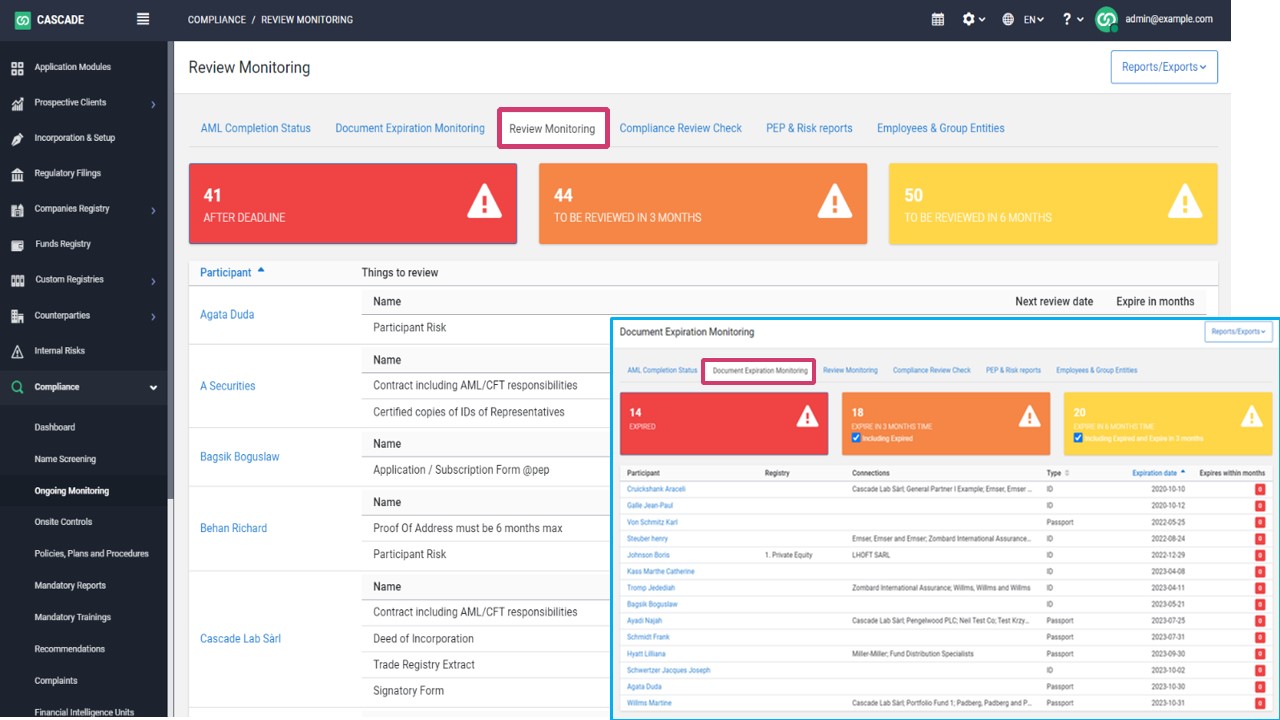
| Periodic review compliance | Manual tracking, high rework cost | Automated scheduling, completion tracking with evidence attachment |
Implementation framework
Step 1: Map evidence taxonomy.
Link each compliance decision type (risk assessment, PEP and sanctions screening, periodic reviews, and EDD escalations) to required evidence categories. Use a control matrix so staff apply consistent indexing.
Step 2: Build a centralized registry.
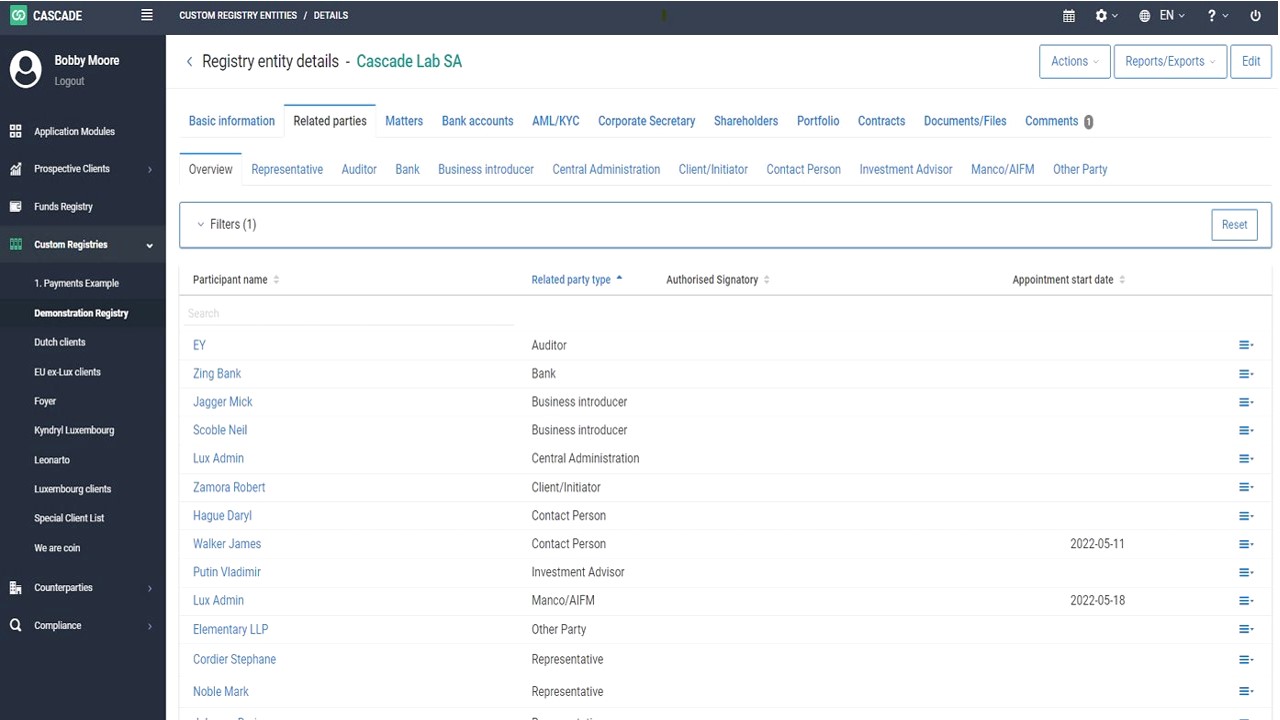
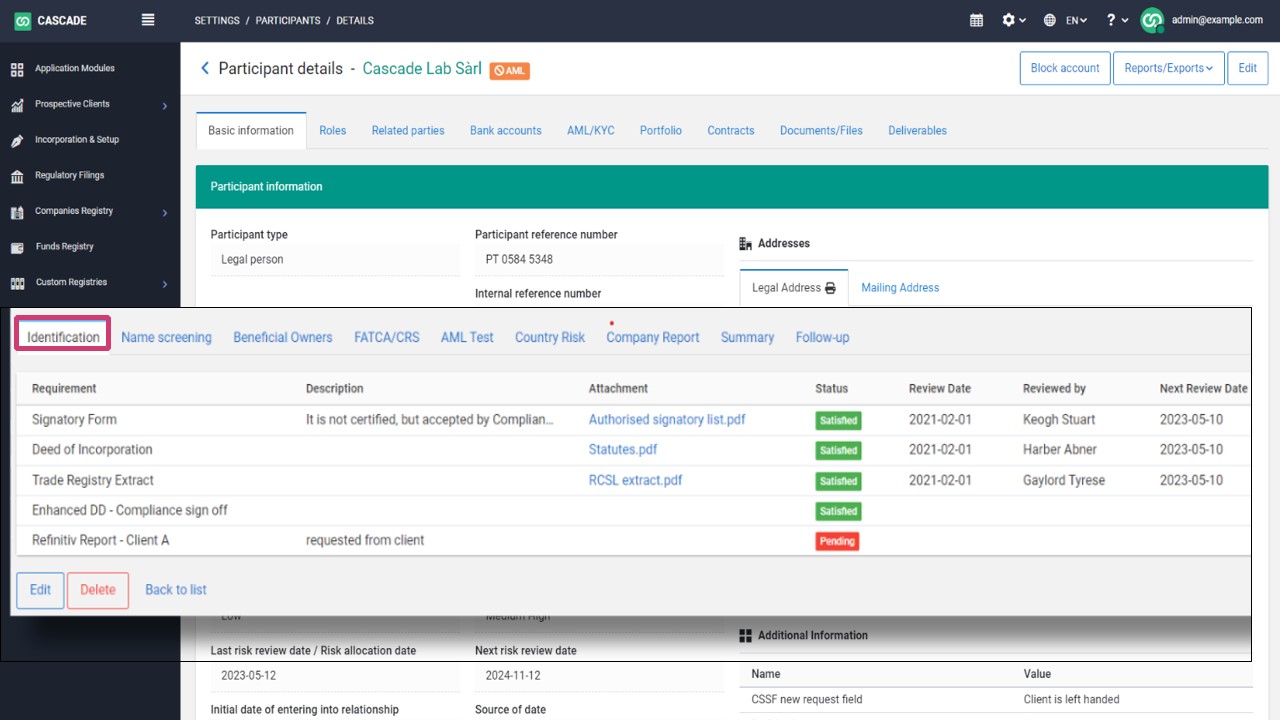
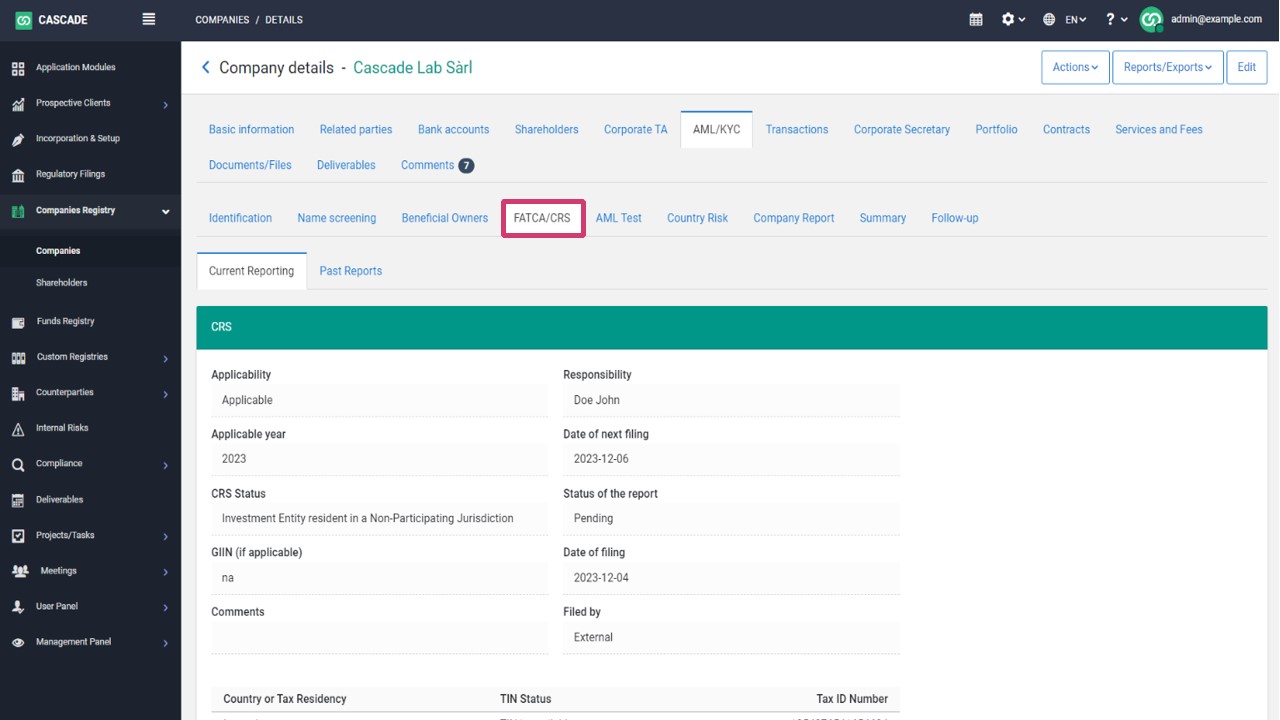
Create a structured register linking each customer to required evidence elements, completion dates, reviewer names, and document locations. Capture onboarding date, risk rating rationale, CDD completion, screening results, periodic review cycles, and EDD escalations.
Step 3: Enforce evidence attachment at the decision point.
Require staff to attach supporting documents as compliance actions complete. Version control is critical: archive superseded documents, retain original assessments, and maintain audit trails showing who attached evidence and when.
Step 4: Automate retrieval and reporting.
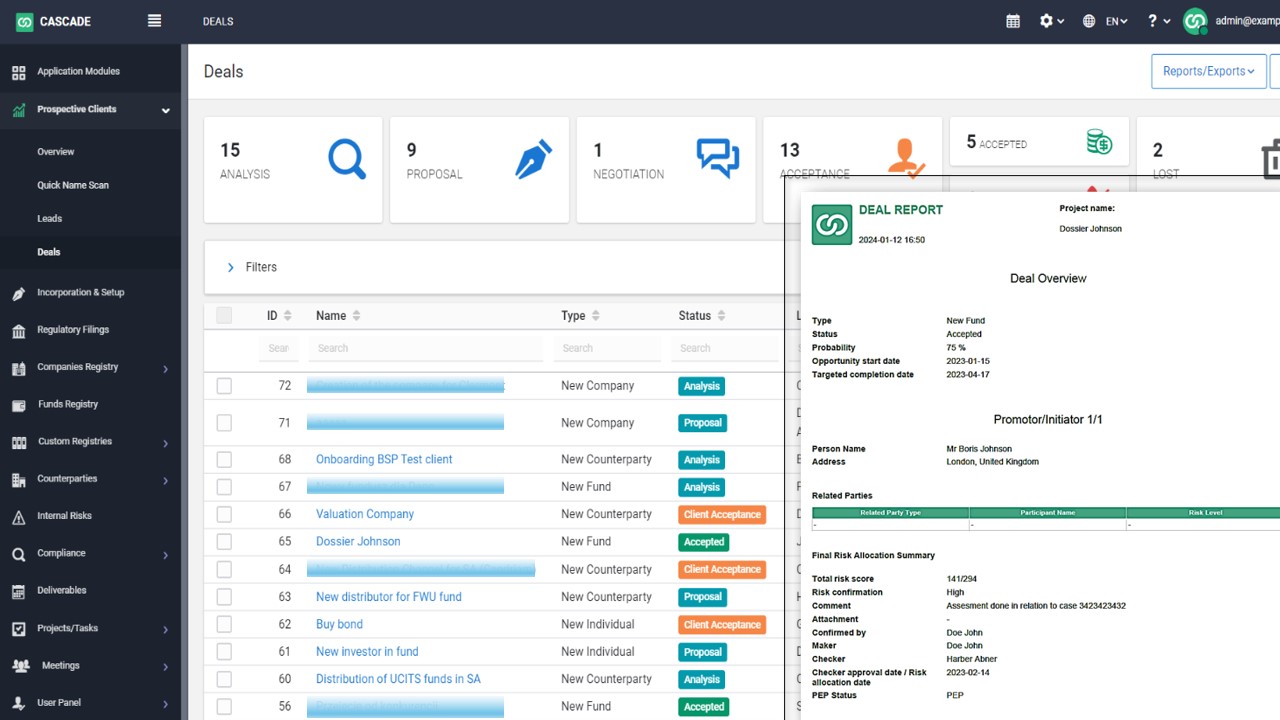
Use workflow automation to generate evidence reports segmented by customer or decision type. Reports should timestamp evidence, identify gaps, and cross-reference regulatory requirements.
Best practices and common pitfalls
Establish clear ownership for evidence accuracy. Update indexes promptly when customer risk profiles shift. Automate periodic review scheduling and attach evidence as actions complete. Avoid storing evidence outside your registry: enforce centralized attachment through workflow. Build approval requirements into risk assessment workflows rather than retrofitting signatures. Link periodic review evidence to triggering events (transaction spikes, PEP alerts, jurisdiction changes). Automate screening refresh scheduling and mandate evidence attachment for each result.
Frequently asked questions
What documentation qualifies as evidence for AUSTRAC purposes?
Any document contemporaneously created and stored with the customer file: identity verification, risk assessment forms, screening results, email approvals, transaction analysis, and audit logs. AUSTRAC expects original documents or certified copies; screenshots carry lower evidentiary weight.
How long must evidence be retained?
Seven years from the date of transaction or customer relationship end, whichever is later. For ongoing customers, retention runs from the date of last transaction or review.
Can evidence be destroyed after retention periods expire?
Yes. Use your evidence index to flag expiry dates so evidence can be securely destroyed or archived per policy.
What is Cascade, and how does it simplify AML/KYC compliance?
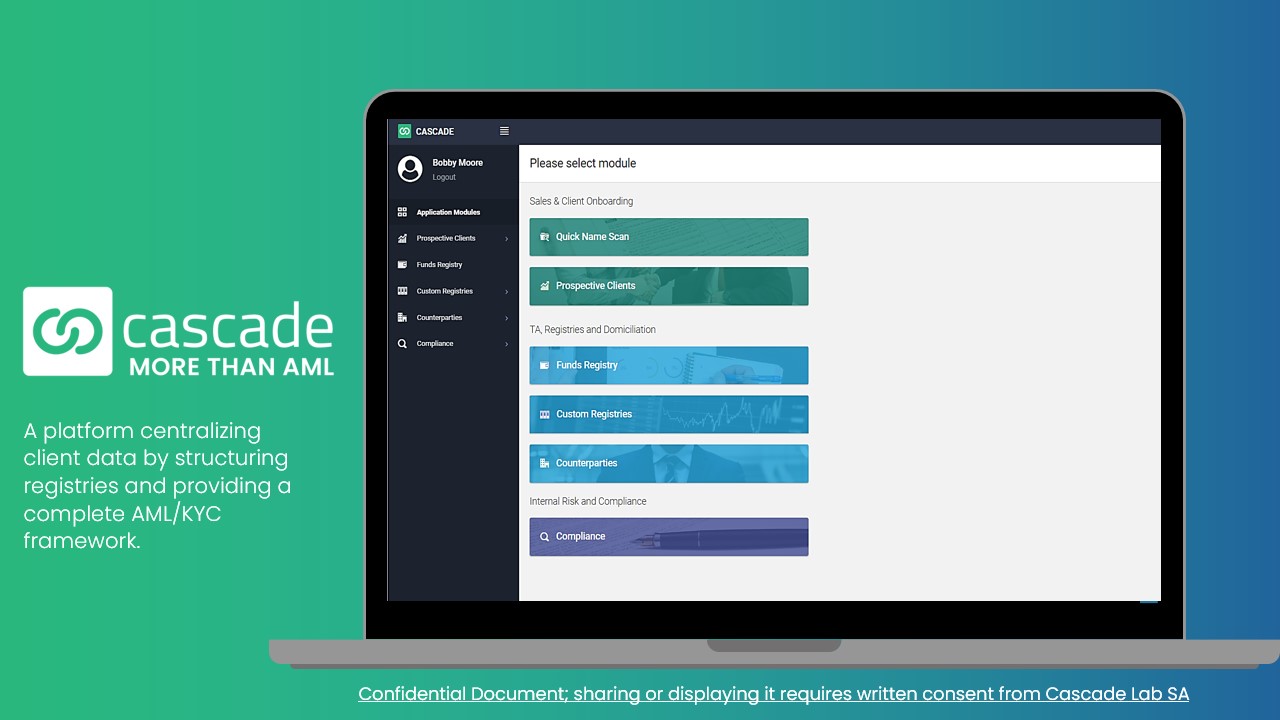
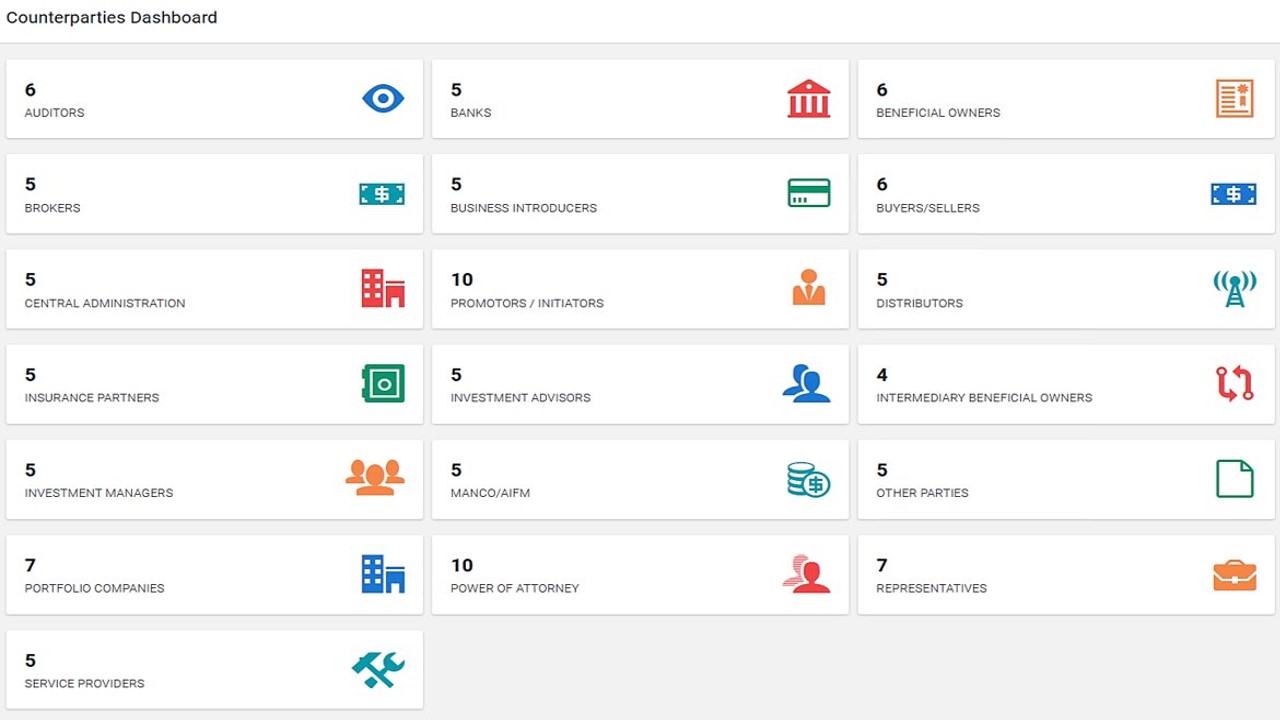
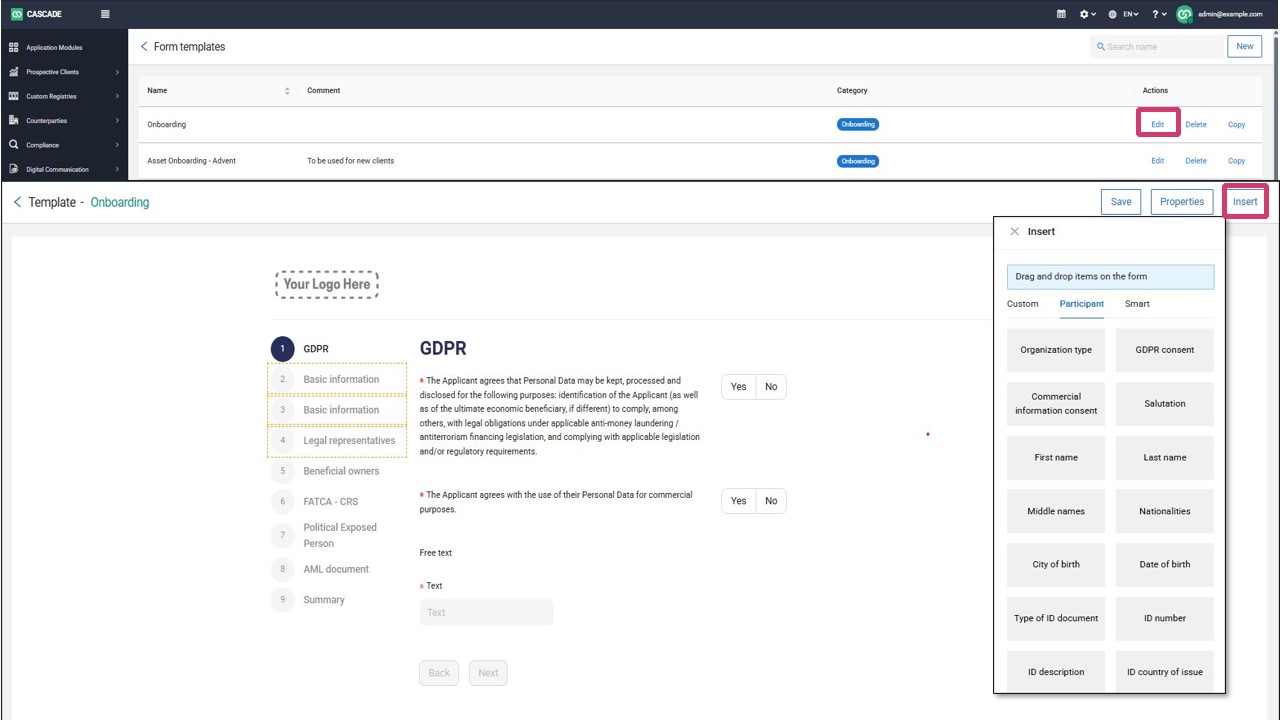
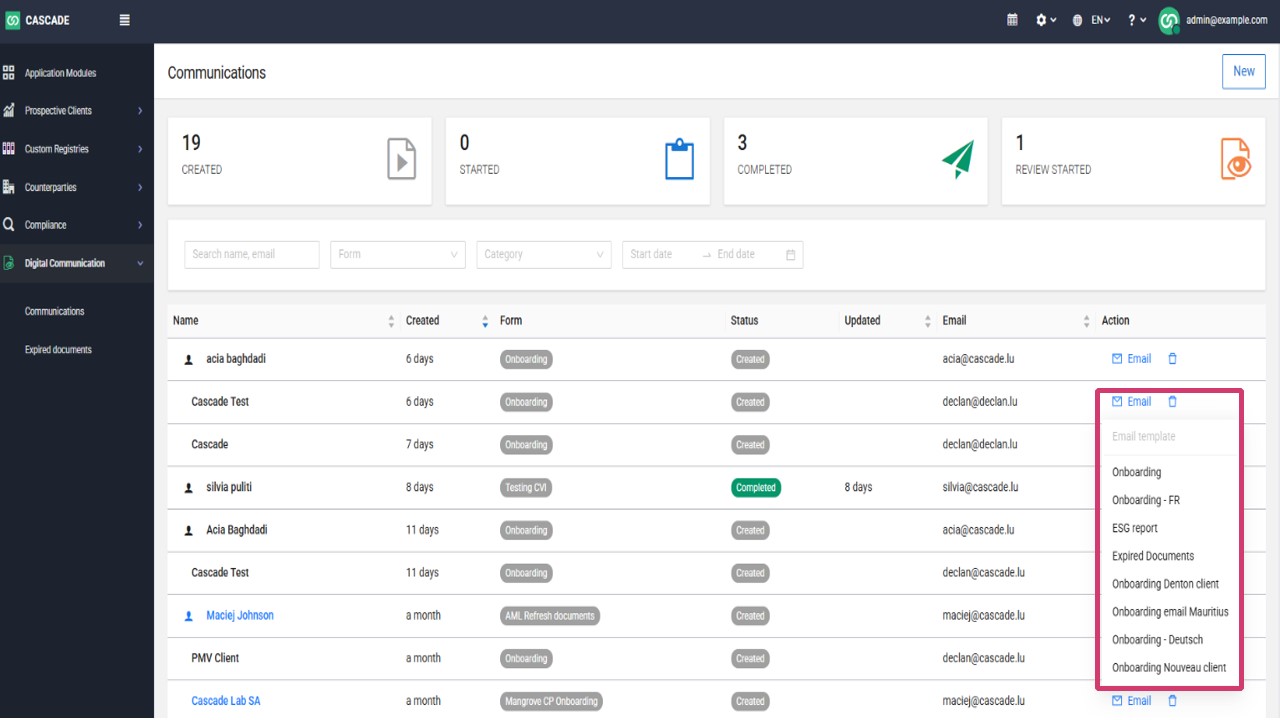
Cascade is an end-to-end AML software platform that centralizes customer data and supports AML/KYC workflows from onboarding and risk assessment through to ongoing monitoring and reporting. It helps compliance teams standardize processes, manage documents and screening, apply risk-based workflows, and maintain audit trails of actions and decisions.
Who can benefit from using Cascade?
Cascade supports organizations with AML/KYC obligations, including financial services firms, fintechs, wealth managers, law firms, and corporate service providers.
How does Cascade ensure data security and regulatory compliance?
Cascade provides controlled workflows, activity logging, and audit trails to support traceable AML/KYC processes. Compliance depends on your policies, configuration, and applicable regulations.
How can I get started with Cascade?
Book a demo with Cascade to discuss your AUSTRAC compliance requirements and identify how it can support your evidence indexing and audit trail workflows.
Explore Cascade’s AML compliance capabilities
AUSTRAC examinations are most efficient when compliance teams can retrieve contemporaneous evidence in minutes rather than weeks. Cascade centralizes customer data, automates evidence attachment to compliance decisions, and generates audit trail reports that satisfy AUSTRAC’s record-keeping expectations. Instead of rebuilding evidence during examination prep, your team maintains an auditable index from day one.
Explore Cascade to see how automated audit trails, workflow documentation, and centralized evidence registries support AUSTRAC-compliant compliance frameworks.
Disclaimer
This article is for general information only and based on publicly available AUSTRAC guidance and the Anti-Money Laundering and Counter-Terrorism Financing Act 2006. We have done our best to make it accurate and useful, but AML regulations and AUSTRAC expectations can change. Always double-check key details with current AUSTRAC guidance and speak with a qualified compliance expert before implementing evidence indexing practices. Cascade does not provide legal or compliance advice. Use of Cascade does not guarantee AUSTRAC compliance; compliance depends on your policies, configuration, and adherence to applicable AML/CTF legislation.


 English
 English (Australia)
 English (UK)