How to build a client termination workflow that maintains compliance
UK law firms must systematically manage client relationships from onboarding through termination. Yet compliance teams often handle client terminations informally, creating regulatory exposure and operational chaos. When firms terminate clients due to compliance concerns, evidence may not be documented; when clients terminate relationships, their files may not be properly closed; final due diligence updates may not be conducted. The Solicitors Regulation Authority (SRA) expects law firms to maintain documented procedures demonstrating that client terminations are handled systematically and all compliance obligations are satisfied before relationships end.
A documented client termination workflow transforms ad hoc termination procedures into a controlled process, ensuring compliance is maintained until the relationship formally ends, documentation is complete, and audit trails demonstrate proper closure.
This guide walks you through building a termination workflow that prevents compliance gaps while enabling orderly client relationship closure.
Why client termination procedures matter for UK law firms
The SRA’s Code of Conduct for Solicitors and AML/CTF Regulations establish that law firms must maintain documented client relationship management procedures, including procedures for terminating client relationships. Solicitors must demonstrate that client terminations are handled systematically and do not create compliance gaps.
Yet many firms lack documented termination procedures. Clients are terminated informally without proper documentation; final due diligence is not updated before files are closed; beneficiary information may remain current but unexplained; correspondence with terminating clients is not retained. When the SRA examines file management, it discovers that termination decisions are not documented, making it impossible to understand why relationships ended or whether the termination was appropriate.
A documented client termination workflow addresses this gap by establishing which situations trigger termination, what due diligence updates must occur before closure, what documentation is required, and how files are retained after termination.
What is a client termination workflow?
A client termination workflow is a documented procedure specifying when client relationships should be terminated, what verification and due diligence updates must occur before termination, what communication is required with terminating clients, how files are closed, and how documentation is retained. The workflow ensures client terminations do not create compliance gaps and are handled consistently across the firm.
A complete termination workflow includes:
- Termination triggers: Which situations necessitate terminating a client (client request, compliance concerns, inactivity, regulatory findings, beneficial ownership concerns)
- Termination decision documentation: How the decision to terminate is documented and approved
- Final due diligence: What verification or beneficial ownership updates must occur before termination
- Client communication: How clients are notified of termination and what notice period is provided
- File closure procedures: What steps are required before a file is formally closed
- Document retention: What documents must be retained after termination and for how long
- Audit trail: How termination decisions are documented for regulatory inspection
The workflow ensures terminations are handled systematically and do not leave compliance or operational loose ends.
Why systematic termination procedures matter for UK firms
UK law firms face three regulatory pressures that documented termination procedures address:
SRA compliance expectations
The SRA expects law firms to maintain documented client relationship management procedures, including termination procedures. If a firm cannot demonstrate that terminations are handled systematically, the SRA will document a control deficiency.
Risk management
Client terminations often occur because of compliance concerns (sanctions matches, beneficial ownership opacity, suspicious activity). If termination procedures are not systematic, firms may inadvertently fail to escalate concerns to appropriate personnel or may terminate relationships without addressing underlying risks.
Professional responsibility
Solicitors have professional responsibilities to clients including providing notice of termination and facilitating orderly closure of outstanding matters. Systematic termination procedures ensure these responsibilities are satisfied consistently.
SRA termination expectations
The SRA establishes explicit client termination expectations:
The SRA Code of Conduct requires solicitors to act with integrity and in accordance with the law. This includes managing client relationships systematically through termination.
The SRA’s AML/CTF Regulations require law firms to maintain documented AML procedures, including procedures for client due diligence and relationship management. Termination procedures must ensure AML obligations are satisfied until relationships formally end.
The Law Society Guidance on Client Termination provides best practice guidance for handling client terminations professionally and ethically.
Your termination workflow is the primary evidence that you handle client closures in a regulated, documented manner.
Building your termination workflow: four-step implementation
Step 1: Define termination triggers and decision authority
Establish which situations necessitate terminating client relationships:
- Client request: Client notifies firm of intention to terminate
- Compliance concerns: Beneficial ownership becomes opaque, sanctions match is identified, and source of funds cannot be verified
- Inactivity: Client has had no activity for a defined period (e.g., 12 months)
- Regulatory findings: Client fails to cooperate with AML investigation or regulatory inquiry
- Conflict of interest: Client has conflicting interests with other clients or firm personnel
- Fee non-payment: Client fails to pay fees within the defined period
Define which roles have authority to approve termination decisions. Terminations due to compliance concerns should require approval from the MLRO or senior compliance officer. Client-requested terminations may require only matter partner approval.
Step 2: Establish final due diligence procedures
Define what due diligence updates must occur before termination:
- Beneficial ownership confirmation: Confirm that beneficial ownership information remains current (or obtain updates if information has changed)
- Screening update: Conduct final screening against sanctions and PEP lists
- Transaction review: Review recent transaction activity for any anomalies
- Source of funds verification: For high-value clients, confirm the source of funds remains consistent with the established profile
- Regulatory file review: Confirm all regulatory obligations have been satisfied
Document findings and any concerns identified during final due diligence. If concerns are identified, determine whether they warrant escalation to the MLRO or affect the termination decision.
Step 3: Develop client communication and closure procedures
Establish how clients are notified and files are closed:
- Termination notice: Define the notice required (written notice, notice period, explanation of reasons)
- Outstanding matters: Identify any outstanding matters requiring completion before closure
- File handover: If the client retains new legal counsel, facilitate file transfer
- Final billing: Complete all billing and collect any outstanding fees
- Document retention: Identify which documents must be retained and which can be archived
Step 4: Establish retention and audit trail procedures
Define how termination is documented:
- Termination decision memo: Document the decision to terminate, the reason for termination, and approving authority
- Final due diligence documentation: Retain all documentation of final due diligence updates and findings
- Client communication: Retain copies of all communication with the client regarding termination
- File closure checklist: Retain checklist confirming all closure procedures were completed
- Retention schedule: Document retention period (typically 6 years minimum; longer for high-risk terminations)
Client termination workflow: ad hoc vs. documented procedures
| Termination workflow component | Ad hoc termination approach | Cascade documented termination workflow |
|---|---|---|
| Termination decision and approval | Client terminations occur informally without documented decision; approval is verbal; no written record exists explaining why relationship ended. | Termination decision is documented in writing with decision rationale and approving authority. The decision memo is retained in client file. Terminations are tracked in client termination log. |
| Final due diligence procedures | Final due diligence is not conducted before termination; beneficial ownership may be stale; final screening does not occur. | Final due diligence checklist completed before termination approval. Beneficial ownership is confirmed current; screening is conducted; transaction activity is reviewed. Findings are documented. |
| Client communication and file closure | Termination notice may not be provided to the client; outstanding matters may not be addressed; file closure procedures are informal. | The termination notice is documented and provided to client. Outstanding matters are identified and managed. File closure checklist confirms all procedures completed before file is closed. |
| Documentation and audit trail | The termination decision is not documented; file closure procedures are not recorded; audit trail does not exist. When SRA questions termination, firm cannot explain decision or demonstrate proper closure. | Termination decision is documented with approval. Final due diligence findings are retained. Client communication is documented. File closure procedures are recorded. Complete audit trail demonstrates proper closure. |
Operationalizing termination procedures through documentation
Ad hoc termination procedures create compliance gaps. Client terminations occur without documented rationale; final due diligence is not conducted; beneficial ownership status may be stale at closure; audit trails do not exist explaining termination decisions. When the SRA examines closed files, it discovers that terminations were not handled systematically and cannot understand why relationships ended or whether termination was appropriate.
A documented termination workflow embeds client closure into systematic procedures. Termination decisions are documented with approval; final due diligence is conducted and findings recorded; clients receive proper notice; files are closed through a defined checklist ensuring no loose ends remain. Audit trails demonstrate that terminations were handled professionally and all compliance obligations were satisfied until relationships formally ended.
For UK law firms subject to SRA examination, this shift from ad hoc closure to documented procedures provides evidence that client relationships are managed systematically from onboarding through termination.
Common termination workflow challenges and solutions
Challenge 1: Compliance concerns not escalated before termination
Clients are terminated informally; concerns that triggered termination are not documented; MLRO is not involved in termination decisions.
Solution: Establish a procedure requiring escalation to the MLRO for any termination triggered by compliance concerns. Document the concern, the investigation findings, and the basis for termination decision. Obtain MLRO approval before terminating relationship.
Challenge 2: Final due diligence not conducted before closure
Client files are closed without updating beneficial ownership, conducting final screening, or reviewing recent transaction activity. Potentially concerning activity may go undetected.
Solution: Implement a final due diligence checklist that must be completed before termination approval. Require beneficial ownership confirmation, screening update, and transaction review. Document findings and address any concerns identified.
Challenge 3: Client communication and notice inadequate
Clients are not properly notified of termination; notice period is unclear; clients do not understand reasons for termination.
Solution: Establish a termination notice procedure specifying what information must be communicated to clients and what notice period is required. Provide written notice explaining the reason for termination (client request, compliance concerns, inactivity, etc.). Retain copy of termination notice in file.
Challenge 4: File closure procedures incomplete
Files are closed without ensuring all outstanding matters are addressed; outstanding fees are not collected; new counsel is not facilitated with file transfer.
Solution: Implement a file closure checklist confirming that: all outstanding matters are resolved or transferred, final billing is completed, outstanding fees are collected, and new counsel has been provided file access if appropriate. Do not close file until all items are confirmed complete.
Challenge 5: Audit trail inadequate
Termination is completed but no documentation exists explaining the decision or demonstrating that closure procedures were followed. SRA cannot understand why relationship ended.
Solution: Maintain a client termination log tracking all terminations with decision date, reason for termination, and approving authority. Retain termination decision memo in client file. Retain final due diligence documentation and file closure checklist. Ensure audit trail is complete and accessible to regulators on request.
Best practices for client termination
Document termination decisions
Create a memo documenting the reason for termination and approving authority. Retain memo in client file for regulatory inspection.
Conduct final due diligence
Before terminating relationships, confirm beneficial ownership is current, conduct final screening, and review recent activity. Address any concerns identified.
Notify clients properly
Provide written termination notice explaining reasons and notice period. Allow sufficient time for client to arrange alternative counsel.
Complete file closure checklist
Confirm all outstanding matters are addressed, outstanding fees are collected, and new counsel has file access if appropriate before closing file.
Escalate compliance concerns
If termination is triggered by compliance concerns, escalate to MLRO and document investigation findings and basis for termination decision.
Maintain audit trail
Ensure termination decision and file closure procedures are fully documented. Create termination log for regulatory inspection.
Frequently asked questions
What should I do if a client has a sanctions match at the end of the relationship?
Do not simply close the relationship. Escalate the sanctions match to the MLRO immediately. Conduct investigation to determine whether the match is a true positive or a false positive. If a true positive, you may have a suspicious activity reporting obligation. Document investigation findings and any escalation to appropriate authorities. Then proceed with termination once investigation is complete.
How should I handle termination if client has pending matters?
Before terminating, identify all pending matters requiring completion. Determine whether you will complete matters and bill fees for completion, or transfer matters to new counsel. Communicate clearly with client about the plan for pending matters. Do not terminate relationship while client has unresolved legal matters without clear arrangement for handling them.
What notice period should I provide to terminating clients?
Notice period depends on the nature of relationship and reason for termination. Client-requested terminations may require 30 days’ notice. Terminations due to compliance concerns may require immediate termination or shorter notice period. Provide sufficient notice to allow clients to arrange alternative counsel while protecting the firm’s interests.
What is Cascade and how does it simplify AML/KYC compliance?
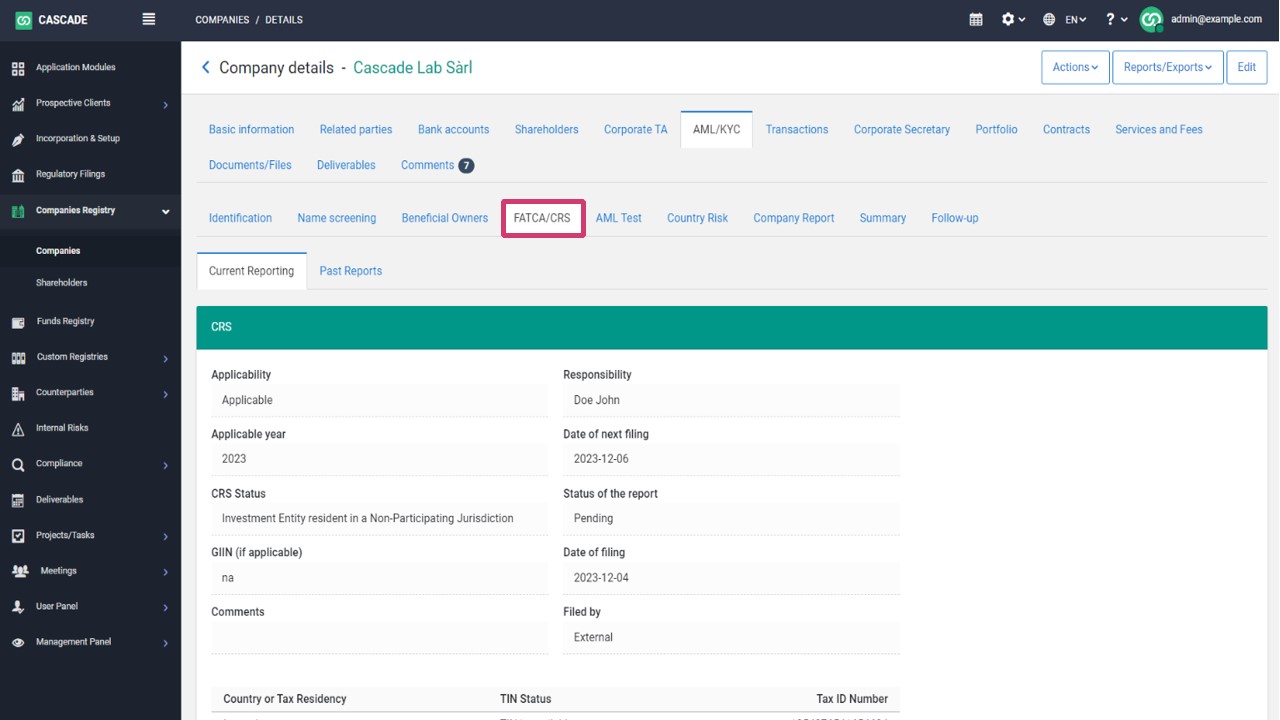
Cascade is an end-to-end AML Software (SaaS Platform) that centralises client data and supports AML/KYC workflows from onboarding and risk assessment through to ongoing monitoring and reporting. It helps compliance teams standardise processes, manage documents and screening, apply risk-based workflows, and maintain an audit trail of actions and decisions.
Who can benefit from using Cascade?
Cascade supports organisations with AML/KYC obligations, including financial services firms, fintechs, wealth managers, law firms and corporate service providers.
How does Cascade ensure data security and regulatory compliance?
Cascade provides controlled workflows, activity logging and audit trails to support traceable AML/KYC processes. Compliance still depends on your policies, configuration and applicable regulations.
How can I get started with Cascade?
Book a demo with Cascade to discuss your AML/KYC requirements, explore the platform and identify how it can support your workflows.
Explore Cascade’s client termination capabilities
UK law firms struggle to manage client terminations systematically when procedures are informal and ad hoc. Client termination decisions are not documented; final due diligence is not conducted before closure; beneficial ownership may be stale when files are closed. When the SRA examines terminations, it discovers that relationships are not managed systematically and cannot understand why clients were terminated or whether termination procedures were appropriate.
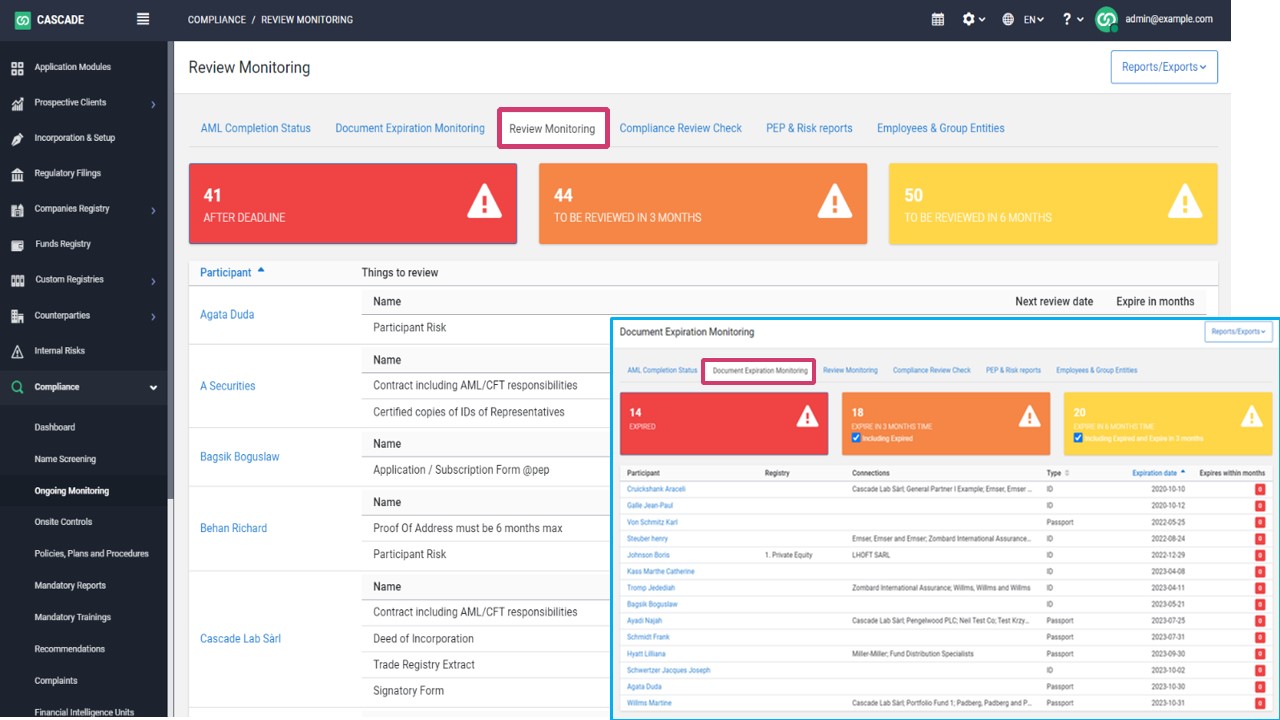
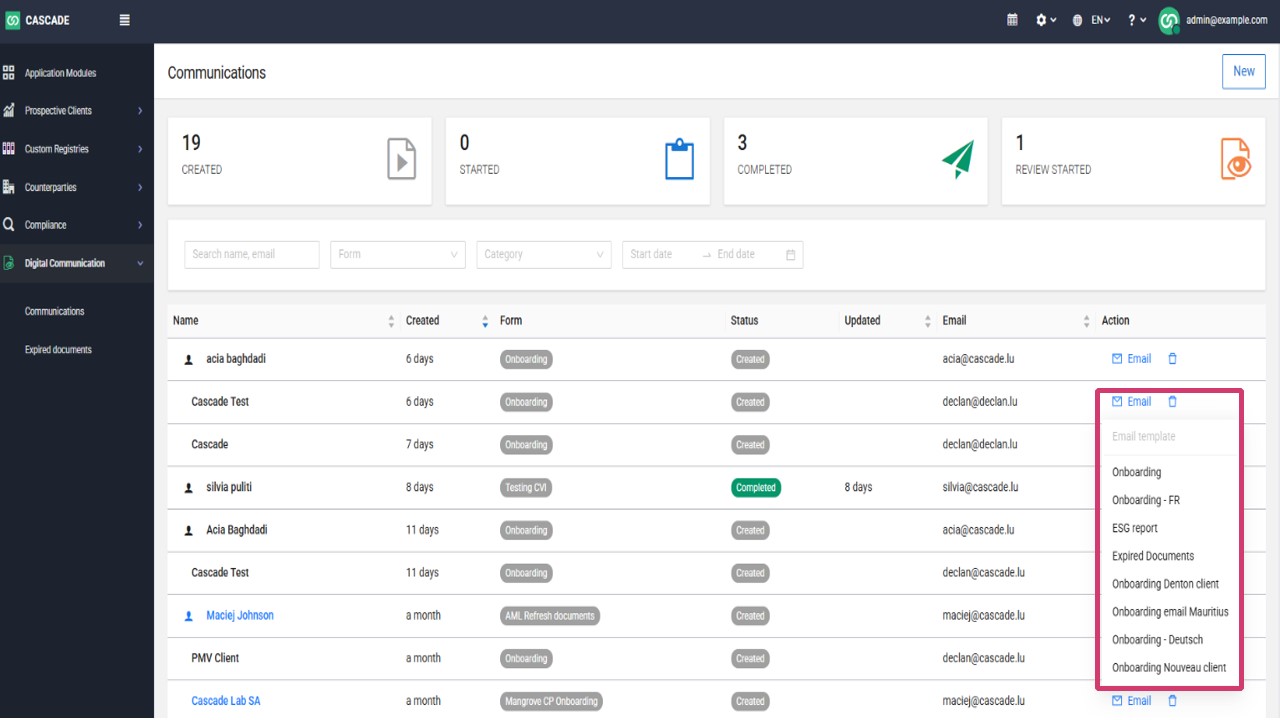
Cascade purpose-built to systematize client termination workflows by embedding final due diligence procedures, documenting termination decisions, tracking completion of closure checklists, and maintaining audit trails demonstrating proper closure. Clients are terminated through a documented workflow ensuring compliance concerns are escalated, due diligence is current, and all closure procedures are completed before files are closed.
To see how Cascade operationalizes your client termination workflow and enables SRA-compliant client management, explore Cascade’s AML capabilities.
Disclaimer
This article is for general information only and based on publicly available sources at the time of writing. We have made our best effort to ensure accuracy and relevance to UK law firm compliance, but SRA regulations, guidance, and business requirements can change. Always verify key details against current SRA publications and consult with a qualified compliance specialist before making compliance decisions.


 English
 English (Australia)
 English (UK)