Introduction: Why KYC Matters in Luxembourg
Luxembourg is one of the world’s leading financial hubs, home to thousands of banks, investment funds, and fintech companies. The overall number of Assets under Management (AuM) of investment funds domiciled in Luxembourg, including UCITS and AIFs, amounted to EUR 8,888,614 trillion (change over the last 12 months: +18.34%) as of May 2026 (according to ALFI Luxembourg Fund Market Overview). In Luxembourg, the Commission de Surveillance du Secteur Financier (CSSF) enforces strict KYC (Know Your Customer) and AML (Anti-Money Laundering) requirements.
In this 2026 guide, we’ll break down:
- The latest KYC regulations in Luxembourg
- CSSF circulars and what they mean for your business
- Compliance obligations for banks, funds, and fintechs
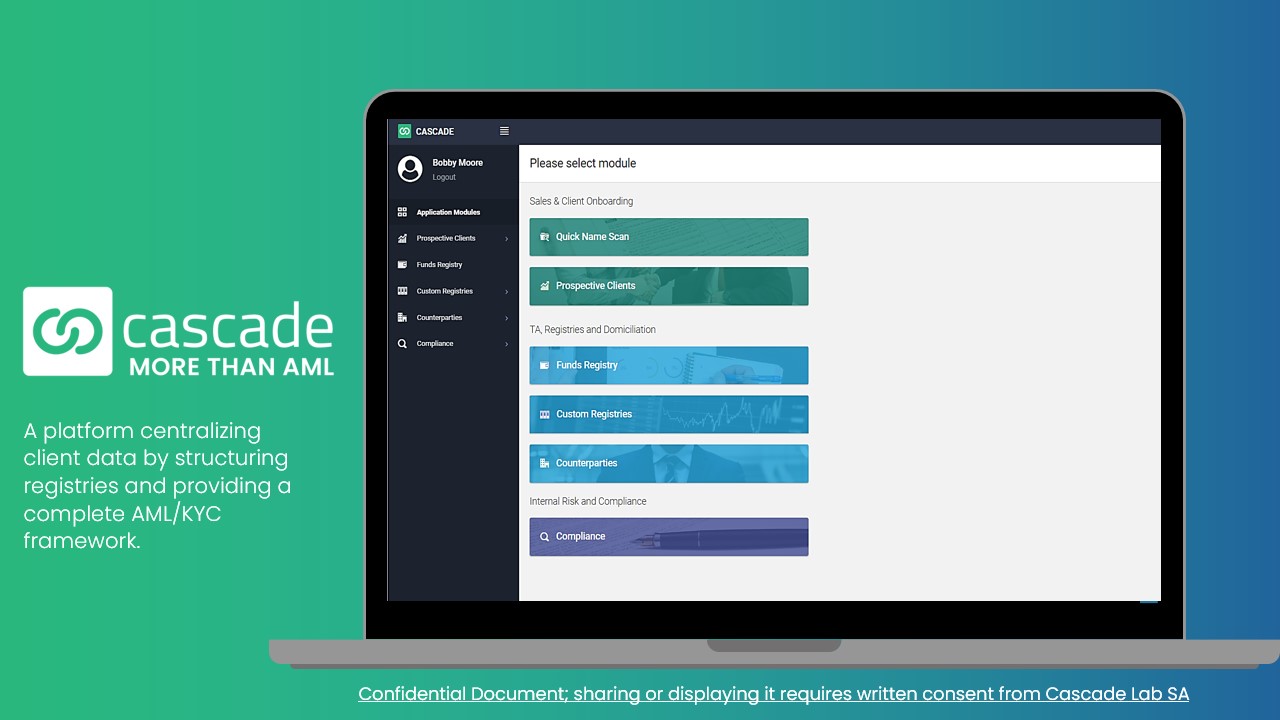
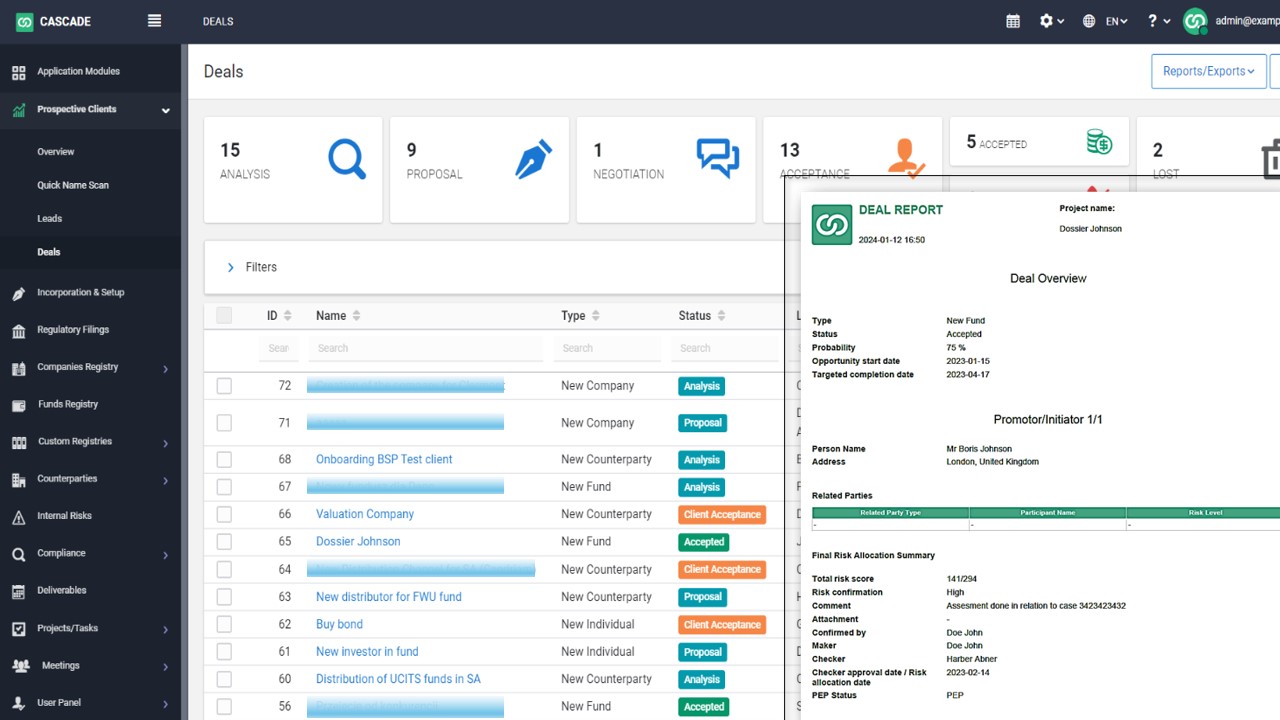
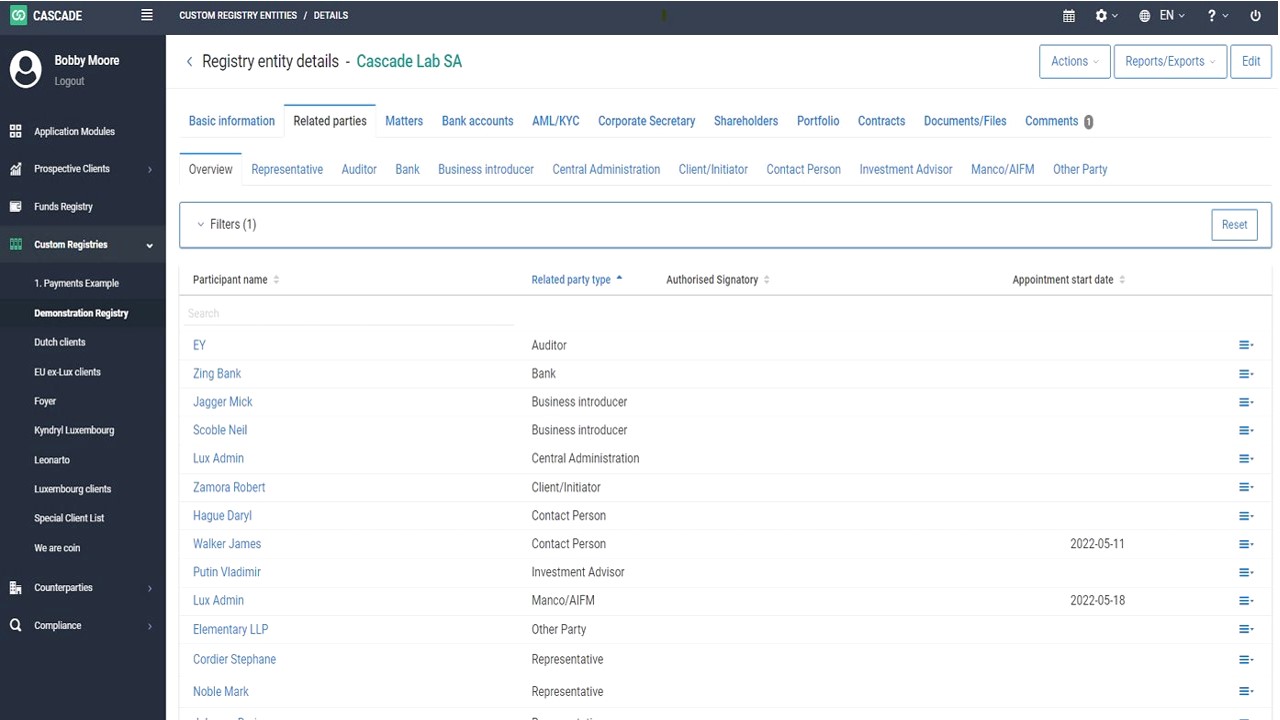
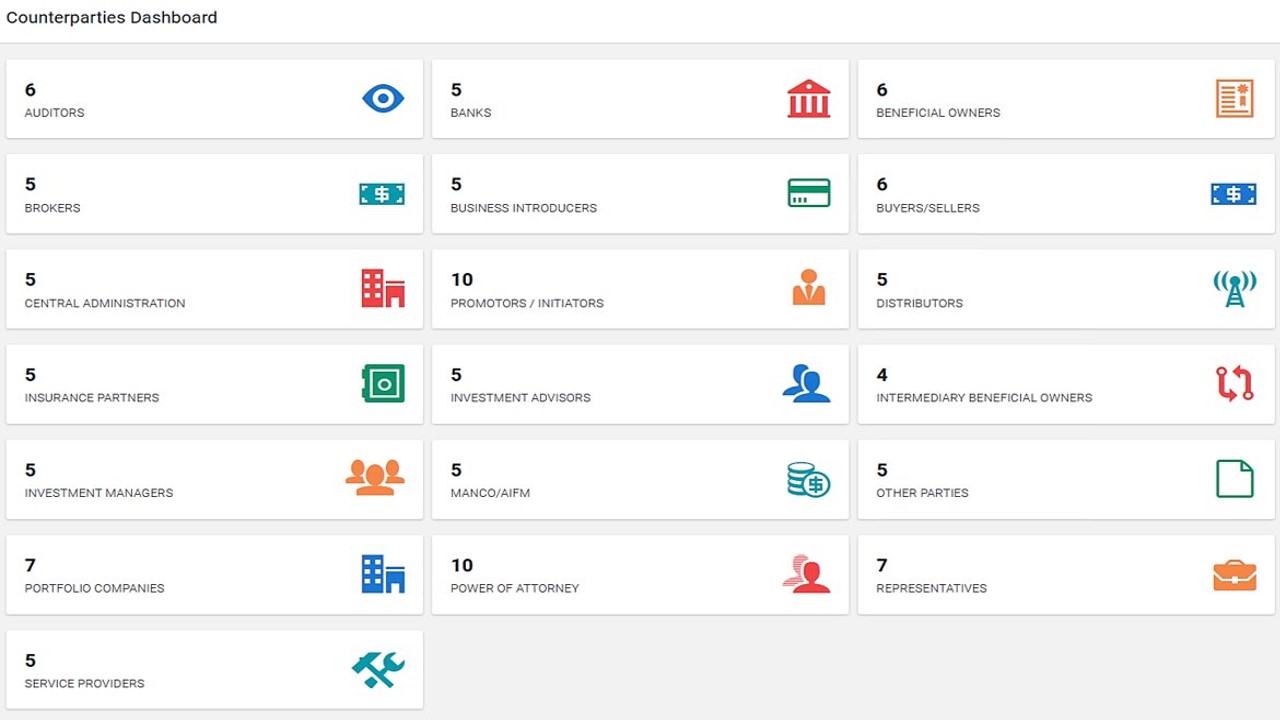
- How Cascade helps you stay compliant and efficient
1. The legal basis for KYC in Luxembourg
Luxembourg’s KYC framework is shaped by:
- EU AML Directives (AMLD5 & AMLD6)
- Law of 12 November 2004 on AML & Counter-Terrorist Financing, as amended
- CSSF Circulars and FAQs outlining supervisory expectations
2. CSSF expectations on KYC in 2026
As part of its regulatory mandate, the CSSF is responsible for making sure that all entities under its supervision, authorisation, or registration follow the professional obligations related to AML and CFT (Countering the Financing of Terrorism).
The CSSF requires financial institutions to:
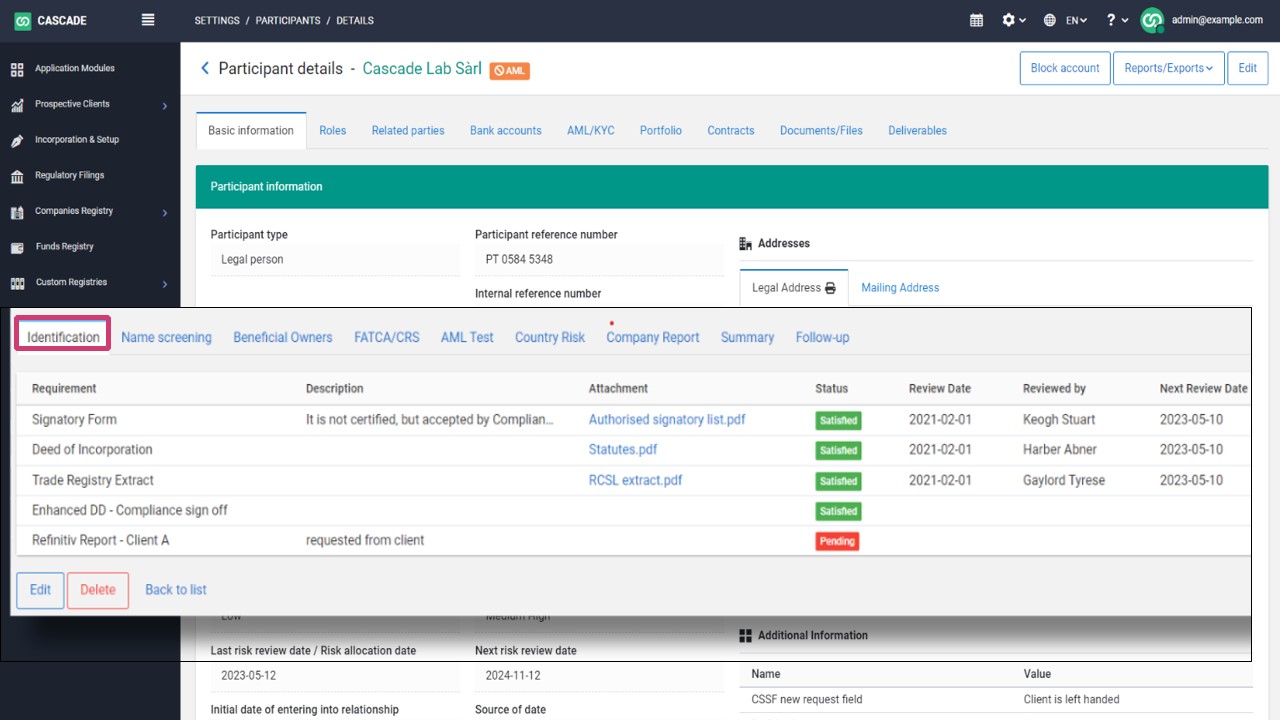
- Identify and verify clients using reliable, independent data
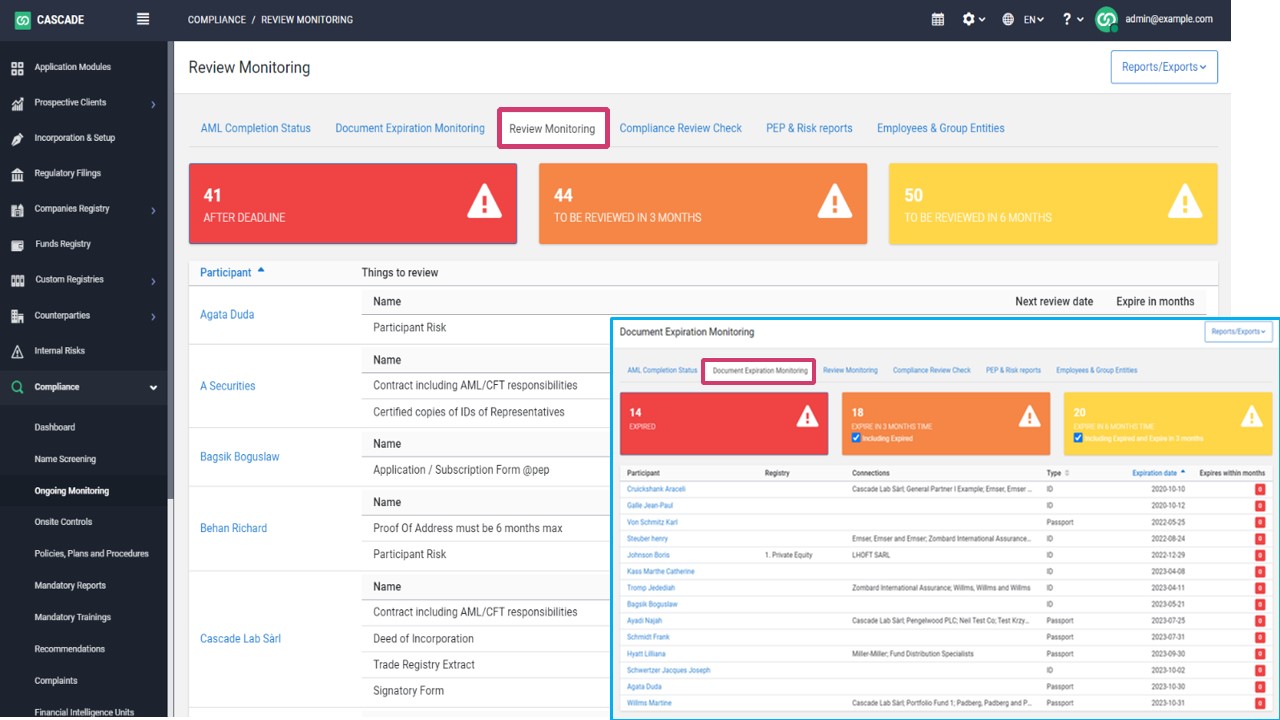
- Conduct ongoing monitoring of business relationships
- Report suspicious transactions to the FIU (Financial Intelligence Unit)
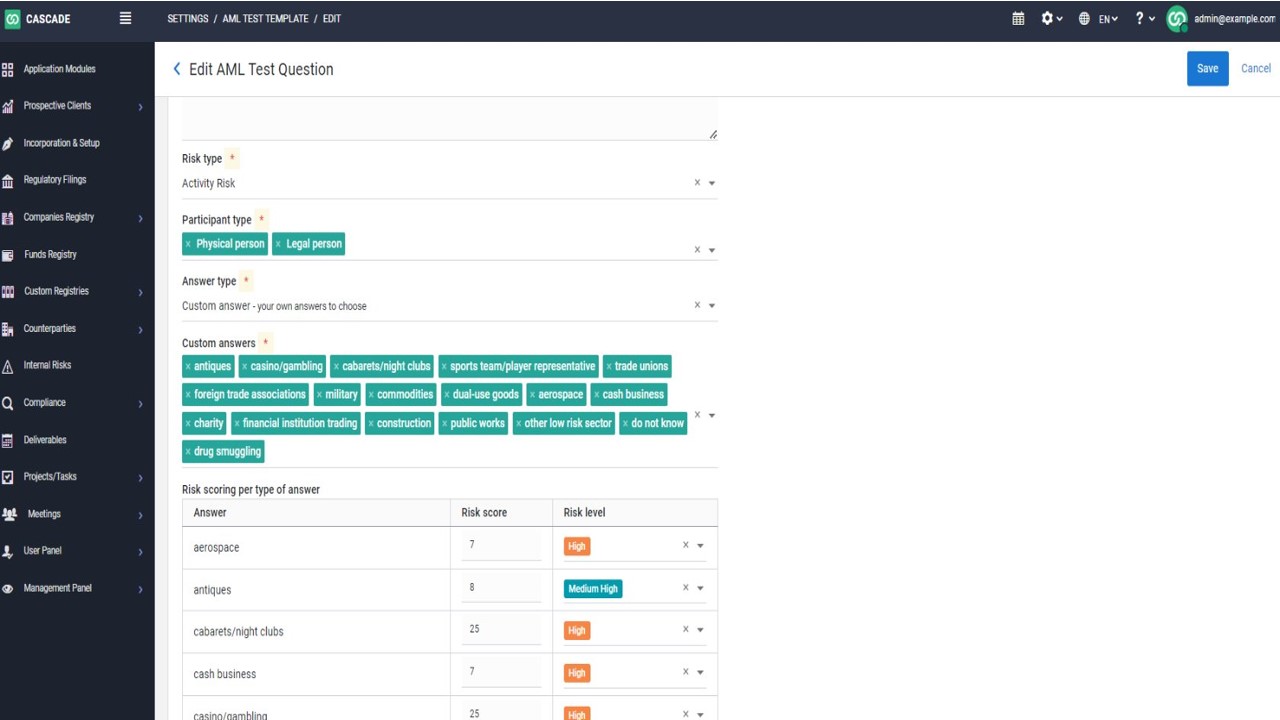
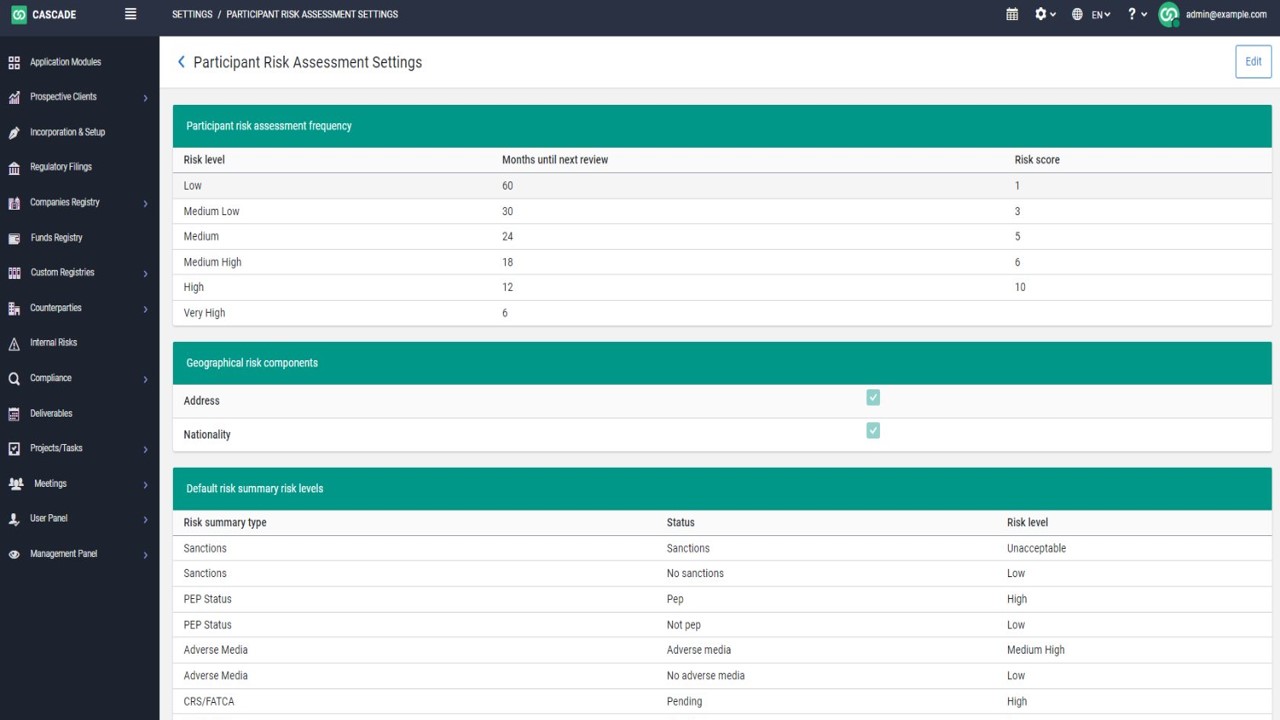
- Apply risk-based due diligence depending on the client type and geography
- Maintain accurate UBO (Ultimate Beneficial Owner) registers
Examples: A Luxembourg bank must not only verify customer identity but also monitor transactions continuously to detect unusual patterns. An investment fund administrator in Luxembourg must carry out enhanced due diligence when onboarding investors from high-risk jurisdictions, ensuring full transparency on the beneficial owners behind corporate structures.
3. KYC obligations by industry
Banks & Private Banking
- Strong focus on high-risk clients (PEPs (Politically Exposed Persons), cross-border accounts)
- Enhanced due diligence for complex structures
Investment Funds & Asset Managers
- Onboarding investors in UCITS, AIFs, and PE funds requires strict AML/KYC checks
- Regulatory filings often demand proof of due diligence
Fintechs & Payment Institutions
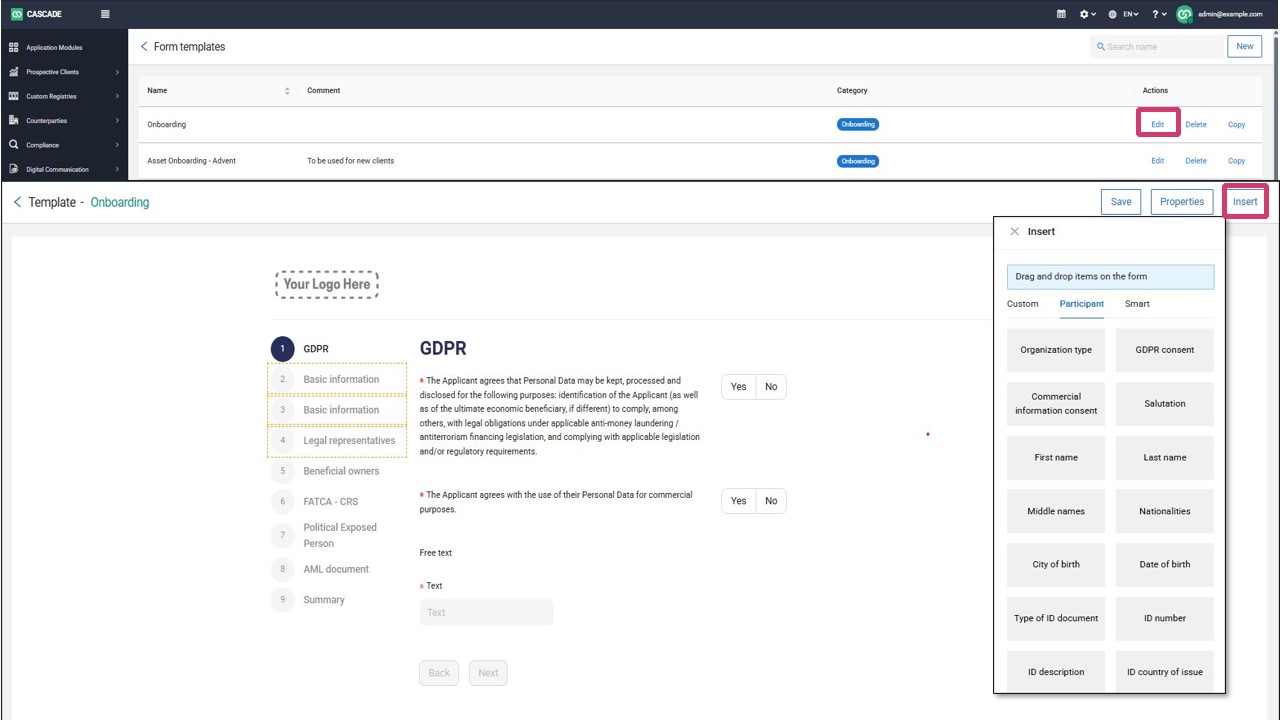
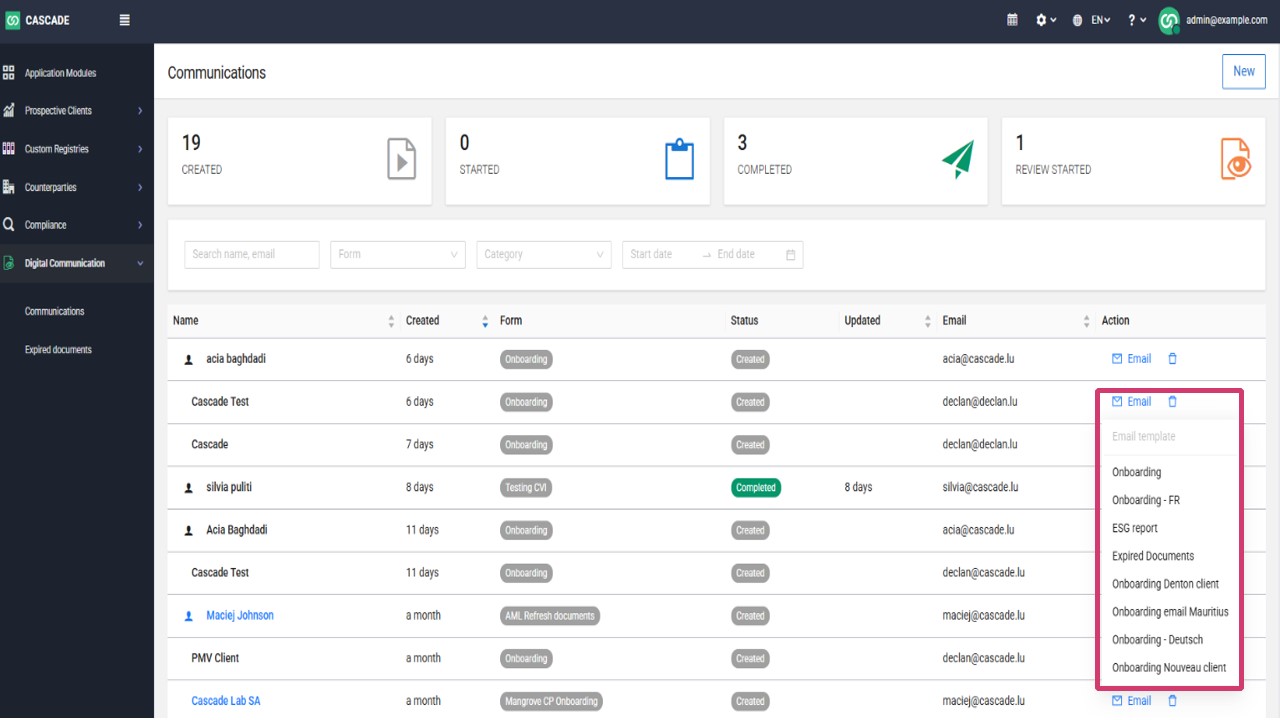
- Must implement digital KYC onboarding that meets EU and CSSF rules
- Required to provide audit-ready KYC processes
Lawyers & the Luxembourg Bar (Barreau de Luxembourg)
- Lawyers are considered “obliged entities” under the Law of 12 November 2004 on AML/CFT
- They must apply client due diligence before advising on transactions, creating companies, or managing assets
- Obligations include:
- Identifying and verifying clients and beneficial owners
- Assessing the purpose and nature of the business relationship
- Reporting suspicious activities to the Cellule de Renseignement Financier (CRF)
- The Barreau de Luxembourg provides additional guidance and supervises compliance among its members
4. Key CSSF circulars to know in 2026
- CSSF Circular 18/698 – Investment fund managers and AML/CFT
- CSSF Circular 21/782 – AML/CFT risk factors
Implements the revised EBA risk-factor guidelines. Essential for risk-based customer due diligence, business-wide risk assessments, enhanced due diligence and assessing geographic, customer, product and distribution-channel risks. - CSSF Circular 20/744 – AML/CFT compliance expectations
- CSSF Circular 25/882, amended by 26/915 – ICT third-party services under DORA
- CSSF FAQs (updated 2024) – guidance on the risk-based approach and outsourcing KYC
- Future 2026 updates – anticipated clarifications on digital onboarding and eIDAS compliance
5. Challenges companies face with KYC in Luxembourg
- High costs of manual verification
- False positives in sanction screening
- Difficulty integrating with global data providers
- Ever-changing regulatory updates
6. How Cascade helps you stay compliant
With Cascade’s KYC platform, you can:
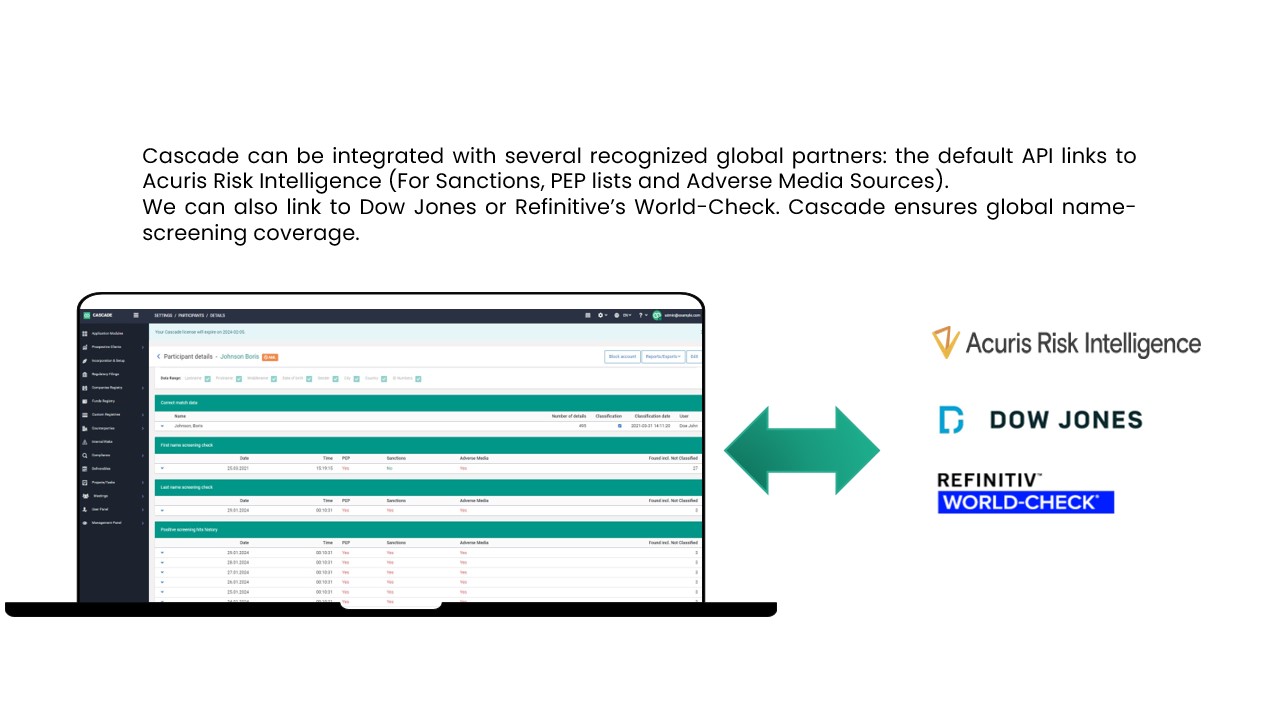
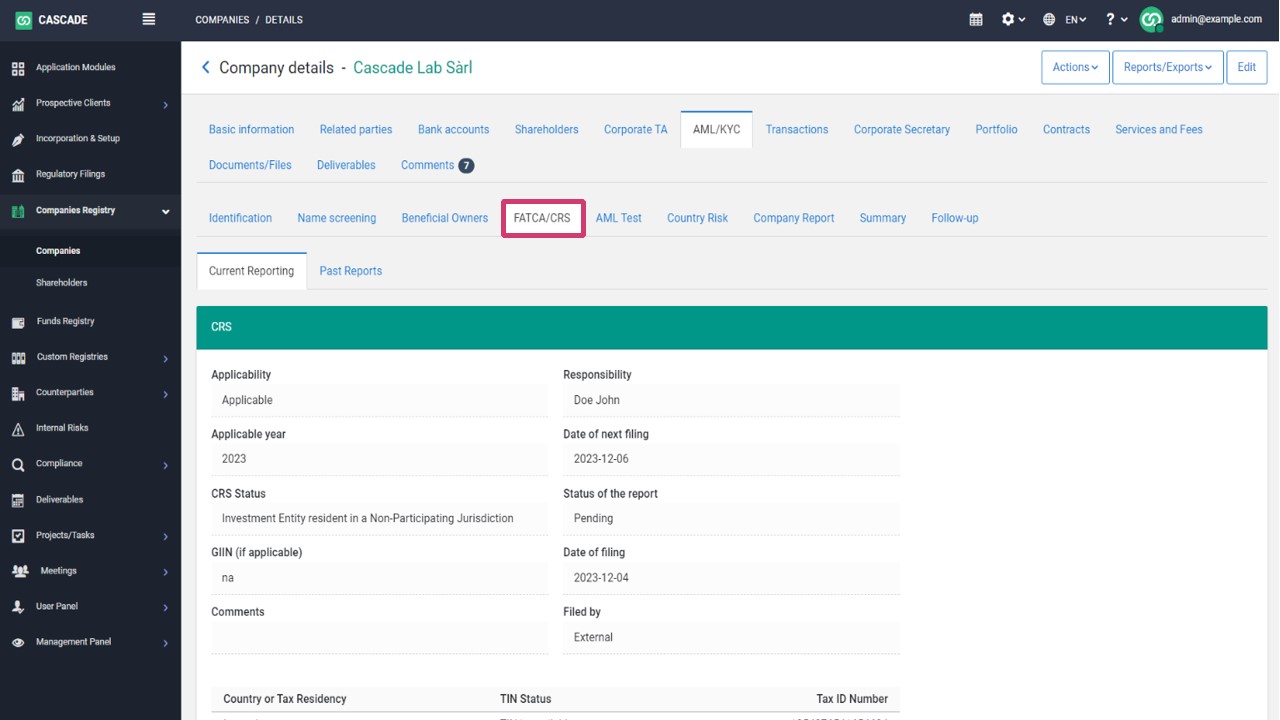
- Monitor clients continuously with sanctions & PEP screening
- Build a risk-based workflow tailored to Luxembourg’s legal requirements
- Generate audit-ready reports for regulators and internal audit
7. Luxembourg KYC Requirements Checklist (2026)
✅ Collect and verify client identity documents
✅ Establish UBOs for corporate clients
✅ Apply risk-based due diligence (standard, simplified, enhanced)
✅ Monitor transactions continuously
✅ Report suspicious activity to FIU.
✅ Keep all records for at least 5 years. See more in the Law on the fight against money laundering and terrorist financing.
Want to learn more about KYC requirements in Luxembourg?
Conclusion
Staying compliant with KYC requirements in Luxembourg is complex but essential for financial institutions, funds, and fintechs.
Get a demo of Cascade by clicking on the button on top of the screen, and ensure your KYC processes meet Luxembourg’s highest regulatory standards.
Frequently asked questions about KYC in Luxembourg
1. What are the KYC requirements in Luxembourg in 2026?
In Luxembourg, KYC requirements include verifying client identity, establishing the ultimate beneficial owner (UBO), applying a risk-based approach (standard, simplified, or enhanced due diligence), monitoring client transactions continuously, and keeping records for at least five years.
2. Who regulates KYC in Luxembourg?
The Commission de Surveillance du Secteur Financier (CSSF) regulates KYC and AML compliance in Luxembourg. The CSSF issues circulars and FAQs to guide banks, investment funds, and fintechs on how to meet these obligations.
3. What documents are required for KYC in Luxembourg?
For individuals: a valid government-issued ID (passport or national ID card), proof of address (utility bill or bank statement), and additional documents for higher-risk clients.
For companies: incorporation documents, shareholder registry, and UBO identification.
4. How long must KYC records be kept in Luxembourg?
Under Luxembourg law, AML KYC records must be kept for at least five years after the end of the client relationship. See more in the Law on the fight against money laundering and terrorist financing.
5. Do fintechs and payment institutions have special KYC rules in Luxembourg?
Yes. Fintechs and payment institutions must comply with CSSF requirements, including digital onboarding procedures, eIDAS-compliant verification, and continuous monitoring of clients.
6. Do law firms in Luxembourg have KYC obligations?
Yes. Law firms in Luxembourg are considered “obliged entities” under the AML/CFT Law of 12 November 2004. Lawyers must verify client identities, establish beneficial ownership, assess the purpose of transactions, and report suspicious activity to the Cellule de Renseignement Financier (CRF). The Barreau de Luxembourg also supervises and issues guidance on KYC/AML compliance for its members.
Disclaimer: This article is based on publicly available information and market understanding at the time of writing. While we aim to provide accurate and useful information, some details may change over time or be incomplete. Readers should carry out their own assessment before making any business decision.
See more:

 English
 English (Australia)
 English (UK)