Fund administrator AML software upgrade: Triggers and decision framework
Fund administrators operating legacy spreadsheet-based or fragmented compliance tools face escalating regulatory risk, operational inefficiency, and audit exposure. Modern AML software for fund administrators’ upgrade decisions is driven by three pressures: regulatory intensity, operational bottlenecks, and the need for centralized, auditable evidence. This guide explains when fund administrators should upgrade their AML infrastructure, how to evaluate upgrade necessity, and what modern compliance platforms deliver.
Introduction
Fund administrators manage client onboarding, ongoing monitoring, and regulatory reporting across complex, multi-jurisdictional fund structures. Without purpose-built AML software, compliance workflows fragment across email, spreadsheets, and disconnected systems. Audit trails disappear; re-assessment triggers are missed; screening results sit in isolated databases.
The decision to upgrade AML software is not just a technology choice: it is a compliance risk decision. Regulators increasingly expect centralized, auditable evidence of risk-based due diligence. Spreadsheet-based processes cannot produce this evidence reliably. Fund administrators operating outdated systems face inspection findings, audit failures, and operational inefficiency that modern AML software for fund administrators upgrade can eliminate.
Why fund administrators need modern AML software
Fund regulators, including the FCA, CSSF, and ESMA expect fund managers and administrators to implement systematic, documented AML controls. Legacy systems create three compliance gaps:
Audit trail fragmentation
Spreadsheets lack version control; email chains fragment evidence; screening results are not centrally retained. When regulators request due diligence documentation, compliance teams cannot produce complete, timestamped evidence.
Missed re-assessment triggers
Manual calendar reminders fail; investor complexity changes are not flagged automatically; beneficial ownership updates are overdue. Compliance becomes reactive rather than risk-based.
Inconsistent risk application
Different administrators apply due diligence criteria inconsistently. One team member rates a third-country investor as high-risk; another rates an identical investor as low-risk. Regulatory expectations for consistency go unmet.
Decision matrix: When to upgrade AML software
| Upgrade Indicator | Legacy System Symptom | Cascade-Enabled Upgrade Benefit |
|---|---|---|
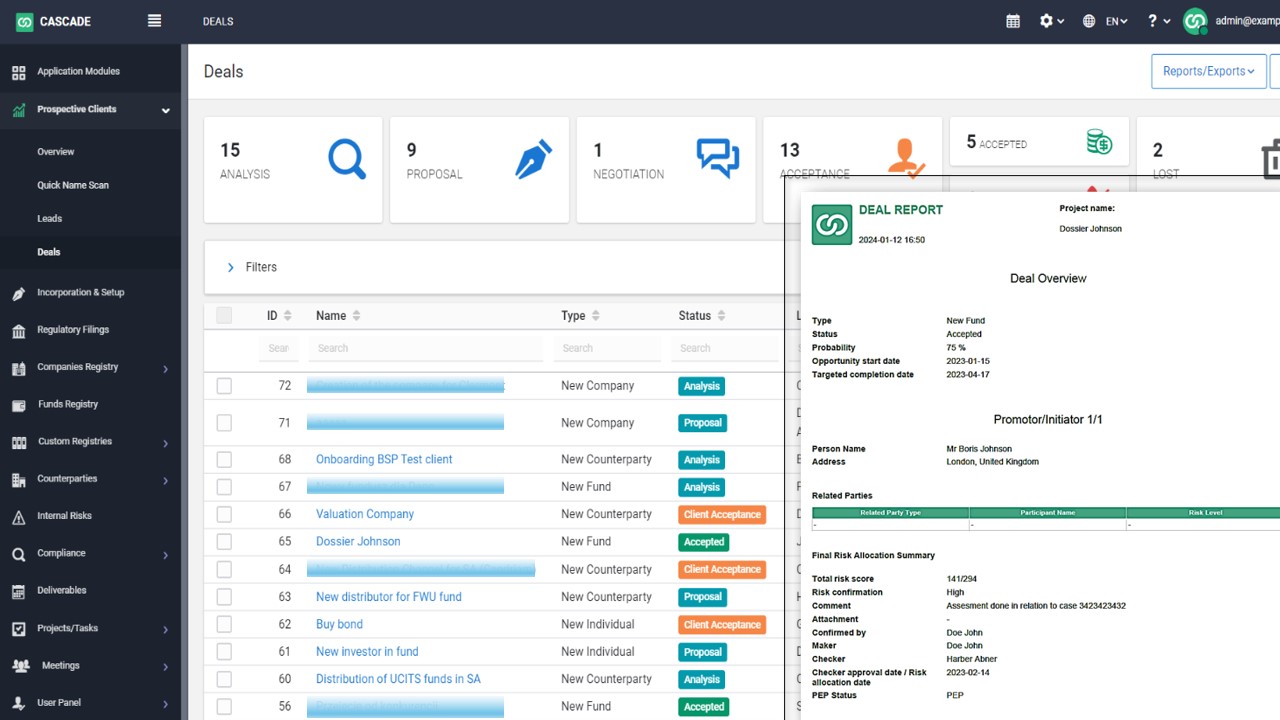
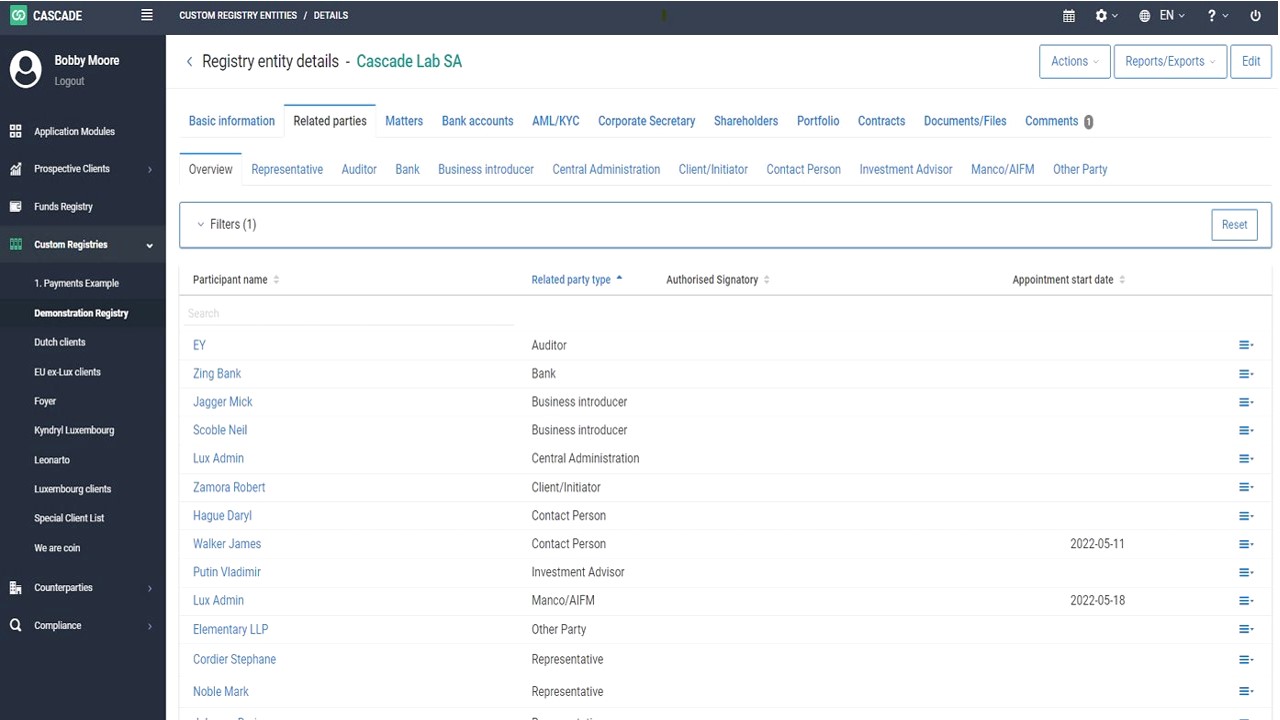
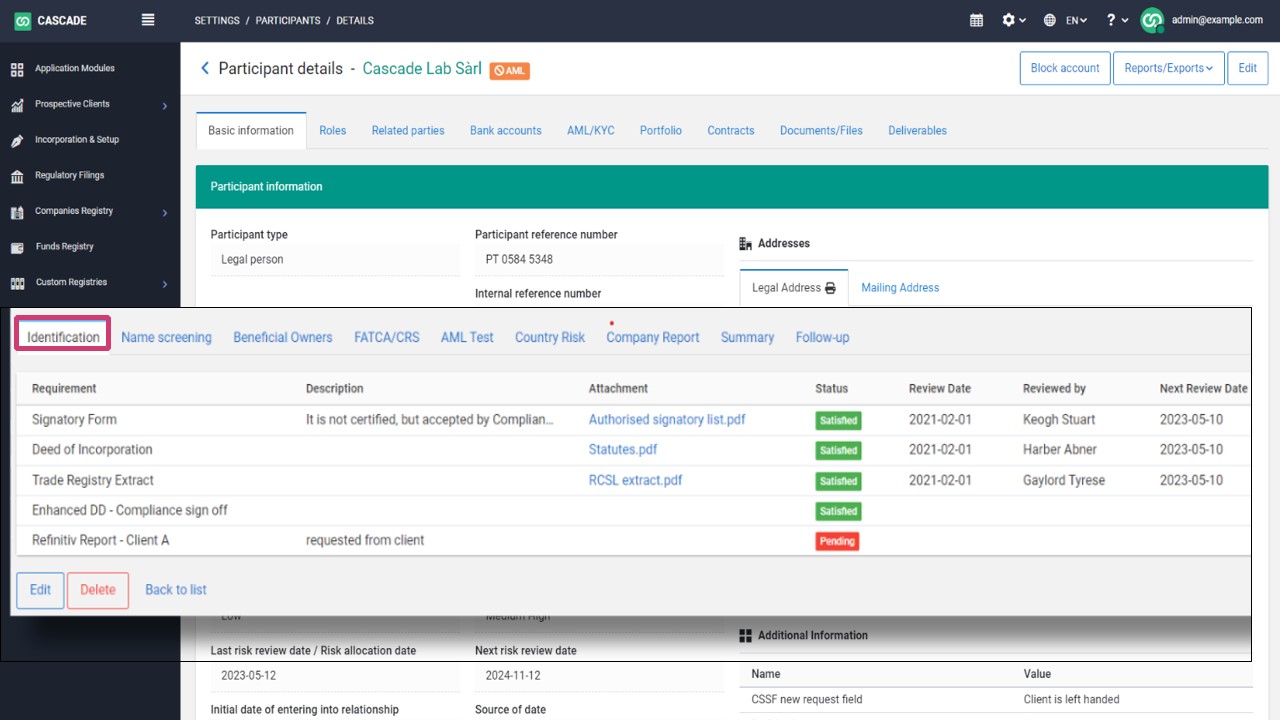
| Audit trail gaps | Screening results stored separately; no central evidence repository; manual documentation | Centralized client profiles linking KYC documents, screening results, risk assessments, and investigations with automatic timestamping |
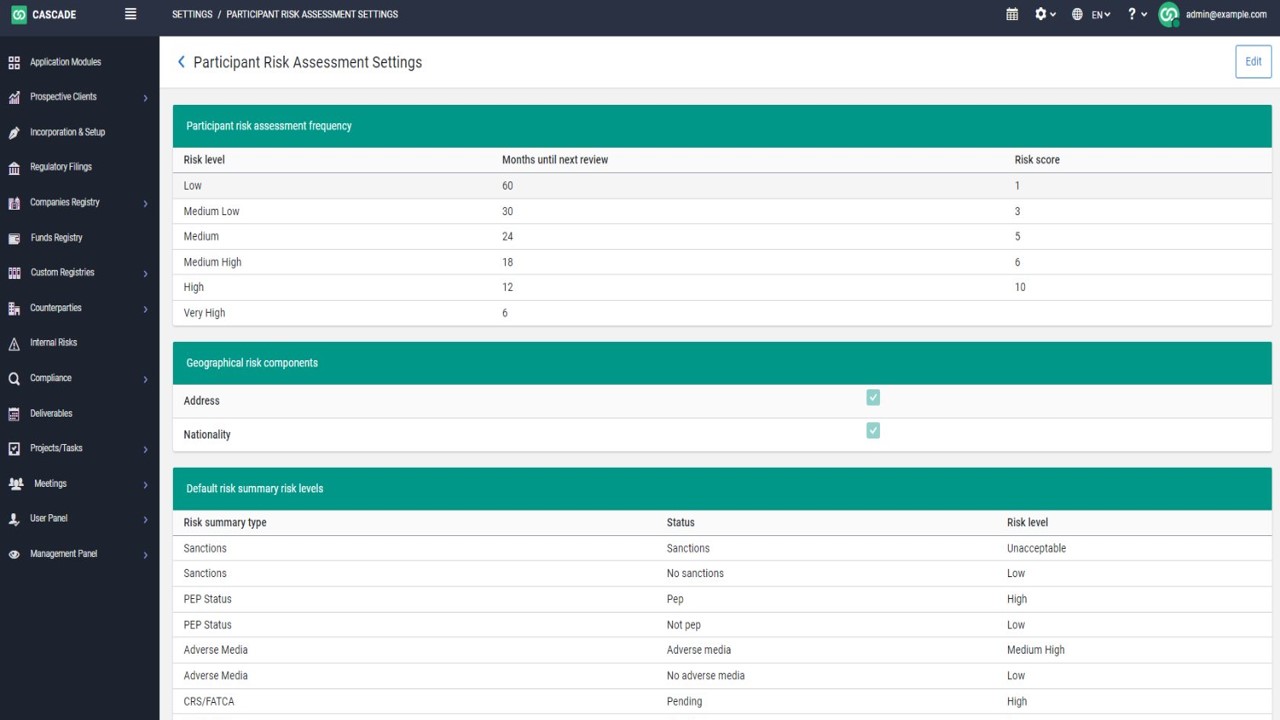
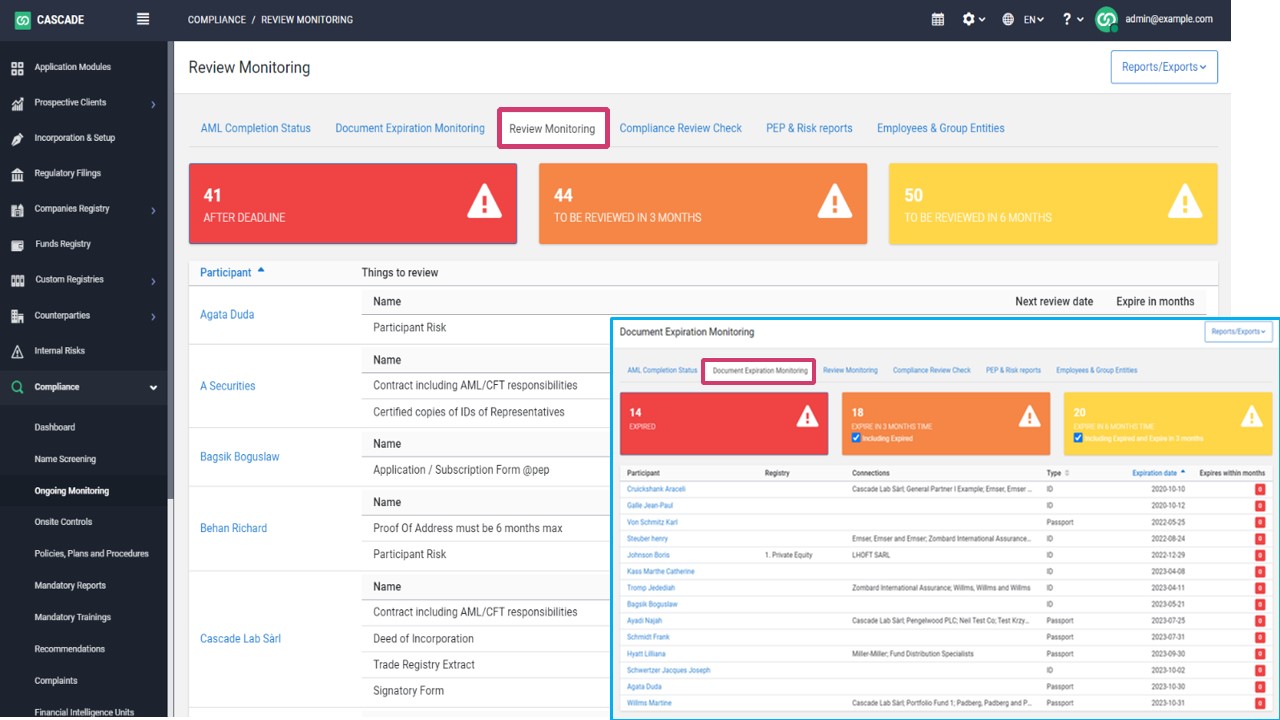
| Manual re-assessment scheduling | Calendar reminders missed; beneficial ownership updates overdue; complexity scores stale | Automated re-assessment triggers tied to calendar dates, regulatory changes, or investor profile updates |
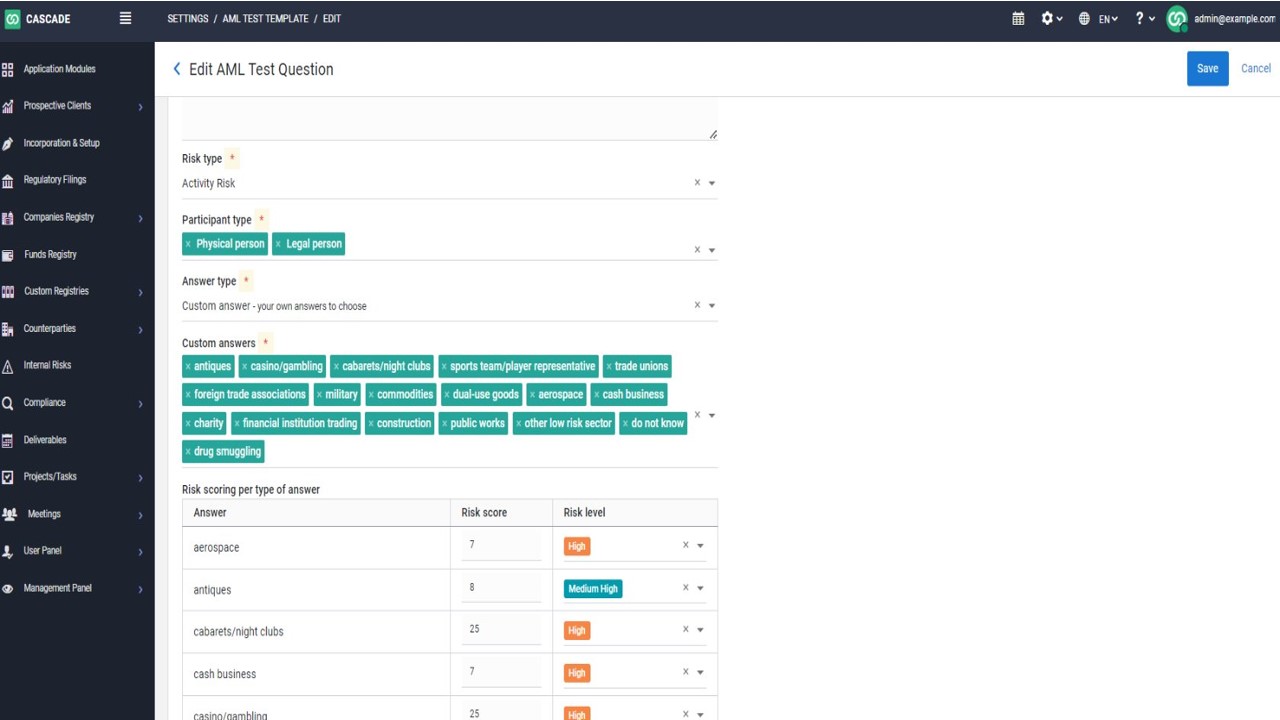
| Inconsistent risk ratings | Same investor type rated differently across teams; no documented scoring rationale | Standardized risk matrix applied consistently; scoring rationale documented automatically; secondary review workflows |
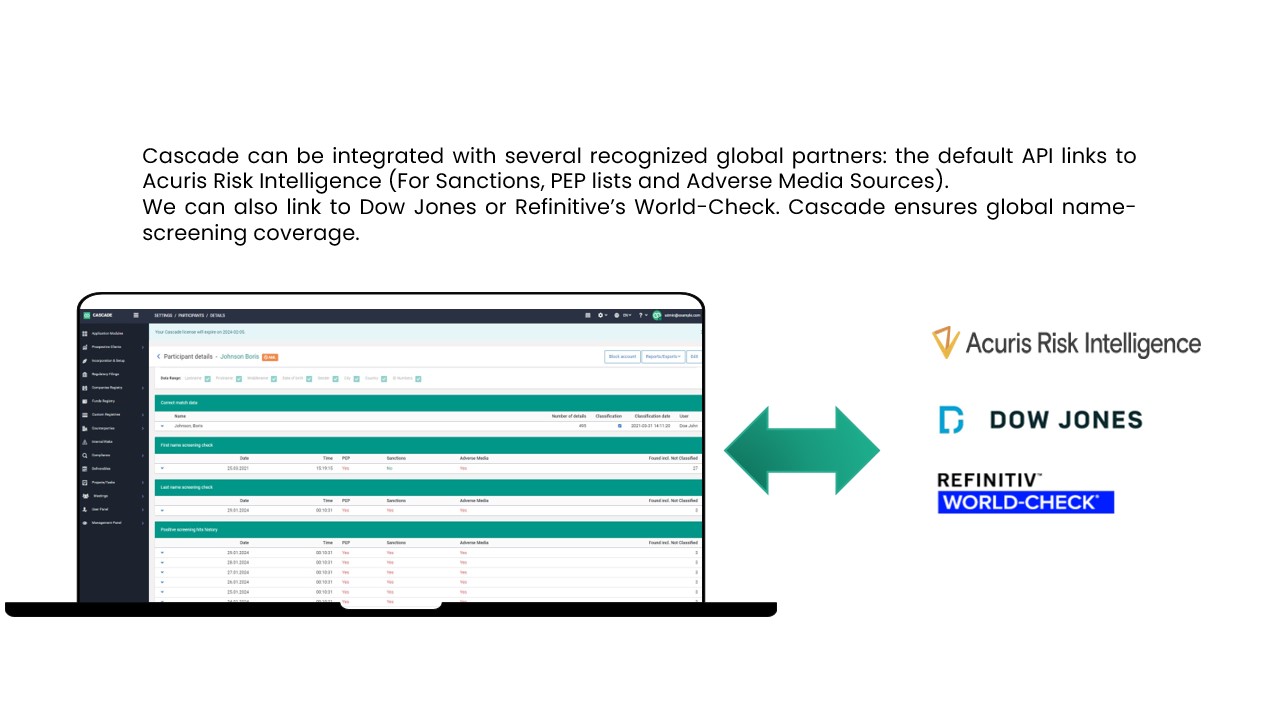
| Screening fragmentation | Screening results from multiple vendors stored separately; inconsistent rescreening schedules | Integrated screening across Dow Jones, and KYC6 with centralized alert management and automated reporting |
| Ongoing monitoring gaps | Transaction monitoring thresholds not configured by risk; adverse media alerts not systematically investigated | Risk-based monitoring workflows with configurable thresholds, automated investigation checklists, and escalation rules |
| Regulatory inspection exposure | Cannot quickly produce complete due diligence files; missing investigation documentation; no control testing evidence | Dashboard reporting on control execution rates, audit-ready file exports, and evidence of systematic compliance testing |
Five key upgrade triggers for fund administrators
Trigger 1: Regulators request evidence, and compliance cannot produce complete files
When fund regulators (FCA, CSSF, ESMA) conduct inspections, they request investor files and expect to see complete, timestamped due diligence evidence. If compliance teams must manually search multiple systems to assemble files, or if evidence is incomplete, regulators flag control deficiencies. Modern AML software for fund administrators produces audit-ready files on demand.
Trigger 2: Beneficial ownership verification is overdue for material client populations
Manual tracking means beneficial ownership verification schedules slip. Fund administrators should upgrade when overdue re-assessments exceed 10 per cent of the client base or when beneficial ownership updates have not occurred for 12+ months on high-risk clients.
Trigger 3: Screening matches are not investigated systematically
Sanctions or adverse media alerts arrive from multiple vendors; investigation decisions are documented informally or not at all. Without centralized alert management, high-risk matches may be overlooked, and remediation is undocumented.
Trigger 4: Risk-based monitoring thresholds are not consistently applied
If transaction monitoring thresholds vary by business unit, or if high-risk clients receive the same monitoring intensity as low-risk clients, the fund administrator’s risk-based approach is compromised. Upgrade to ensure thresholds are configured once and applied uniformly.
Trigger 5: Compliance staff spend more than 20 per cent of time on manual administration
If compliance officers are managing spreadsheets, chasing missing documentation, and manually scheduling re-assessments rather than performing substantive risk analysis, operational efficiency has deteriorated. Modern platforms automate routine administration.
Best practices for evaluating an AML software upgrade
Assess current-state gaps
Conduct a frank audit: can compliance produce complete audit trails? Are re-assessments on schedule? Is risk rating consistent? Document findings.
Define upgrade success criteria
What evidence will demonstrate that the upgrade succeeded? (e.g., regulatory inspection readiness, 100 per cent on-time re-assessments, zero audit gaps).
Evaluate integration scope
New AML software should integrate with your existing screening vendors, fund accounting systems, and document repositories. Fragmented systems persist if platforms don’t integrate.
Pilot with a cohort
Migrate a subset of clients to the new platform first. Test workflows, staff adoption, and data quality before full rollout.
Frequently asked questions
What metrics should fund administrators track to measure upgrade success?
Fund administrators should track the percentage of clients with current beneficial ownership verification, the re-assessment completion rate (target: 100 per cent on schedule), audit trail completeness (zero files missing required documentation), the investigation closure rate (all alerts documented), and the time spent on manual administration. These metrics establish baseline performance and demonstrate post-upgrade improvement.
How do fund administrators justify AML software upgrade spend to senior management?
Build a business case quantifying compliance risk: regulatory penalties, failed inspection findings, and audit remediation costs. Compare against platform investment and implementation time. Include operational efficiency gains: compliance staff time freed for substantive analysis, faster client onboarding, and improved inspection readiness.
How long does AML software upgrade implementation typically take?
Implementation timeline varies by organization size and system complexity, typically 8 to 16 weeks. The timeline includes data migration, workflow configuration, staff training, and parallel running before cutover. Phased implementation (cohort-based rollout) reduces timeline risk.
What is Cascade, and how does it simplify AML/KYC compliance?
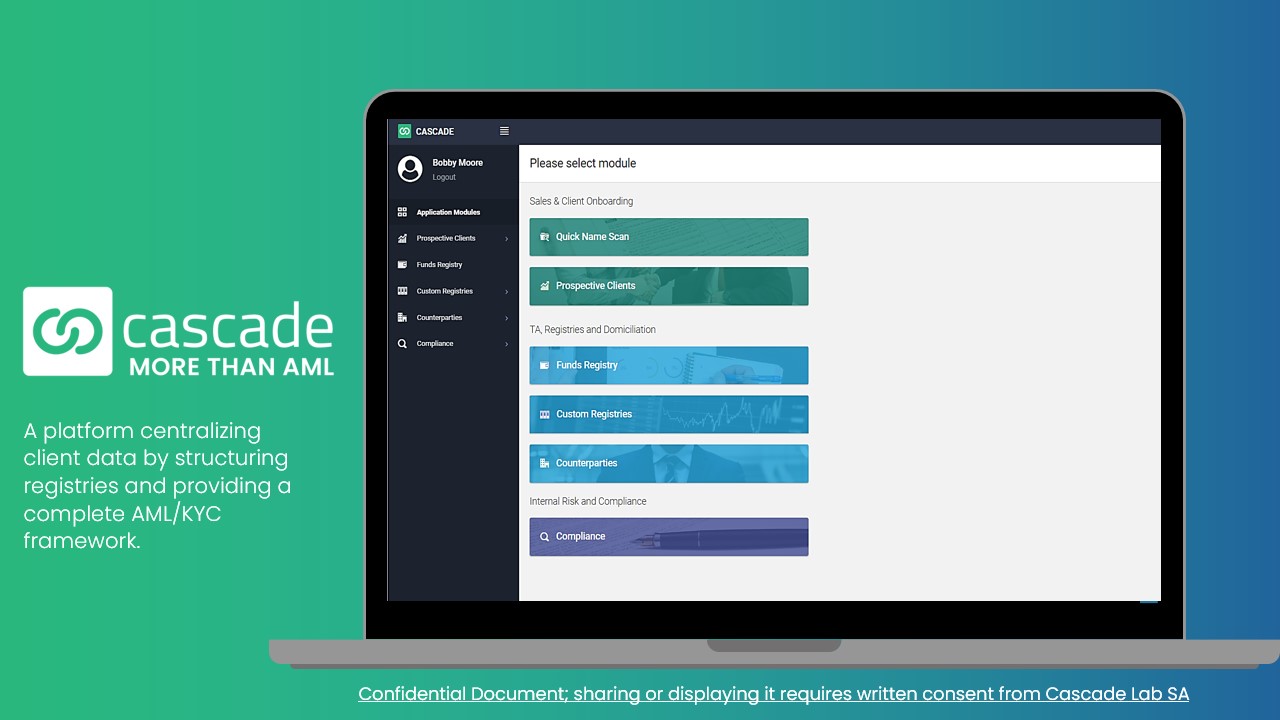
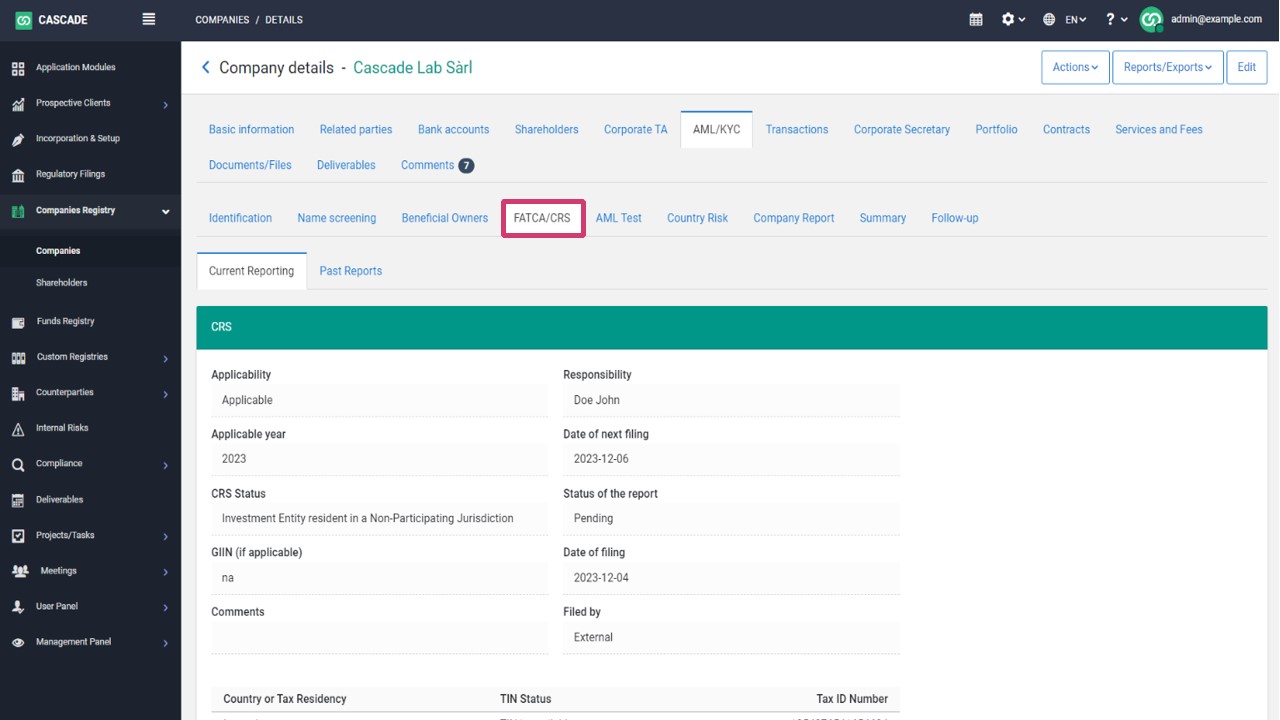
Cascade platform is an end-to-end AML software (SaaS platform) that centralises client data and supports AML/KYC workflows from onboarding and risk assessment through to ongoing monitoring and reporting. It helps compliance teams standardise processes, manage documents and screening, apply risk-based workflows, and maintain an audit trail of actions and decisions.
Who can benefit from using Cascade?
Cascade supports organisations with AML/KYC obligations, including financial services firms, fintechs, wealth managers, law firms and corporate service providers.
How does Cascade ensure data security and regulatory compliance?
Cascade provides controlled workflows, activity logging, and audit trails to support traceable AML/KYC processes. Compliance still depends on your policies, configuration, and applicable regulations.
How can I get started with Cascade?
Book a demo with Cascade to discuss your AML/KYC requirements, explore the platform, and identify how it can support your workflows.
Explore Cascade’s AML capabilities
Fund administrators managing compliance across spreadsheets and fragmented screening vendors face structural audit risk that modern AML software eliminates. Cascade is purpose-built for fund administrators: it centralizes client profiles, automates beneficial ownership re-verification, integrates screening from Dow Jones and KYC6, and produces audit-ready evidence of systematic risk-based due diligence.
To benchmark your current compliance workflows against a modern fund administrator platform, explore Cascade’s AML capabilities.
Disclaimer: This article is for general information only and based on publicly available sources and regulatory guidance at the time of writing. We have made our best effort to ensure accuracy and relevance to fund administrator AML compliance, but regulations, regulatory guidance, and technology capabilities can change. Always verify key details against current regulatory publications from the FCA, CSSF, ESMA, or your local regulator, and consult with a qualified compliance specialist or legal advisor before making compliance or software vendor decisions.


 English
 English (Australia)
 English (UK)