Last updated: September 2026,
If the UK government wants firms to spend less time on low-value anti-money laundering activity, what does it expect them to do better?
The UK Anti-Money Laundering and Asset Recovery Strategy 2026–2029 (AMLAR) provides a clear direction: focus resources on the highest risks, make better use of financial intelligence, and equip the system with better technology, data, and powers.
Published by the Home Office on 15 September 2026, the UK AML Strategy is built around three pillars: Target, Integrate, and Empower. It explicitly aims to focus effort on higher-harm threats while reducing lower-value compliance activity.
For regulated firms, this should not be interpreted as an invitation to do less AML compliance. Instead, it points towards a more evidence-led AML risk-based approach in the UK, where firms can explain why they treated a customer or activity as higher or lower risk and demonstrate how that assessment influenced their controls.
That makes the quality, connectivity, and auditability of AML data increasingly important.
What is the UK AML Strategy 2026–2029?
The Anti-Money Laundering and Asset Recovery Strategy 2026–2029 sets the direction of the UK’s AML and asset recovery system for the next three years.
The strategy has three core objectives:
- Make the UK’s defenses more effective and efficient while making it simpler and safer for legitimate businesses to grow
- disrupt money laundering and high-harm criminal networks
- recover more criminal assets for victims, law enforcement, and the public
The strategy is backed by at least £550 million of investment between 2026 and 2029. This comprises at least £520 million from the Economic Crime Levy and a further £30 million from the high-streets package announced at Budget 2025. It also includes more than 500 new officers.
The government organizes the strategy around three connected pillars:
Target
Resources should be concentrated on criminals, firms, products, and activities presenting the greatest harm, while lower-value activity is reduced.
Integrate
Government, law enforcement, and the private sector should make better use of information and financial intelligence, allowing suspicious activity to be identified and acted on earlier.
Empower
The AML system should have the people, technology, training, and legal powers necessary to respond effectively to increasingly complex financial crime.
For compliance teams, Target may prove particularly important. The strategy explicitly says that the system should deprioritize low-value activity and direct collective resources towards areas capable of producing greater impact.
Why is the AML risk-based approach becoming more important in the UK?
A risk-based approach is already central to UK AML compliance. The Money Laundering Regulations require relevant businesses to identify and assess their exposure to money laundering, terrorist financing, and, where applicable, proliferation financing risks.
The new AMLAR strategy reinforces the direction of travel.
Rather than treating every customer, transaction, or alert as presenting an equivalent threat, resources should be directed towards the areas where risk and potential harm are greatest.
The government says it wants AML supervision to become more consistent, intelligence-led, and outcomes-focused, allowing supervisors to focus on firms, products, and behaviors associated with greater harm while supporting proportionate risk-based decision-making by firms.
This creates an important practical question for compliance teams:
If you apply different levels of scrutiny according to risk, can you demonstrate why?
A defensible risk-based approach should make it possible to understand:
- Which customer, geographic, product, channel, or ownership factors affected a risk assessment
- What information was available when a decision was made
- why enhanced or simplified measures were considered appropriate
- how beneficial ownership affected the assessment
- whether screening results influenced the risk decision
- how subsequent information changed the customer’s risk profile
- who reviewed or approved significant decisions
- What evidence supports the resulting audit trail
The goal is not simply to generate a risk score. It is to connect the score to the evidence and decisions behind it.
What does reducing “low-value” AML activity actually mean?
The government’s position is unusually explicit.
The AMLAR Strategy says that low-value processes and reporting can divert resources away from the highest threats. It therefore proposes identifying regulatory requirements that are not genuinely effective at preventing money laundering and considering where activity can be deprioritized.
This is already visible in recent reforms.
For example, the strategy says changes to enhanced due diligence requirements for high-risk jurisdictions are estimated to save the regulated sector £178.1 million annually, allowing resources to be directed towards higher-value activity.
It also notes that the section 339A Proceeds of Crime Act threshold was increased from £1,000 to £3,000 in 2025. The government estimates this will remove approximately 25,000 Defence Against Money Laundering requests each year and reduce costs to the regulated sector by around £4 million annually.
Further reform is planned. The government intends to examine additional changes to the SARs regime and consult on further changes to the Money Laundering Regulations designed to improve proportionality.
The message for firms is therefore not “fewer controls at any cost.” It is closer to better allocation of finite compliance resources according to demonstrable risk.
UK AML supervision is moving towards intelligence-led oversight
The regulatory architecture is changing too.
The government has committed to significant consolidation of AML/CTF supervision. Under the planned model, the Financial Conduct Authority will take responsibility for AML/CTF supervision of legal, accountancy, trust, and company service providers.
According to AMLAR, this will reduce the number of AML/CTF supervisors from 25 to three, with the aim of creating stronger and more consistent supervision.
The government’s June 2026 response on supervisory reform similarly confirms that the FCA is expected to assume responsibilities currently held by the 22 private-sector professional body supervisors, as well as certain aspects of HMRC’s AML/CTF supervisory role.
For firms, consolidation could make consistency and demonstrable risk-based decision-making increasingly significant.
A risk assessment that exists only as a static onboarding document may be less useful than an assessment that can be connected to current customer, ownership, screening, and monitoring information.
Financial intelligence is becoming more connected
Another major AMLAR priority is the integration of financial intelligence.
The government plans to establish a new National Financial Intelligence Service (NFIS) within the National Economic Crime Centre. It is intended to bring together public-private financial intelligence capabilities and support earlier identification and disruption of criminal activity.
The strategy says the NFIS will use AI tools to analyze large datasets and identify suspicious patterns while extending established partnerships beyond banks to areas including:
- cryptoasset firms
- Money Service Businesses
- Electronic Money Institutions
The UK Financial Intelligence Unit will continue receiving, enriching, and disseminating Suspicious Activity Report intelligence while operating closely with the new NFIS. Over the strategy period, the government intends to move towards a more unified national financial intelligence capability.
The SARs Digital Service is part of the same modernization effort. The strategy commits to completing its implementation, moving away from legacy systems and improving the speed and effectiveness with which SARs’ information can be analyzed by the UKFIU and law enforcement.
For regulated businesses, this reinforces the importance of high-quality information. Better government analytics become considerably more useful when the underlying intelligence submitted by the regulated sector is accurate, contextual, and meaningful.
Technology is becoming part of the UK AML risk-based approach
Technology is not presented simply as an efficiency measure in AMLAR. It is also part of the government’s intended response to evolving financial crime.
The strategy specifically highlights AI, advanced analytics, and digital identity.
The government has already published guidance addressing the use of digital identity under the Money Laundering Regulations and its interaction with the UK’s digital verification services trust framework. AMLAR also proposes supporting technologies such as AI and digital identity to make customer due diligence and other aspects of AML compliance quicker and easier.
At the system level, the government expects AI and advanced analytics to improve the identification, investigation, and disruption of money laundering.
For compliance teams, however, automation does not remove the need for explainability.
Technology should support teams in answering questions such as,
What triggered this risk classification?
Which ownership information was considered?
What screening results were available?
Why was a particular review or investigation initiated?
What decision followed, and who made it?
That distinction matters. Automating a fragmented process can make it faster without necessarily making it more defensible.
Beneficial ownership data is becoming more important
AMLAR also places significant emphasis on ownership transparency.
One of the government’s stated outcomes is ownership data that is more accurate, searchable, and usable for tracing assets associated with corrupt elites and hostile actors.
This has practical implications for customer due diligence.
A legal entity cannot always be understood by examining its immediate shareholders in isolation. Complex corporate structures may require compliance teams to establish ownership chains, identify ultimate beneficial owners and connect those findings to screening and customer-risk decisions.
Changes in ownership also matter during an ongoing relationship.
A risk-based AML framework therefore benefits from treating beneficial ownership as connected compliance information rather than a one-off onboarding field.
Which sectors face particular attention under AMLAR?
The UK AML Strategy highlights several areas where financial crime risk is evolving quickly.
Payment Service Providers and Electronic Money Institutions
AMLAR identifies rapid fintech growth, particularly among Electronic Money Institutions and Payment Service Providers, as creating opportunities for illicit activity to be concealed among large volumes of legitimate transactions.
Cryptoassets and stablecoins
The strategy highlights cryptoassets as an evolving financial crime risk and dedicates specific attention to stablecoins.
It notes that stablecoins can offer benefits, including faster cross-border transfers, while also presenting risks of criminal exploitation. The Government intends to work with stablecoin issuers and other relevant bodies on processes for recovering cryptoassets and sharing operational information.
Professional enablers
The Government is also increasing attention on professionals who facilitate high-harm money laundering.
AMLAR proposes strengthening the NECC’s Professional Enablers Coordinator and consulting on whether further measures are required against high-harm professional enablers, particularly where national security risks are involved.
For affected firms, this makes strong customer, ownership and risk documentation particularly important.
What should UK firms do in practice?
The AML risk-based approach UK firms adopt should increasingly make the connection between risk, evidence, controls and decisions easy to demonstrate.
A practical readiness checklist is:
- ✅ Review whether customer risk assessments reflect current UK sector and national risk information.
- ✅ Check whether risk ratings can be traced back to specific risk factors and evidence.
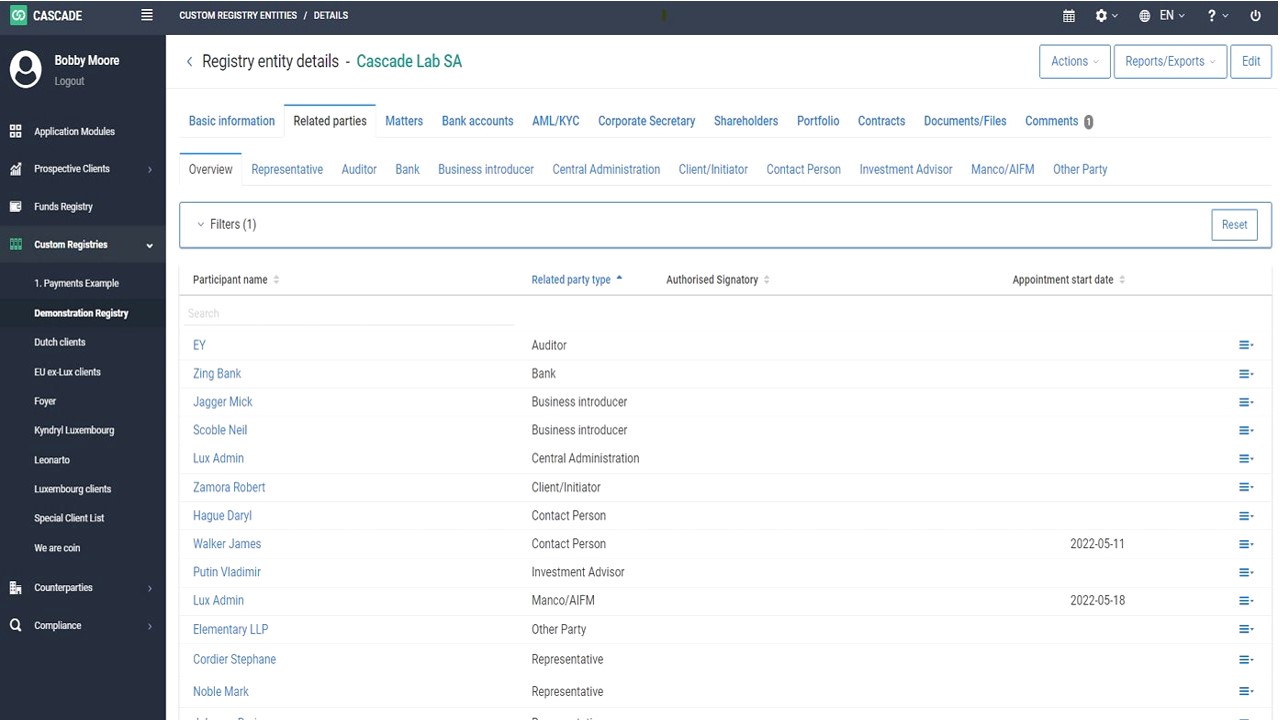
- ✅ Connect customer information with beneficial ownership and control structures.
- ✅ Ensure relevant screening outcomes can inform customer-risk decisions.
- ✅ Document the rationale for enhanced, standard or simplified treatment where applicable.
- ✅ Maintain evidence of reviews, approvals and changes in risk.
- ✅ Ensure ongoing monitoring can feed material information back into the customer profile.
- ✅ Review alert-handling processes to identify repetitive manual work that consumes investigation capacity.
- ✅ Consider how digital identity and automation could improve efficiency without weakening oversight.
- ✅ Monitor HM Treasury, FCA, HMRC, NCA and Home Office implementation measures as AMLAR moves from strategy to delivery.
The principle connecting these steps is straightforward: risk-based compliance works best when firms can demonstrate the basis of the risk decision.
From fragmented AML checks to connected decision-making
The direction established by AMLAR creates a strong case for connected AML and KYC processes.
Customer data, beneficial ownership, risk assessment, screening and ongoing review are closely related. When these processes sit in separate systems or spreadsheets, compliance teams can spend significant time reconstructing why a decision was made.
An end-to-end platform can potentially help firms create a more connected workflow.
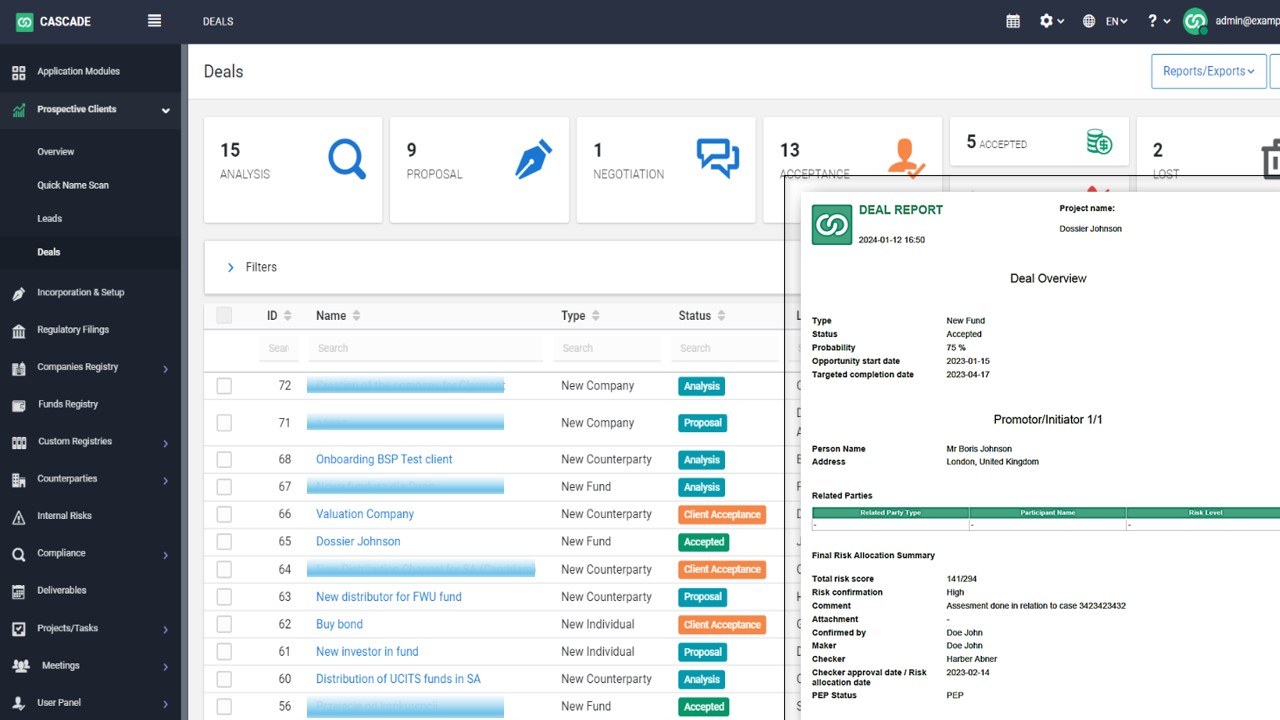
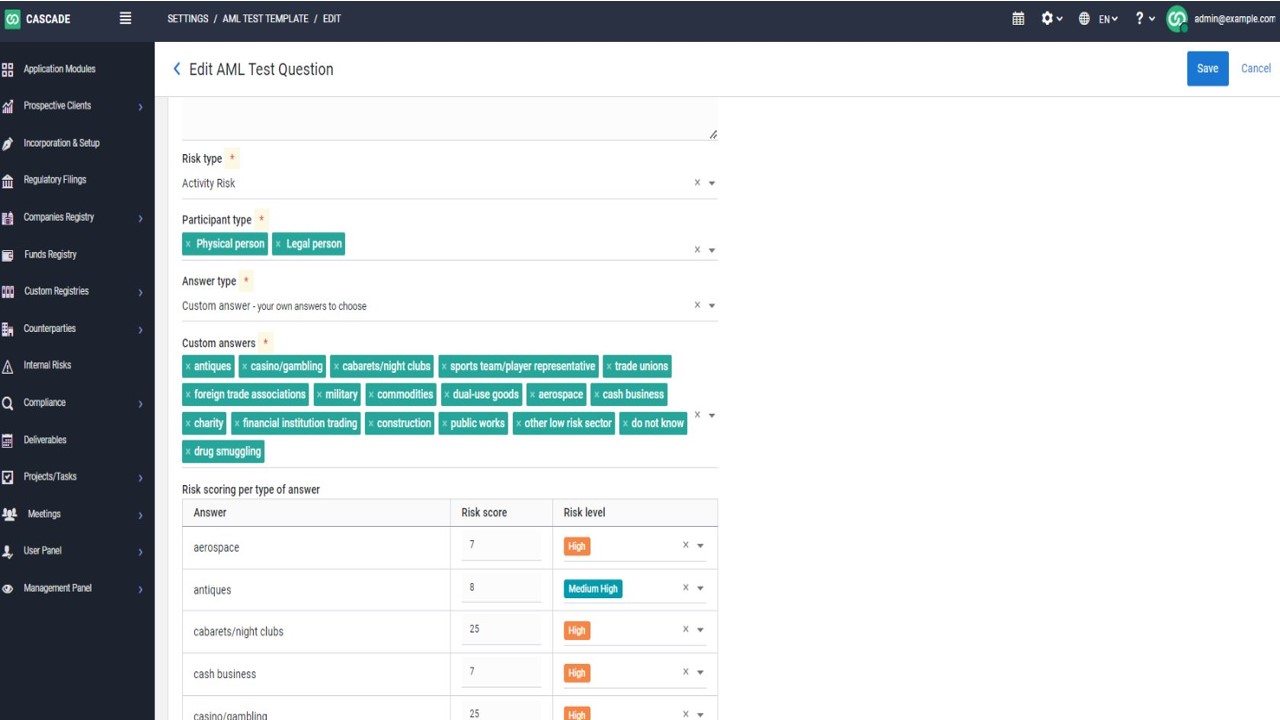
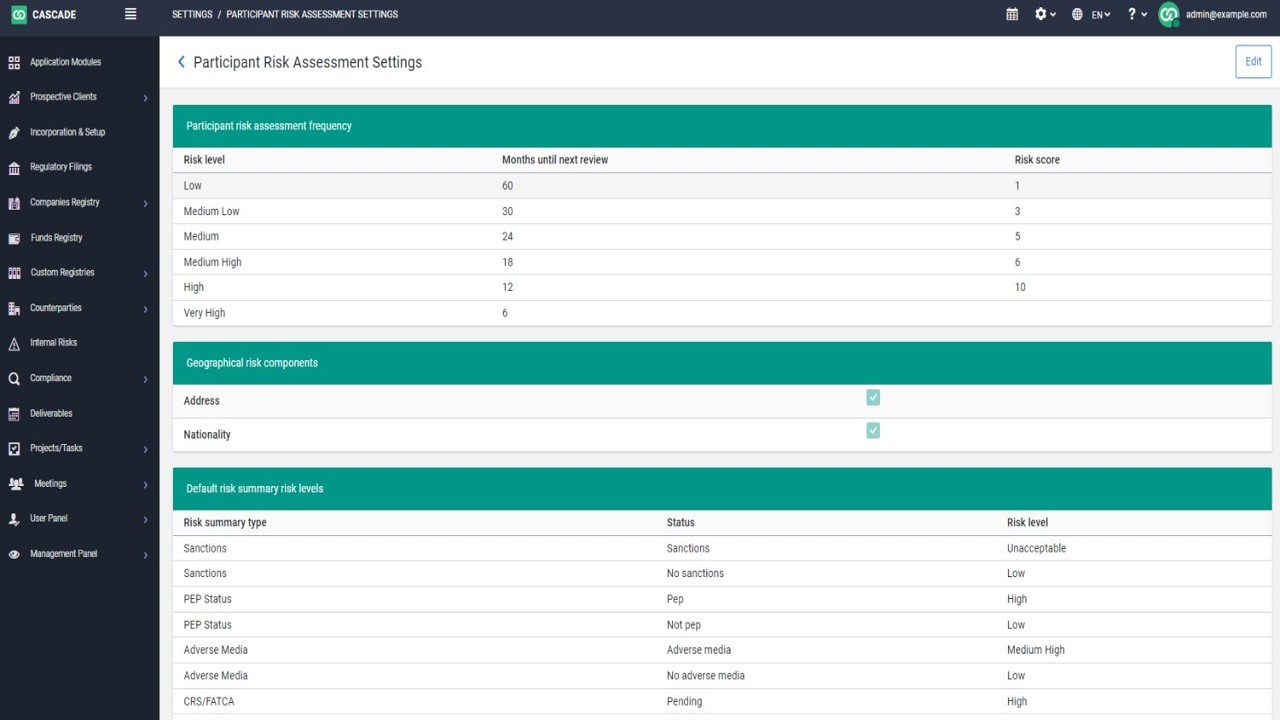
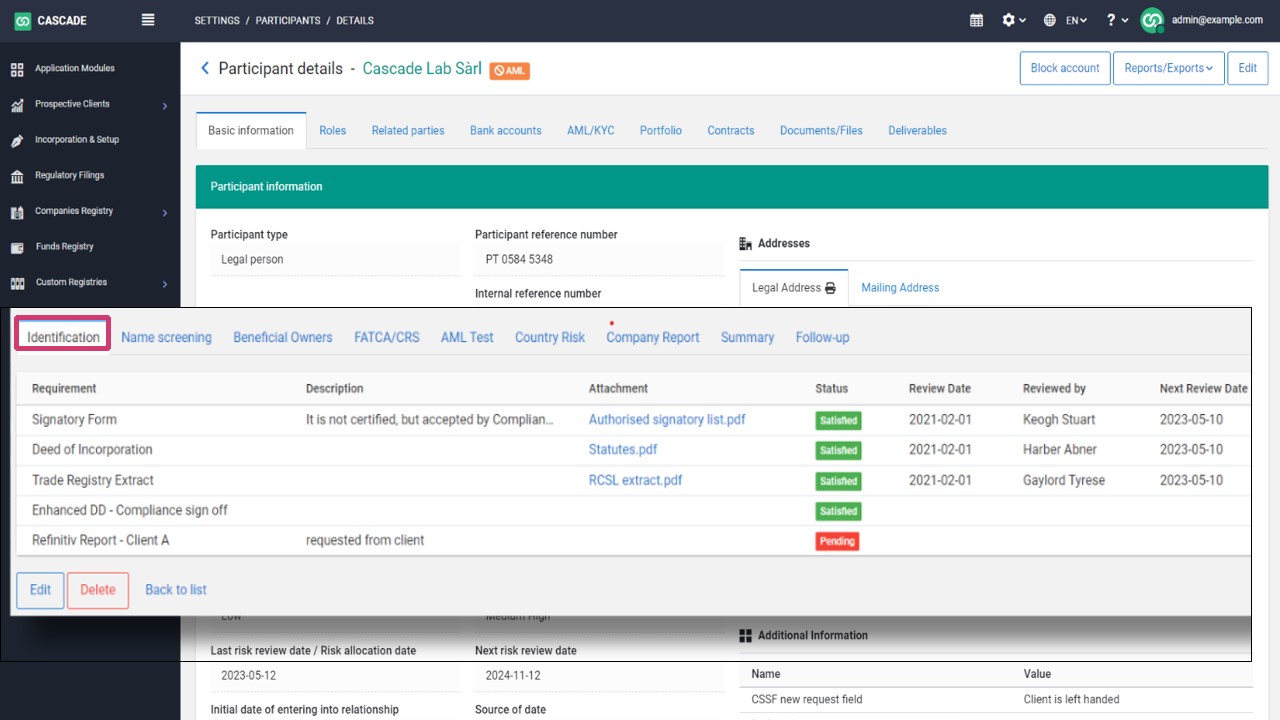
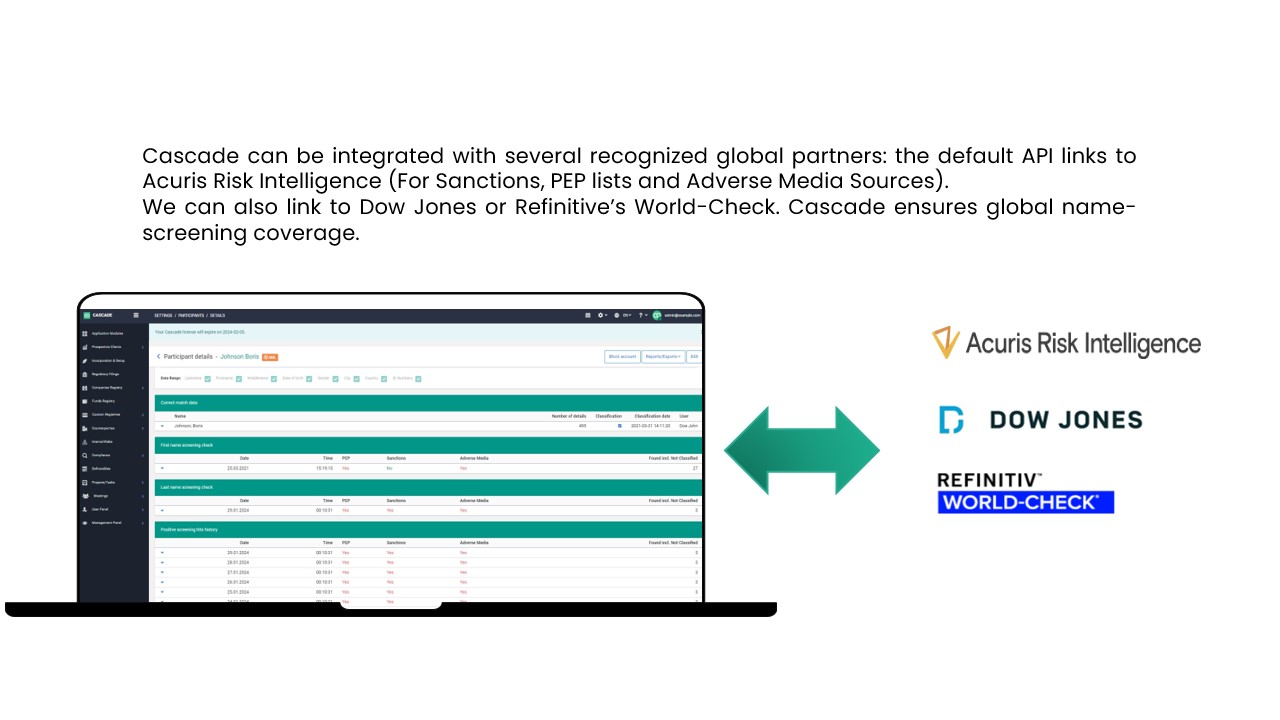
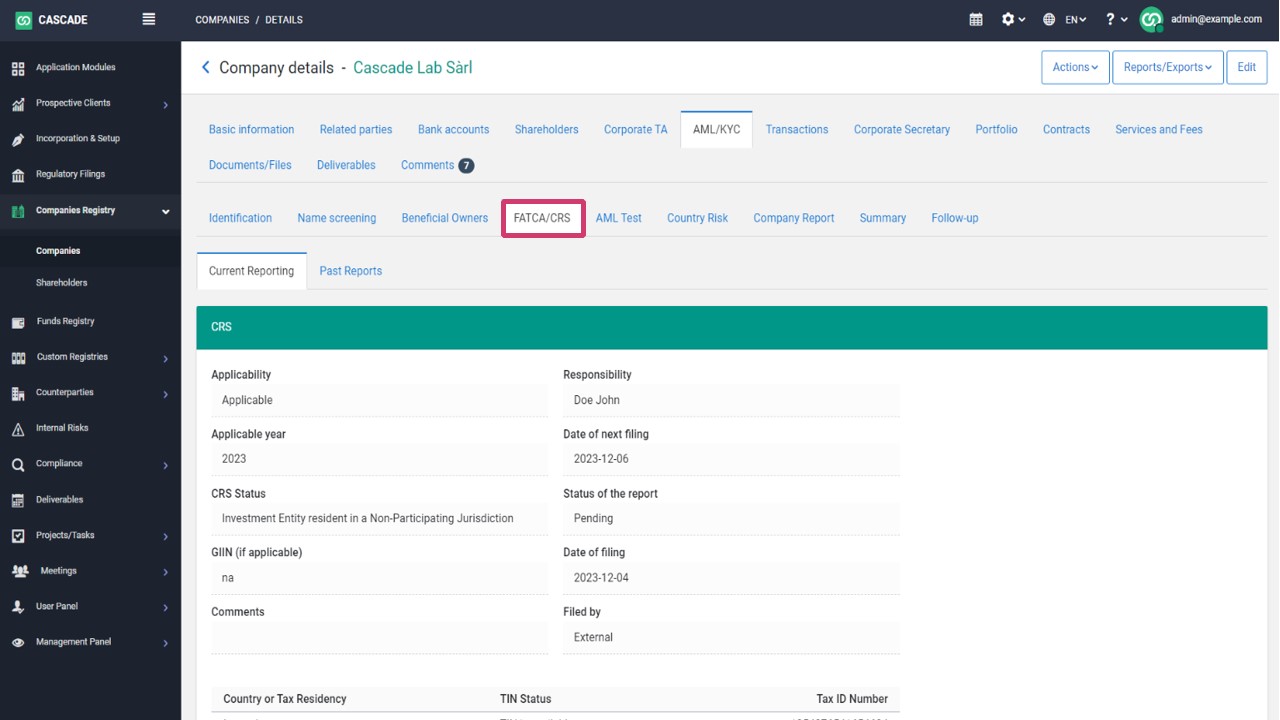
Cascade’s AML Software is designed around bringing AML and KYC processes into a single environment, with capabilities covering areas such as a risk-based approach, UBO mapping, embedded screening and documented decisions.
For compliance teams, the objective is not simply greater automation. It is to make relevant information easier to connect so investigators can concentrate attention where judgement and investigation add the greatest value, while retaining a clear audit trail.
This aligns with the broader direction of the UK AML Strategy: less resource devoted to low-value activity, and more attention directed towards meaningful financial crime risk.
FAQ: UK AML Strategy 2026–2029
What is AMLAR in the UK?
AMLAR refers to the UK’s Anti-Money Laundering and Asset Recovery Strategy 2026–2029, published by the Home Office in September 2026. It sets the Government’s direction for strengthening AML defences, disrupting money laundering and recovering criminal assets.
What are the three pillars of the UK AML Strategy?
The three AMLAR pillars are Target, Integrate and Empower. They focus respectively on prioritising higher-harm risks, connecting intelligence and partners, and improving the people, technology and powers available to the AML system.
Does AMLAR mean UK firms can do less AML compliance?
Not automatically. The strategy seeks to reduce low-value activity and make AML requirements more proportionate, while directing resources towards higher-risk threats. Firms still need to meet applicable legal and regulatory requirements.
What is the AML risk-based approach in the UK?
A risk-based approach involves identifying and assessing relevant money laundering and related financial crime risks and applying controls proportionately. In practice, firms should be able to explain the information and risk factors behind their decisions.
How is UK AML supervision changing?
A risk-based approach involves identifying and assessing relevant money laundering and related financial crime risks and applying controls proportionately. In practice, firms should be able to explain the information and risk factors behind their decisions.
How is UK AML supervision changing?
The Government’s planned reform will consolidate AML/CTF supervision from 25 supervisors to three. The FCA is expected to take responsibility for supervising legal, accountancy and trust and company service providers as part of that reform.
What is the National Financial Intelligence Service?
The planned National Financial Intelligence Service will be an NECC-hosted public-private capability designed to integrate financial intelligence and help identify criminal networks earlier. The strategy envisages close alignment between NFIS and the UKFIU.
How does AMLAR address AI?
The strategy proposes using AI and advanced analytics across financial intelligence and law enforcement and recognises technology’s potential to make aspects of AML compliance more efficient. It also recognises that AI can create new money laundering risks.
Related reading
- Cascade Resource: Risk-Based AML and KYC
- Cascade Resource: Ultimate Beneficial Ownership and UBO Mapping
- Cascade Resource: AML Name Screening
- UK Anti-Money Laundering and Asset Recovery Strategy 2026–2029
- HM Treasury AML/CTF Supervision Reform
- HMRC Anti-Money Laundering Guidance for Supervised Businesses
Explore Cascade‘s AML KYC Capabilities
The UK’s AMLAR Strategy points towards a more targeted AML system in which resources follow risk, information is better connected and technology reduces unnecessary friction.
For regulated firms, achieving that in practice requires more than a risk score. Customer information, beneficial ownership, screening, ongoing reviews and compliance decisions need to form a coherent and defensible record.
Cascade’s AML Software (SaaS Platform) can support firms looking to bring these AML and KYC processes into a more connected workflow, helping compliance teams focus their time on the customers, alerts and investigations requiring closer attention.
Disclaimer:
This content does not constitute legal or regulatory advice. UK AML obligations vary according to a firm’s activities, regulatory status and circumstances. Firms should consult applicable legislation and regulatory guidance and seek advice from a suitably qualified UK AML professional where appropriate.
This article is for general information only and based on publicly available sources at the time of writing. We’ve done our best to make it accurate and useful, but AML rules and business needs can change. Always double-check key details and speak with a qualified expert before making compliance or vendor decisions.



 English
  English (Australia)
  English (UK)