The EU AML Package is reshaping the anti-money laundering and counter-terrorist financing framework across Europe. For financial institutions and compliance teams in Luxembourg, attention is now shifting from understanding the legislation to a more practical question: how should firms prepare for implementation?
On 16 September 2026, Cascade and Palana will bring together professionals in Luxembourg for EU AML Package: How to Implement Now?, an evening focused on regulatory expertise, technology, data and the operational implications of the new European AML framework.
Taking place at the Sofitel Luxembourg Europe in Kirchberg, the event is designed to move the conversation beyond regulatory theory. The objective is to explore what organisations can start doing now to prepare their compliance frameworks, processes and data for the changes ahead.
For Luxembourg’s financial sector, the timing is particularly relevant. Much of the new European framework will apply from 10 July 2027, while the EU’s new AML authority is already developing the technical standards and supervisory methodologies that will support implementation.
What is the EU AML Package?
The EU AML Package is a major reform of the European Union’s framework for preventing money laundering and terrorist financing.
The European Commission originally proposed the package to strengthen the consistency and effectiveness of AML/CFT rules across the EU. It introduces more harmonised rules for obliged entities, a new European supervisory authority and changes to the way national AML/CFT frameworks operate.
According to the European Commission, the package was designed to improve the detection of suspicious transactions and close gaps that can be exploited for money laundering or terrorist financing.
Its main components include:
- a directly applicable EU regulation containing AML/CFT requirements for obliged entities;
- a new EU authority dedicated to anti-money laundering and countering the financing of terrorism;
- a new AML/CFT directive addressing Member State mechanisms, supervisors and Financial Intelligence Units;
- revised rules governing information accompanying transfers of funds and certain crypto-asset transfers.
Together, these measures are intended to create a more consistent EU AML/CFT Single Rulebook.
For Luxembourg organisations operating across borders, that harmonisation is particularly significant.
Why does the EU AML Package matter for Luxembourg?
Luxembourg is one of Europe’s most internationally connected financial centres. Banks, investment fund managers, investment firms, payment institutions and other financial-sector professionals regularly operate across jurisdictions and serve international customer bases.
A more harmonised European AML framework therefore has direct operational implications.
The CSSF remains responsible for ensuring that professionals under its AML/CFT supervision comply with their obligations and implement an appropriate risk-based approach.
At the same time, the European framework around that national supervision is evolving.
The CSSF has already been communicating with Luxembourg professionals about the new EU framework, including European-level preparations for future direct supervision and the development of technical AML standards.
The question for firms is consequently no longer simply, “What is changing?”
It is increasingly:
“What does our organisation need to change before the new framework applies?”
That is the implementation challenge at the centre of the Cascade and Palana event.
When does the new EU AML framework apply?
One of the central pieces of the EU AML Package, Regulation (EU) 2024/1624, will apply from 10 July 2027 for most obliged entities.
The regulation is directly applicable throughout EU Member States, including Luxembourg. This differs from a directive, which requires implementation through national legislation.
The application date is confirmed in the official EUR-Lex text of Regulation (EU) 2024/1624.
For compliance teams, however, July 2027 should be understood as an implementation deadline rather than the point at which preparation begins.
Customer information, risk models, compliance procedures, data structures, technology and internal governance may all need to be reviewed before then.
That makes the remainder of 2026 an important preparation period.
Why should firms start preparing now?
Because detailed requirements are already taking shape
The primary legislation is only one part of the new AML framework.
The EU Authority for Anti-Money Laundering and Countering the Financing of Terrorism is developing Regulatory Technical Standards, Implementing Technical Standards, guidelines and recommendations to clarify how requirements should work in practice.
AMLA describes these instruments as an important part of promoting convergence and consistent implementation across EU Member States. Its current work can be followed through its official regulatory instruments overview.
During 2026, for example, AMLA has been working on areas including:
- customer due diligence;
- ongoing monitoring;
- identification of business relationships and linked transactions;
- risk assessment;
- group-wide requirements;
- reporting of suspicions;
- supervisory methodologies.
These developments matter because implementation decisions made today need to remain flexible enough to accommodate a more detailed European rulebook.
Because customer due diligence is becoming more harmonised
Customer due diligence is a core part of the EU AML Package.
In 2026, AMLA consulted specifically on technical standards setting out how obliged entities should apply customer due diligence requirements, including the information and documentation to be collected.
The AMLA customer due diligence consultation emphasises legal clarity, proportionality and a risk-based approach.
For Luxembourg firms, this makes now a useful time to examine questions such as:
- Is customer information complete and structured consistently?
- Can beneficial ownership information be identified and reviewed effectively?
- Are higher-risk relationships subject to appropriately enhanced controls?
- Is the rationale behind a customer risk classification clearly documented?
- Can customer information be updated efficiently when circumstances change?
These are not simply policy questions. They are also questions about data, processes and systems.
Why technology and data are part of the EU AML Package discussion
A compliance framework can be well designed on paper and still create operational challenges if the underlying data and workflows do not support it.
Consider a straightforward requirement: higher-risk customers should receive greater scrutiny.
Implementing that principle may require a firm to:
- collect the right customer information;
- identify relevant risk factors;
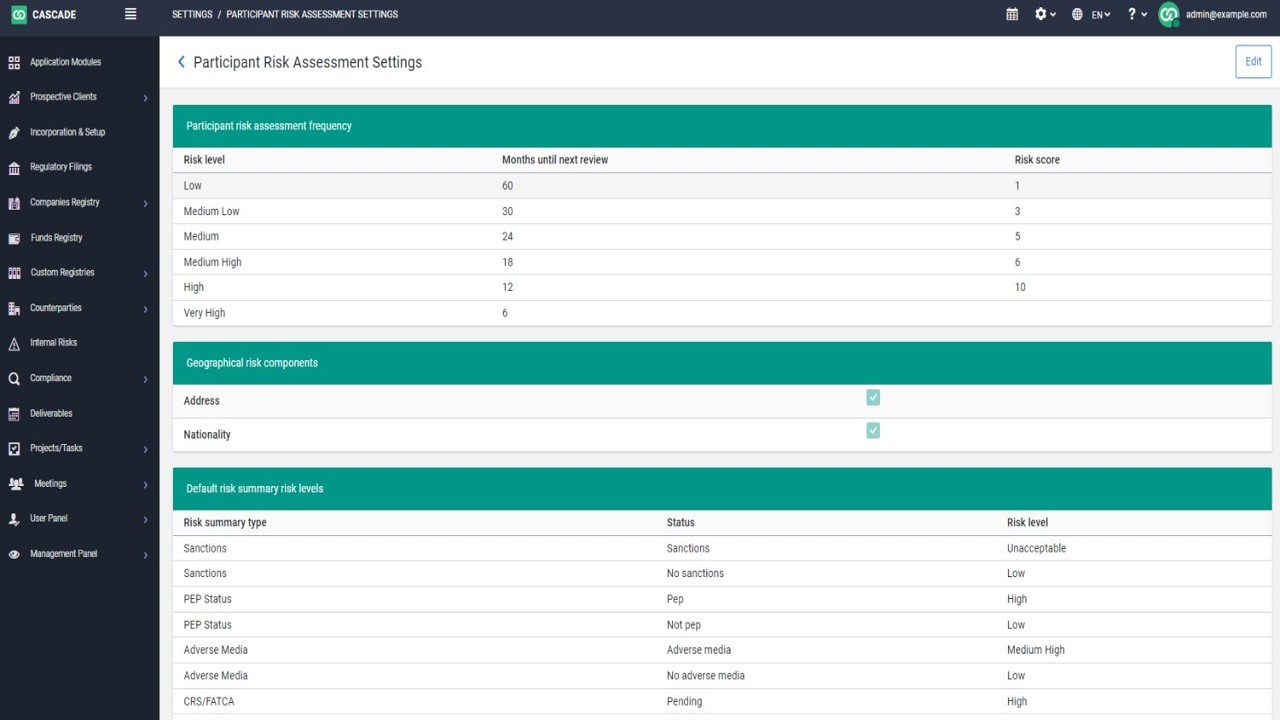
- calculate or assign a customer risk level;
- initiate the correct due diligence workflow;
- perform screening and other required checks;
- document decisions;
- monitor the relationship;
- identify material changes;
- escalate relevant alerts;
- retain evidence for compliance and supervisory review.
If each stage depends on disconnected systems, spreadsheets, emails or manual re-entry, implementing a more harmonised regulatory framework can become substantially more difficult.
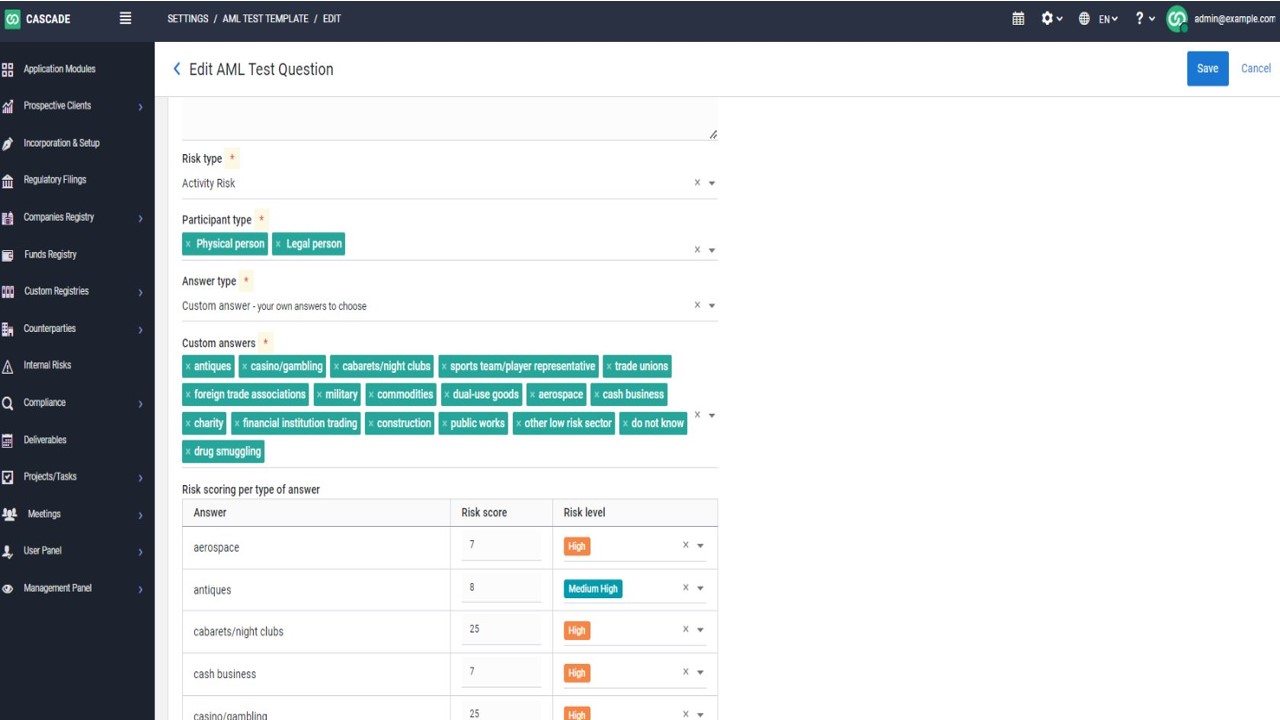
This is why technology and data management form a dedicated part of the Cascade and Palana event agenda.
The objective should not be automation for its own sake. Technology should support a well-defined compliance framework and enable compliance professionals to apply risk-based judgement more consistently.
What should Luxembourg firms review ahead of the EU AML Package?
A practical readiness exercise can start before every technical standard has been finalised.
1. Review the existing AML framework
Organisations should map their current AML/CFT policies and processes against the incoming European framework.
Questions to consider include:
- Which parts of our existing framework are already aligned?
- Where are the most significant gaps?
- Which gaps require policy changes?
- Which require technology or data changes?
- Which require input from multiple business functions?
A structured gap analysis can help prevent implementation from becoming a last-minute regulatory project.
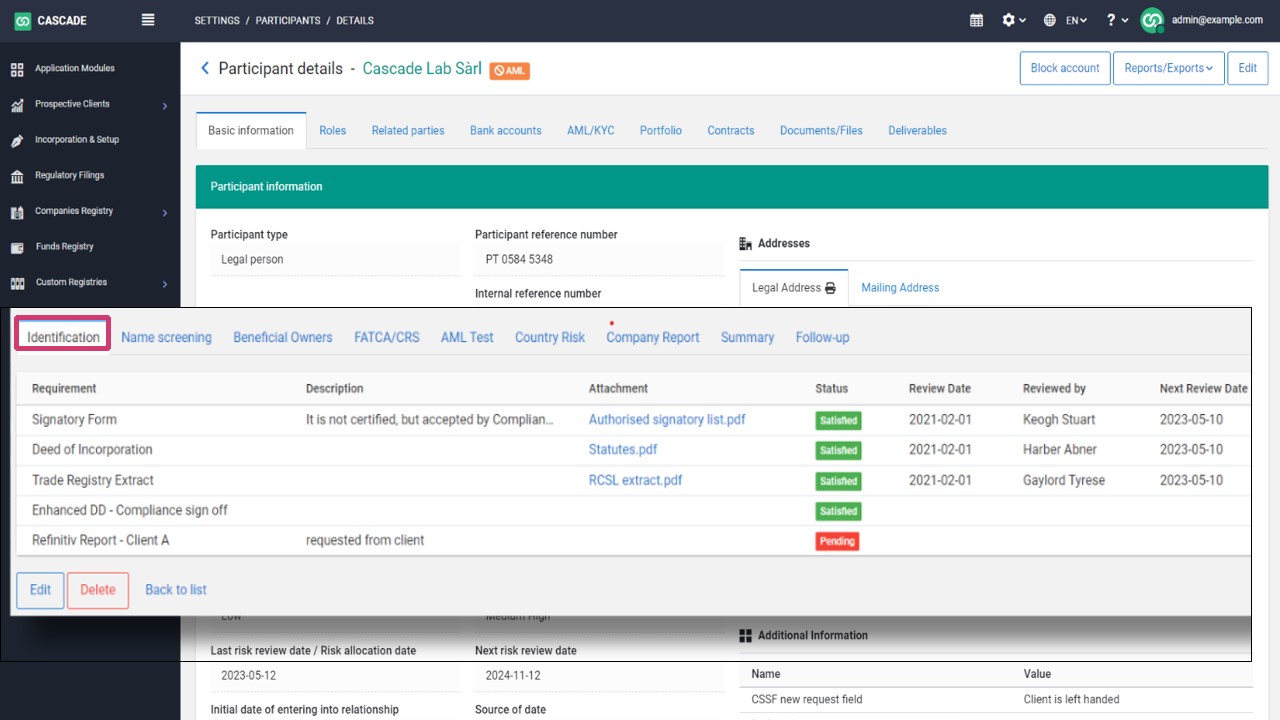
2. Examine KYC and customer data
Compliance teams should understand where customer and beneficial ownership information is stored and how reliable it is.
Consider:
- Is information structured or contained mainly in documents?
- Can customer records be searched and analysed?
- Are changes recorded over time?
- Are missing data fields visible?
- Can information be shared between relevant compliance processes without unnecessary duplication?
Better data foundations can make subsequent compliance changes easier to implement.
3. Test the risk-based approach
The regulators continue to emphasise the importance of a risk-based approach to AML/CFT supervision and expects professionals to allocate appropriate resources to higher-risk customers and products.
A useful implementation question is therefore:
Does our customer risk classification actually change what happens operationally?
Higher risk should be capable of triggering appropriate controls rather than existing only as a score within a database.
Firms can review whether customer risk affects:
- due diligence requirements;
- approval levels;
- monitoring intensity;
- review frequency;
- screening investigation;
- escalation procedures.
4. Review screening and alert management
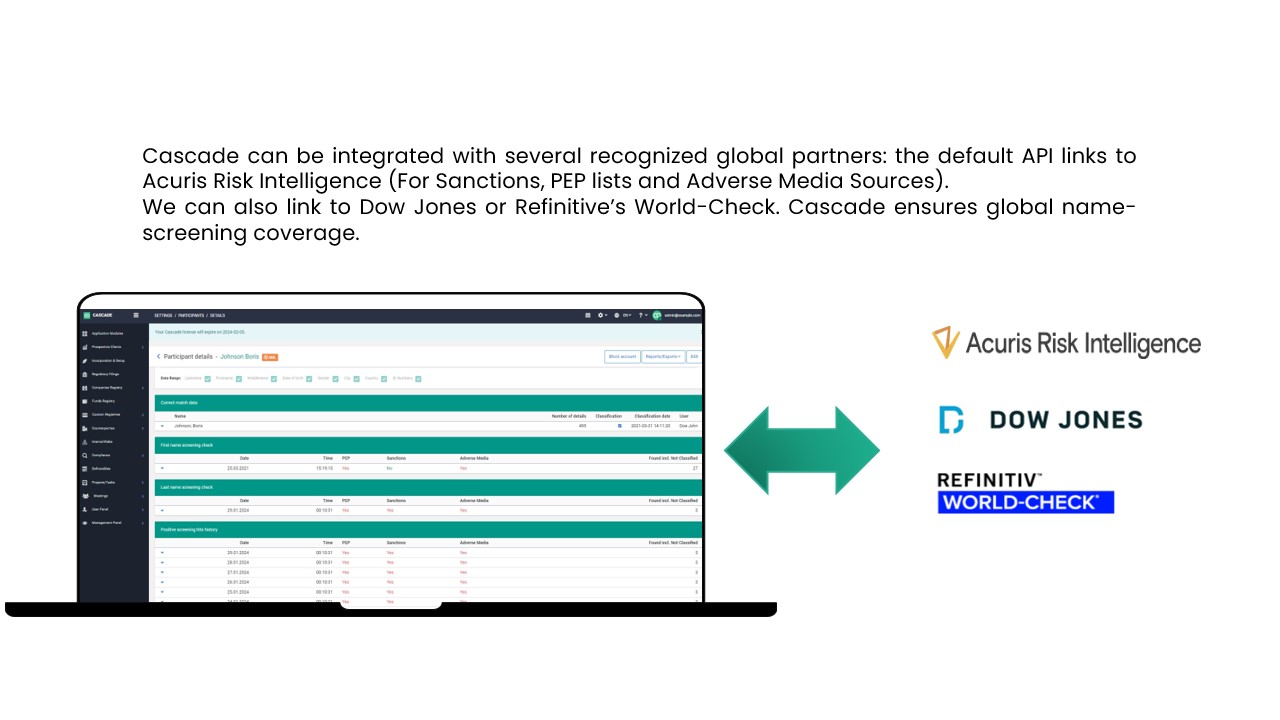
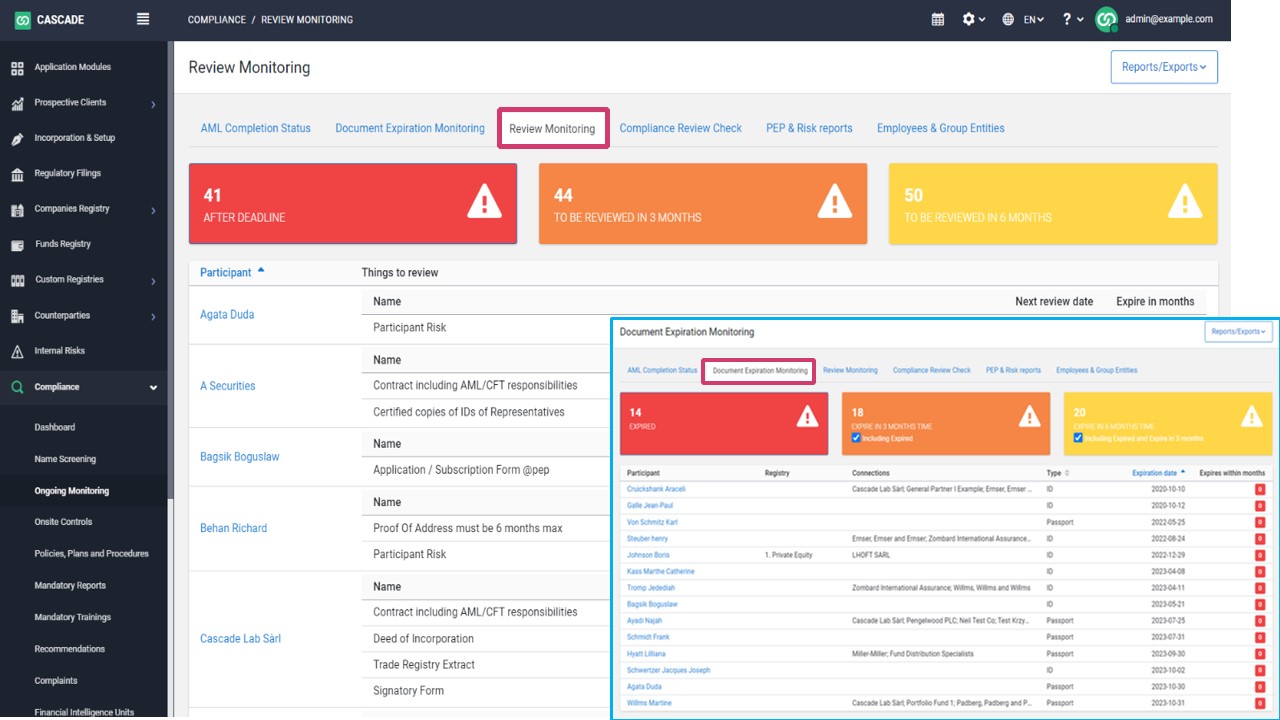
Name screening is another area where operational efficiency and regulatory effectiveness need to work together.
Generating an alert is only the beginning.
Compliance teams should understand:
- how alerts are generated;
- how potential matches are prioritised;
- how analysts investigate them;
- how decisions are documented;
- how false positives are handled;
- when escalation is required;
- whether management can measure screening effectiveness.
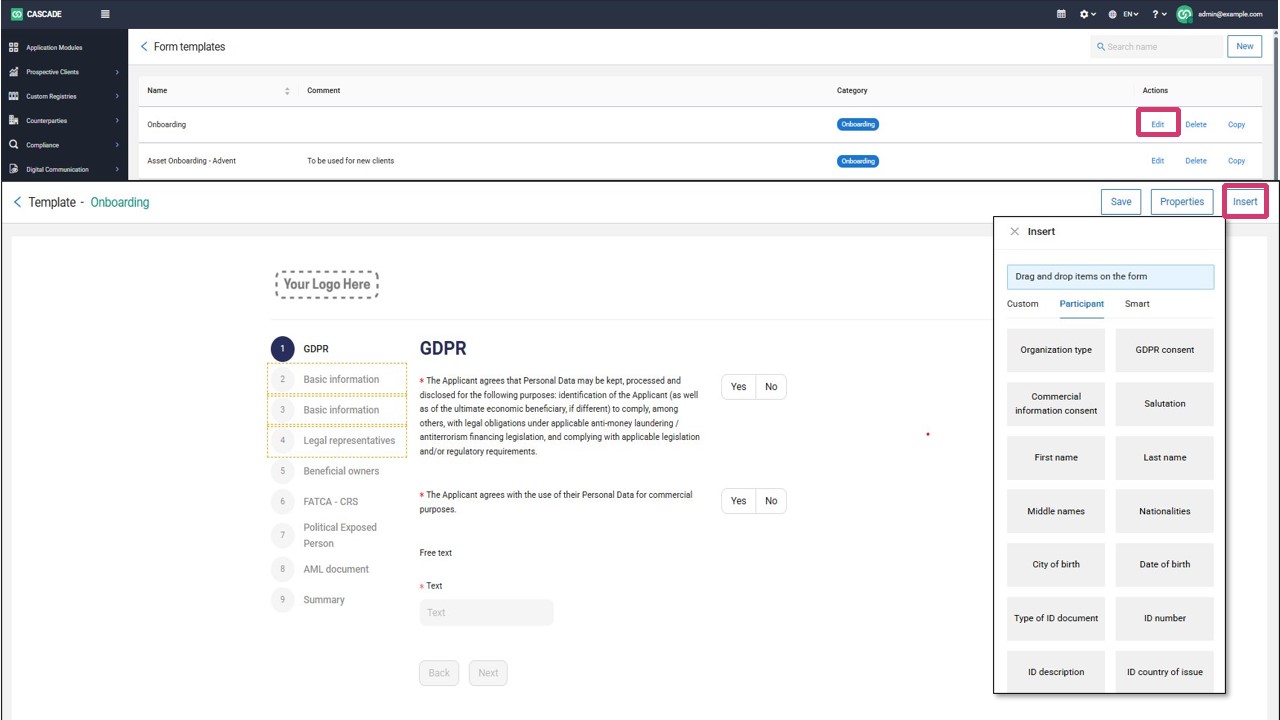
5. Review onboarding workflows
Customer onboarding brings together several elements of AML compliance.
A fragmented process can make it difficult to maintain a consistent view of the customer.
Firms preparing for the EU AML Package can therefore examine whether onboarding information flows effectively into:
- customer due diligence;
- beneficial ownership identification;
- risk assessment;
- screening;
- approvals;
- ongoing monitoring.
6. Improve compliance reporting
Management information becomes particularly valuable during a period of regulatory transition.
Compliance leaders may need visibility over:
- customers by risk category;
- outstanding KYC reviews;
- unresolved screening alerts;
- onboarding cases;
- exceptions;
- remediation progress;
- data-quality issues;
- operational bottlenecks.
The objective is to identify weaknesses before they become larger implementation problems.
EU AML Package: How to Implement Now?
Against this regulatory backdrop, Cascade and Palana are hosting an evening dedicated to the practical implementation of the EU AML Package in Luxembourg.
Event details
Date: Wednesday, 16 September 2026
Start: 18:30
Location: Sofitel Luxembourg Europe, Kirchberg
Address: 6 Rue du Fort Niedergruenewald, Luxembourg
Hosted by: Cascade and Palana
The evening is intended for professionals who want to understand how regulatory expertise, technology and data can work together as organisations prepare for the new AML framework.
Who should attend?
The event is particularly relevant for professionals involved in AML/CFT compliance and transformation within Luxembourg’s financial sector, including:
- AML and compliance officers;
- MLROs and RCs;
- risk professionals;
- legal and regulatory teams;
- financial crime specialists;
- operations leaders;
- KYC and onboarding teams;
- data specialists;
- technology and transformation professionals;
- senior managers responsible for AML governance.
Professionals from banks, investment firms, asset managers, payment businesses and other obliged entities may all benefit from understanding how the European framework is developing.
What questions should you bring to the event?
A useful way to prepare is to identify the implementation questions that matter most to your organisation.
For example:
- Which parts of the EU AML Package will create the biggest operational changes for us?
- Where should our gap analysis begin?
- What customer data will need attention?
- Are our current KYC processes sufficiently risk-based?
- How should we prepare systems while technical standards are still developing?
- Where can automation improve efficiency without weakening human oversight?
- How can we make AML processes easier to audit and explain?
- How should regulatory, compliance, data and technology teams work together?
These are exactly the types of questions that turn regulatory awareness into practical readiness.
Frequently asked questions about the EU AML Package in Luxembourg
What is the EU AML Package?
The EU AML Package is a set of European legislative measures designed to strengthen and harmonise AML/CFT rules across the EU. It includes directly applicable requirements for obliged entities, a new European AML authority and changes to Member State supervisory and FIU frameworks.
When will the EU AML Package apply in Luxembourg?
Different parts of the framework follow different timelines. One of its central components, Regulation (EU) 2024/1624, applies to most obliged entities from 10 July 2027.
Is the EU AML Package directly applicable in Luxembourg?
The new EU AML Regulation is directly applicable in all Member States, including Luxembourg. Other elements of the package include directive provisions that require implementation at national level.
Does the EU AML Package replace Luxembourg AML rules?
No. The new framework increases EU-level harmonisation, but Luxembourg organisations must continue to consider applicable national legislation and the requirements and guidance of their competent supervisory authorities.
Why should Luxembourg firms prepare in 2026?
Because implementation can require changes to customer data, risk methodologies, policies, workflows, technology and governance. AMLA is also already developing the detailed regulatory and supervisory standards supporting the new European framework.
Do firms need new AML technology because of the EU AML Package?
Not automatically. Firms should first assess their regulatory requirements and identify weaknesses in their existing processes. Technology may support areas such as workflow management, screening, onboarding and reporting when appropriately configured, but it does not replace compliance judgement or legal analysis.
From EU AML Package rules to practical implementation
The next stage of the EU AML Package is increasingly about execution.
For Luxembourg AML compliance teams, there is still time to prepare, but waiting for every technical detail to be finalised may make implementation unnecessarily difficult.
Organisations can already review the quality of their customer data, evaluate risk-based processes, identify workflow weaknesses, assess their technology environment and establish clear ownership for regulatory change.
The aim is not simply to be ready for a date on the regulatory calendar.
It is to build an AML framework that can respond effectively to a more harmonised and increasingly data-driven European compliance environment.
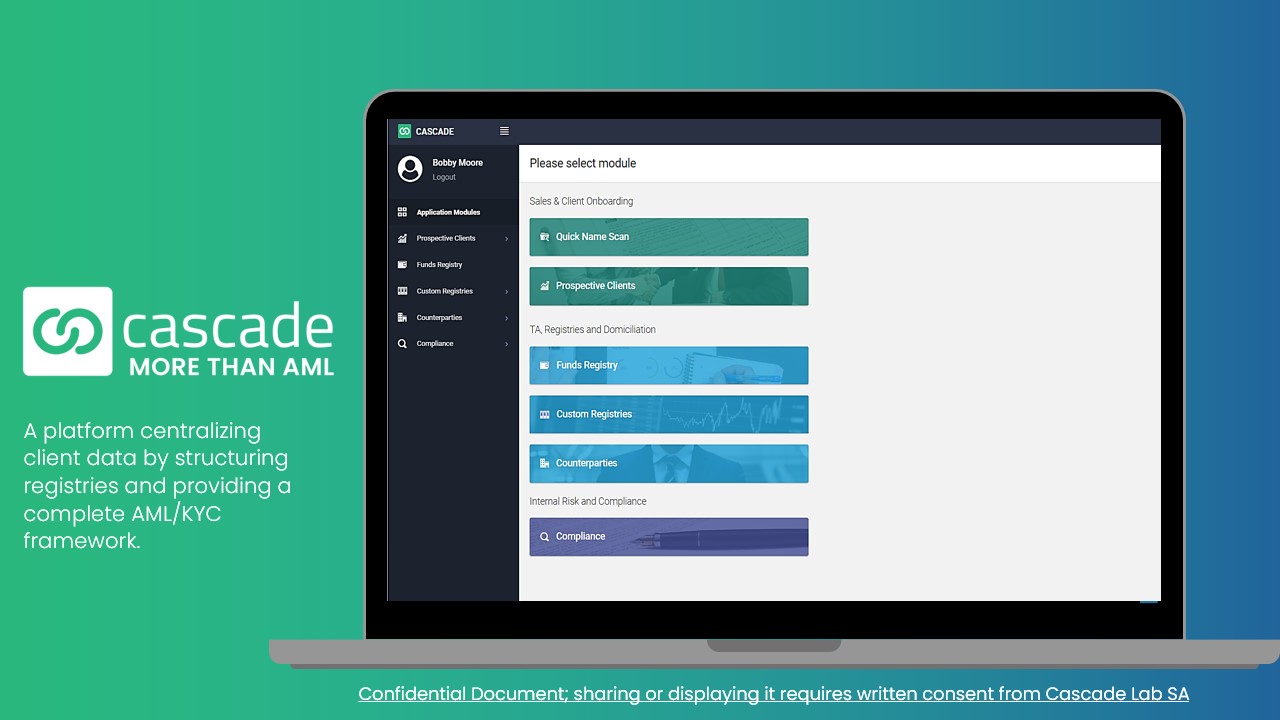
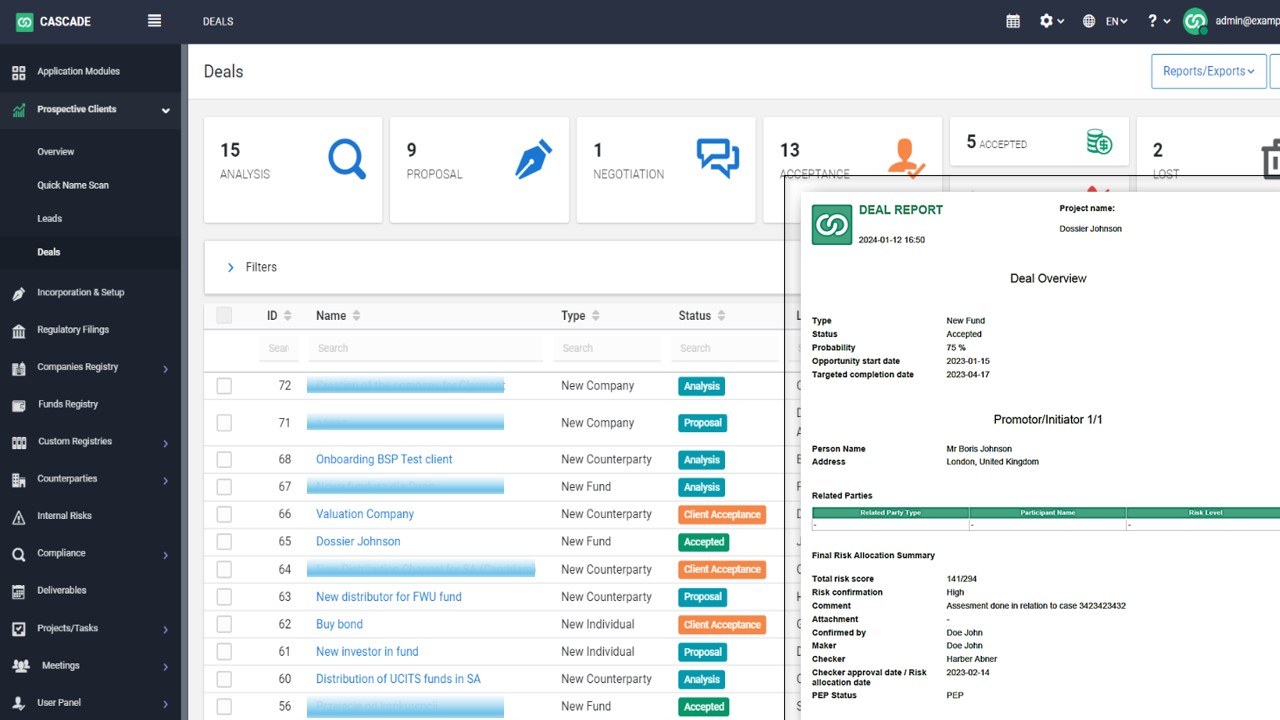
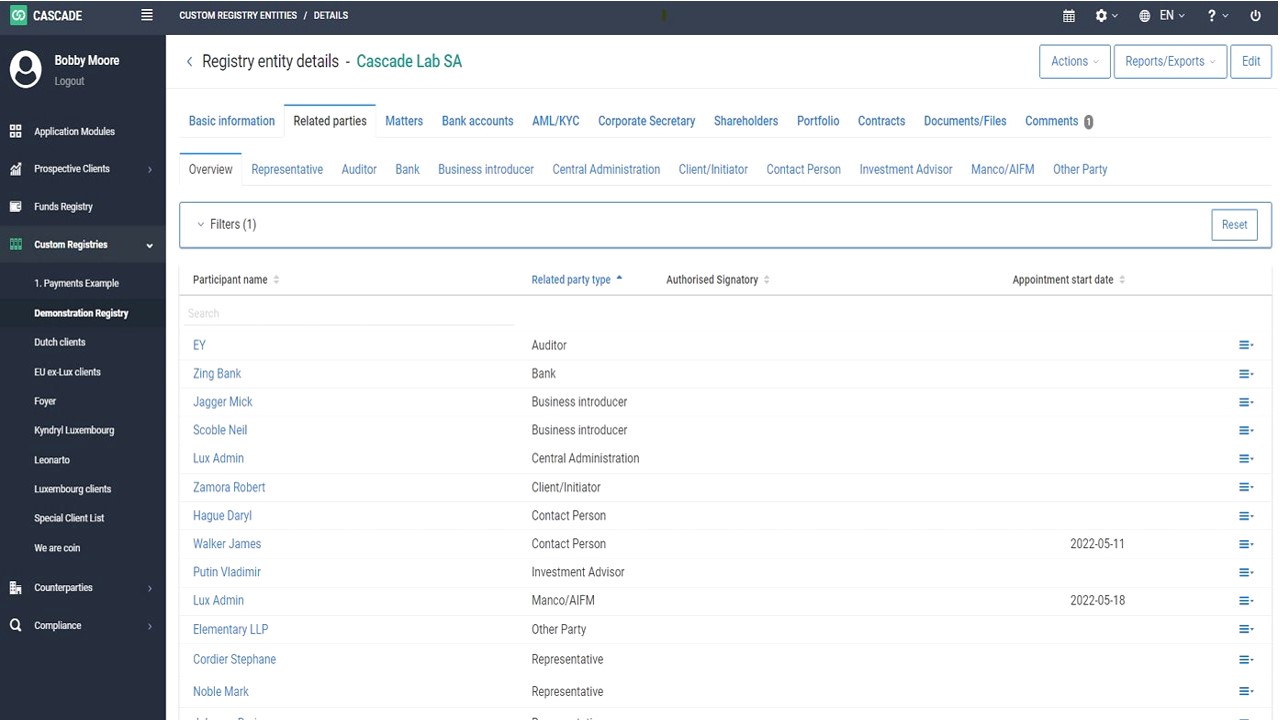
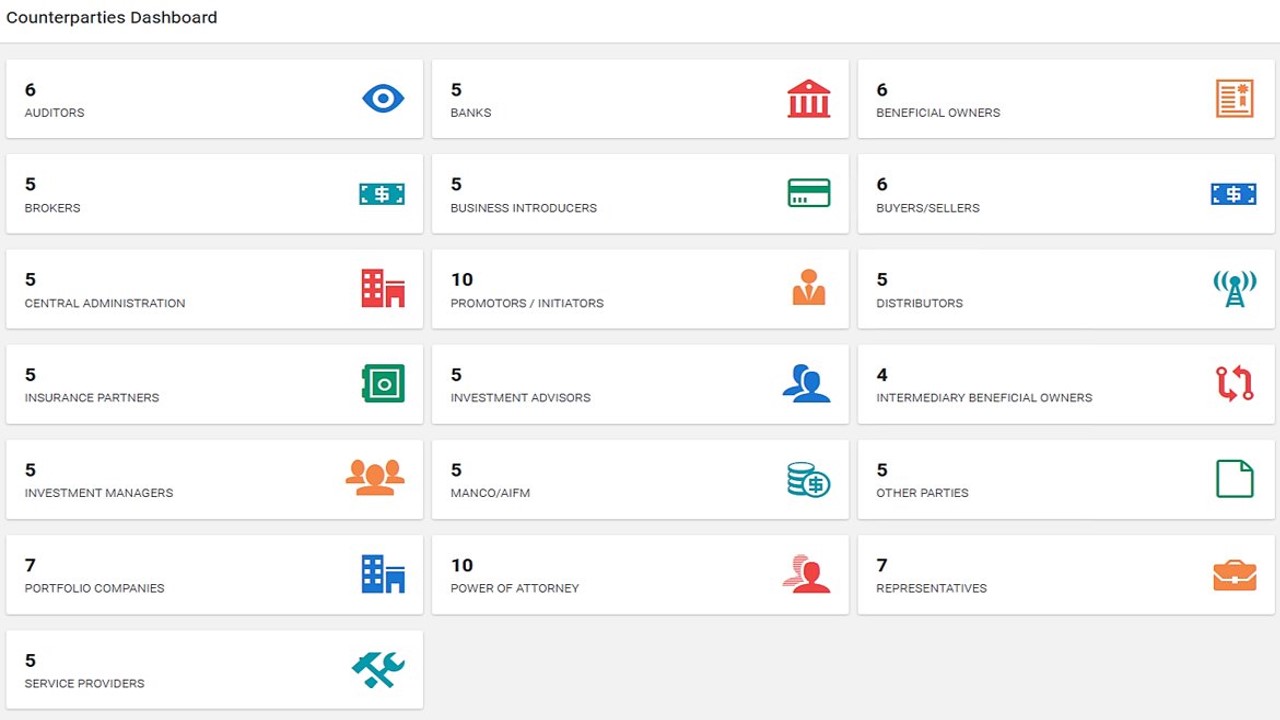
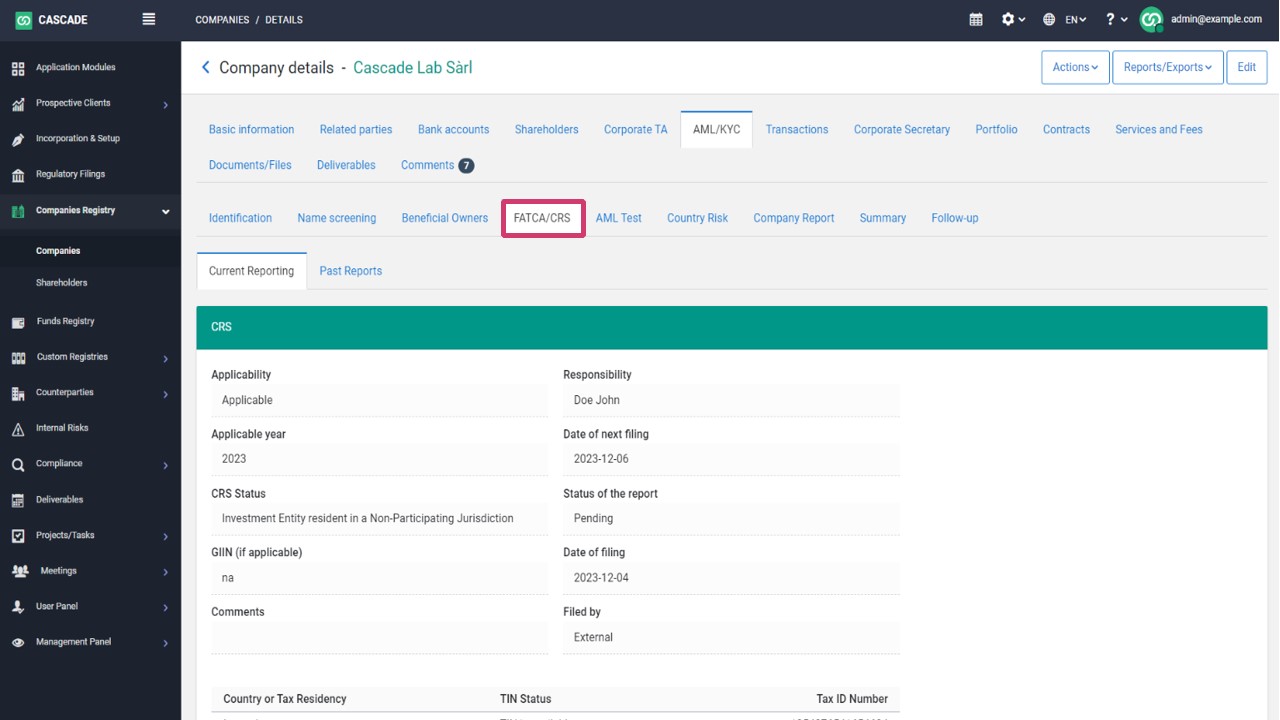
Explore Cascade’s AML Software Capabilities
Organisations reviewing their readiness for the EU AML Package may also want to consider how their existing systems support AML processes in practice.
Cascade’s core product is the AML Software.
Cascade also offers optional add-on modules that require the core AML Software platform:
- Automated Treatment of Name Screening Alerts
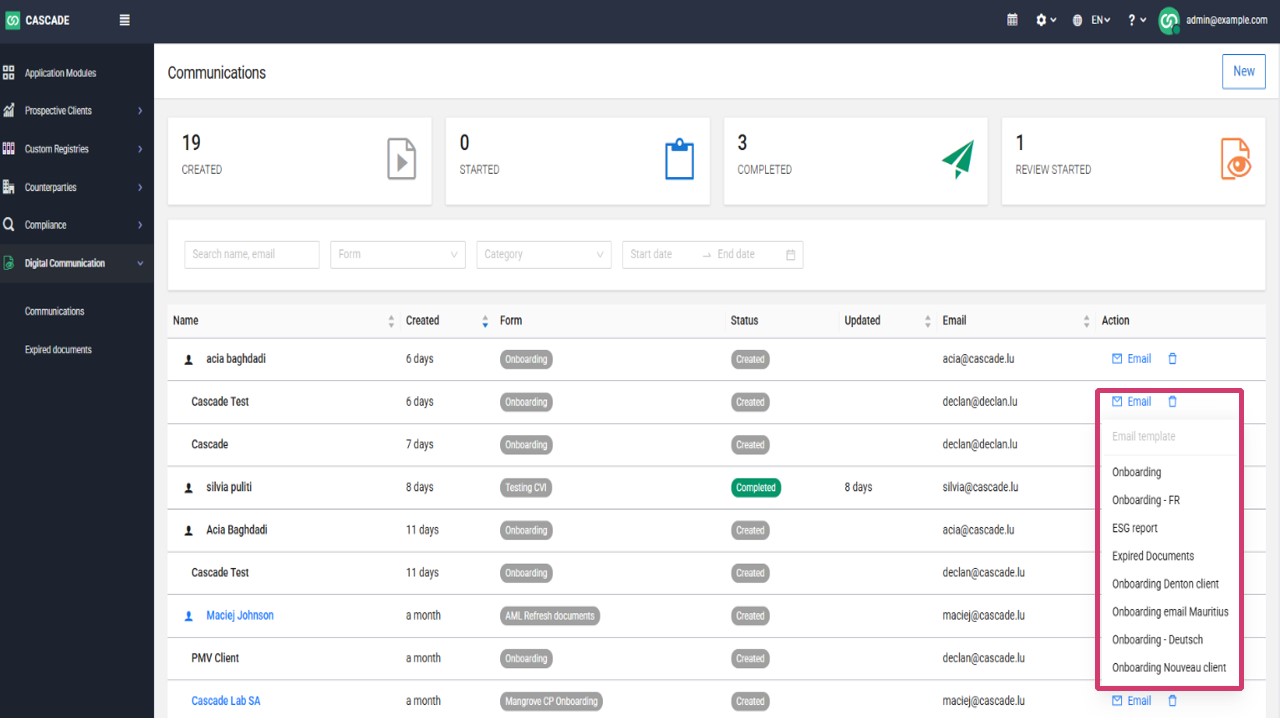
- Digital Communication Bridge for Client Onboarding
- BI Module for AML Reporting and Analytics
These modules are add-ons to the core AML Software (SaaS Platform) and are not standalone products.
Related Cascade resources:
- Cascade Resource: AML Software Overview
- Cascade Resource: Name Screening Overview
- Cascade Resource: Client Onboarding
Disclaimer:
This article is for general information only and based on publicly available sources at the time of writing. We’ve done our best to make it accurate and useful, but AML rules and business needs can change. Always double-check key details and speak with a qualified expert before making compliance or vendor decisions.


 English
  English (Australia)
  English (UK)